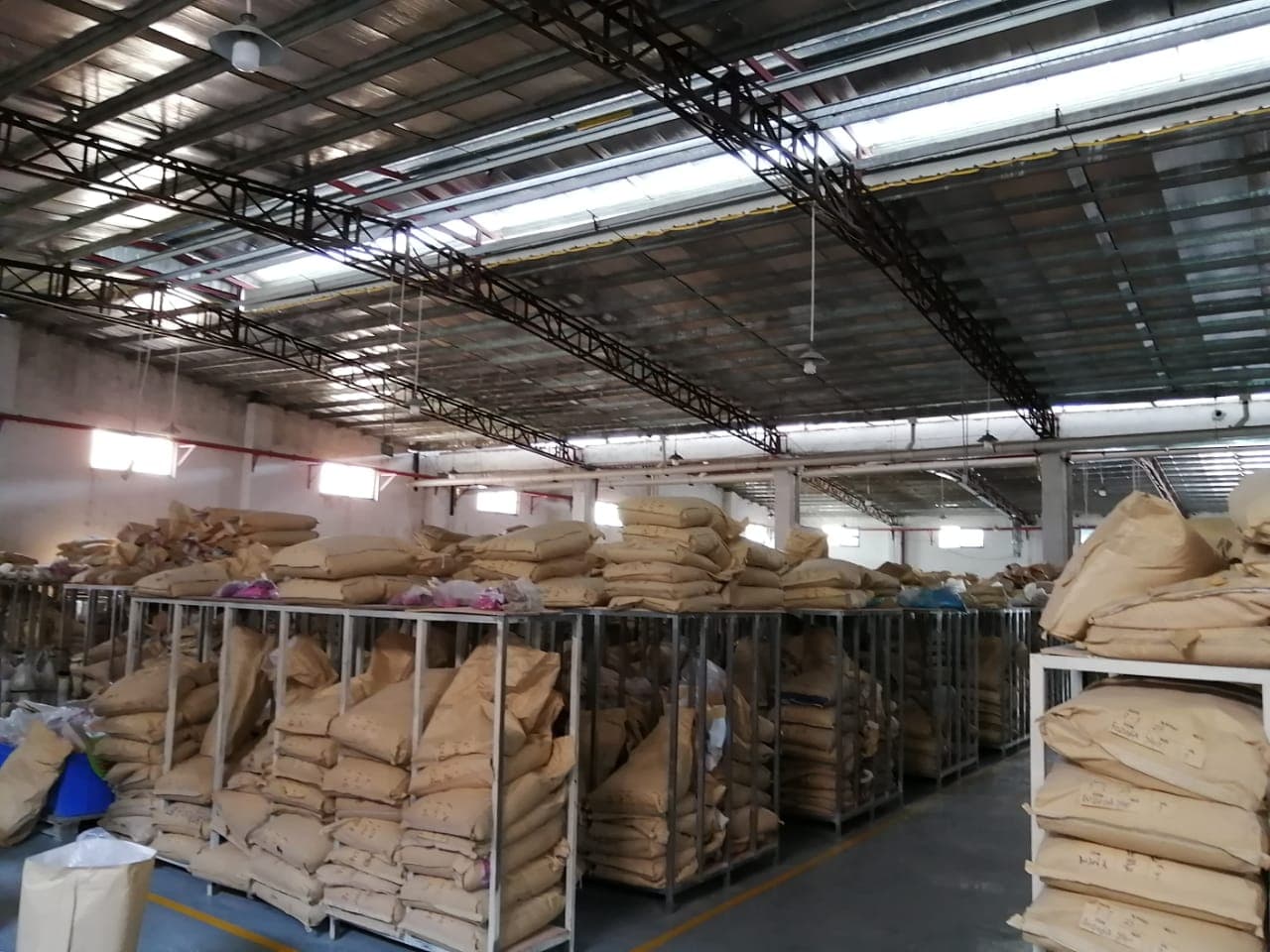
Navigating FDA Considerations in Cosmetic Contract Manufacturing for US Brands
For US-based cosmetic brands, partnering with a contract manufacturer requires meticulous attention to regulatory frameworks, particularly those outlined by the U.S. Food and Drug Administration (FDA). As the Lead Technical Director at MLM Cosmetic, we understand the critical importance of a robust technical understanding and stringent process controls in supporting brands aiming for the US market. This guide provides an in-depth look at key considerations for engaging a cosmetic contract manufacturer, emphasizing FDA expectations and practical technical aspects.
Understanding FDA Considerations for Cosmetic Manufacturing
The FDA regulates cosmetics under the Federal Food, Drug, and Cosmetic Act (FD&C Act) and the Fair Packaging and Labeling Act (FPLA). It's crucial for US brands to recognize that the FDA does not approve cosmetic products or ingredients (except for color additives, which require pre-market approval). Instead, the onus is on the manufacturer and marketer to ensure product safety and compliance with all applicable regulations.
Key Regulatory Frameworks
US brands must ensure their chosen contract manufacturer operates with a comprehensive understanding of and adherence to FDA expectations for cosmetic manufacturing.
- 21 CFR Part 700-740 (Cosmetics): This section of the Code of Federal Regulations outlines general provisions, voluntary registration, labeling requirements, and color additive regulations for cosmetics. A contract manufacturer should be familiar with these requirements to assist brands in product formulation, labeling, and ingredient selection.
- Good Manufacturing Practices (GMP) Expectations: While the FDA has not issued specific GMP regulations for cosmetics, it does expect cosmetic products to be manufactured under conditions that will not render them adulterated. This implies adherence to industry best practices and quality management systems often outlined by ISO 22716, which provides guidelines for the production, control, storage, and shipment of cosmetic products. A robust contract manufacturer typically implements systems analogous to these principles.
- Voluntary Cosmetic Registration Program (VCRP): The FDA offers the VCRP for cosmetic manufacturers, packers, and distributors to register their establishments and list their cosmetic products. While voluntary, participation can demonstrate a manufacturer's proactive approach to regulatory awareness.
Ingredient Sourcing and Documentation
One of the most critical aspects for FDA compliance is rigorous control over raw materials. A contract manufacturer should have established procedures for ingredient qualification and documentation.
- INCI Nomenclature: All ingredients must be identified by their International Nomenclature of Cosmetic Ingredients (INCI) names on product labeling, as recognized by the Personal Care Products Council (PCPC).
- Material Safety Data: Comprehensive technical data sheets (TDS) and safety data sheets (SDS) for all raw materials are essential. These documents provide critical information on chemical composition, physical properties, handling instructions, and safety precautions.
- Supplier Qualification: A robust contract manufacturer implements a stringent supplier qualification program, including audits and documentation review, to help ensure raw material quality and consistency.
Material Composition and Technical Specifications (General Principles for Contract Manufacturing)
When collaborating with a cosmetic contract manufacturer, a clear understanding of the technical specifications of materials, especially effect pigments and glitters, is paramount. This section outlines general considerations for these components, relevant to ensuring quality and performance in finished cosmetic products.
Pigments and Glitters: Illustrative Technical Considerations
Effect pigments and glitters are complex raw materials, and their selection requires detailed technical evaluation.
- Material Composition: The core composition dictates properties and regulatory suitability. Common examples include:
- Inorganic Pigments: Often based on synthetic fluorphlogopite, borosilicate glass, or bismuth oxychloride, coated with metal oxides like titanium dioxide and iron oxides. Each component should have a clearly defined INCI name (e.g., Synthetic Fluorphlogopite, Titanium Dioxide, Iron Oxides).
- Glitter Substrates: Typically composed of polyethylene terephthalate (PET) film for conventional glitter, or various cellulose derivatives, starch, or poly(lactic acid) (PLA) for some alternative glitters. The specific material choice influences texture, stability, and regional market acceptance. For example, some regions restrict or prohibit the use of PET glitter in specific applications.
- Particle Sizes: Particle size distribution significantly impacts optical effect, texture, and regulatory acceptance for different cosmetic applications. Ranges commonly encountered:
- Fine Pigments: <15µm for a soft, satiny luster.
- Medium Pigments: 15-60µm for pearlescent effects with moderate sparkle.
- Coarse Pigments/Fine Glitters: 60-200µm for visible shimmer and sparkle.
- Glitter: Often ranges from 100µm to several millimeters for pronounced decorative effects. The maximum acceptable particle size for specific applications (e.g., eye area) can be dictated by regulatory guidance in various markets.
- Temperature/Solvent Stability: These parameters are critical for formulation and product integrity.
- Temperature Stability: Effect pigments and glitters typically exhibit high thermal stability, often withstanding temperatures up to 200°C or higher without degradation, essential for hot-pour or high-temperature processing. The specific pigment coatings (e.g., iron oxides) can influence the upper temperature limit.
- Solvent Stability: Compatibility with common cosmetic solvents (e.g., esters, silicones, glycols, alcohols) is vital. Materials should remain dispersed and retain their optical properties without dissolving, bleeding, or agglomerating over time.
- Cosmetic Formulating Guidance: Integrating these materials requires specific formulation expertise.
- Dispersion: Proper dispersion is key to avoiding agglomeration and achieving uniform color and effect. This often involves high-shear mixing for pigments and gentle mixing for glitters to prevent breakage.
- Loading Levels: Typical usage levels vary widely based on desired intensity, from 0.1% for a subtle sheen to 20% or more for intense glitter effects. Overloading can lead to formulation instability or undesirable texture.
- Compatibility: Ensure compatibility with other formulation ingredients, especially binders, emulsifiers, and rheology modifiers, to maintain product stability and shelf life.
International Regulatory and Procurement Considerations
While this guide focuses on US FDA considerations, many brands pursue global market entry, necessitating a broader regulatory perspective and robust procurement strategies.
Beyond FDA - Global Market Access
Contract manufacturers with international experience can be invaluable in navigating complex global regulations.
- EU Cosmetic Regulation 1223/2009: The European Union has distinct requirements, including safety assessments, CPNP notification, and restrictions on certain ingredients and particle sizes (e.g., microplastics).
- China NMPA: Cosmetic product registration in China involves a comprehensive dossier, often including animal testing requirements for certain categories (though recent changes have broadened pathways for non-animal tested products) and specific ingredient approvals.
- ASEAN Cosmetic Directive: This framework harmonizes cosmetic regulations across Southeast Asian nations, requiring product notification and adherence to ingredient lists.
Understanding these varying requirements upfront is critical for product development and market launch.
Procurement Due Diligence
Effective procurement goes beyond cost to encompass risk management and quality assurance.
- Supplier Qualification Audits: Brands should inquire about the contract manufacturer's raw material supplier qualification process, including on-site audits and quality system reviews.
- Documentation Chain of Custody: Verification of Certificates of Analysis (CoA) and technical data sheets (TDS) for every incoming raw material batch is essential. These documents should trace back to the original manufacturer and confirm compliance with agreed-upon specifications.
- Ethical Sourcing: Considerations for ethical sourcing, such as conflict-free minerals or sustainable practices for natural ingredients, are increasingly important to consumers and regulatory bodies.
Practical Checklist for Buyer Evaluation
Selecting a cosmetic contract manufacturer and evaluating their output requires a systematic approach. This checklist outlines key steps for US brands.
Sample Evaluation Checklist
Prior to bulk production, thorough sample evaluation is critical.
- Visual Inspection: Assess color, texture, and uniformity of the sample. Compare against approved control standards.
- Application Tests: Evaluate application characteristics (e.g., spreadability, adhesion, blendability) on various skin types or substrates. Test performance under different lighting conditions.
- Sensory Evaluation: Assess feel, scent, and overall user experience. Note any irritation or discomfort.
- Stability in Client's Formula (if applicable): If providing raw materials for the manufacturer to incorporate into your specific base, conduct stability tests on small batches over time and under varying temperature conditions (e.g., room temperature, 40°C, freeze-thaw cycles) to observe any changes in appearance, viscosity, or separation.
- Packaging Compatibility: Test the product in its intended primary packaging to identify potential issues like leaching, degradation, or dispensing problems.
Batch Testing Verification
Before accepting large batches, a structured verification process helps ensure consistency and quality.
- Certificate of Analysis (CoA) Review: Meticulously review the CoA provided by the contract manufacturer for each batch. Verify that all specifications (e.g., pH, viscosity, specific gravity, microbial count, heavy metals, color, particle size for pigments) meet the agreed-upon criteria.
- Retain Sample Management: Request and archive retain samples from each manufactured batch. These samples serve as a reference for future inquiries or issues.
- Third-Party Testing (Optional but Recommended): Consider independent third-party testing for critical parameters (e.g., microbial purity, heavy metals, specific ingredient assays) as an additional layer of quality assurance.
Documentation Verification
Comprehensive documentation is the backbone of regulatory compliance.
- Formula & Ingredient List: Verify the final production formula matches the approved formula, including INCI names for all ingredients.
- Manufacturing Records: Review batch production records, including raw material traceability, processing parameters, and in-process quality control checks.
- Raw Material Documentation: Ensure the contract manufacturer has readily available CoAs, TDS, and SDS for all raw materials used in your product, and that these documents meet your specified requirements.
- Regulatory Dossiers (for finished product registration): For international markets, verify that the contract manufacturer can provide the necessary documentation to support product information files (PIF) or other regulatory dossiers.
- Stability Test Data: Request and review stability test data conducted on the finished product by the contract manufacturer (e.g., accelerated stability, real-time stability) to support the declared shelf life and period after opening (PAO).
Partner with Expertise for Your US Market Success
Partnering with an experienced contract manufacturer requires meticulous attention to detail and a thorough understanding of regulatory expectations. For US brands, a contract manufacturer's proficiency in FDA-related considerations is non-negotiable. Our technical team is available to discuss your project specifications and provide relevant technical documentation to support your formulation and regulatory efforts.
Request Technical Documentation or Laboratory Samples to begin your collaboration.
Need Custom Formulation Support?
Share your particle-size target, formulation, test conditions, intended use and destination market so technical sales can define the next qualification step.