
Loading...
⚡ 1kg Low MOQ · Factory Direct Glitter & Mica⚡ Source Factory Direct Wholesale · Custom Loose Glitter & Mica Pigments · 1kg Low Trial MOQ · 48h Free 50g Lab Samples
mlmcustom@mlmcosmetic.com⚡ 1kg Low MOQ · Factory Direct Glitter & Mica⚡ Source Factory Direct Wholesale · Custom Loose Glitter & Mica Pigments · 1kg Low Trial MOQ · 48h Free 50g Lab Samples
mlmcustom@mlmcosmetic.comLoading...
Technical whitepaper on EU REACH compliant cosmetic glitter: BOPET film architecture, ICP-MS heavy metal limits, solvent bleed testing, and benchtop qualification protocols.
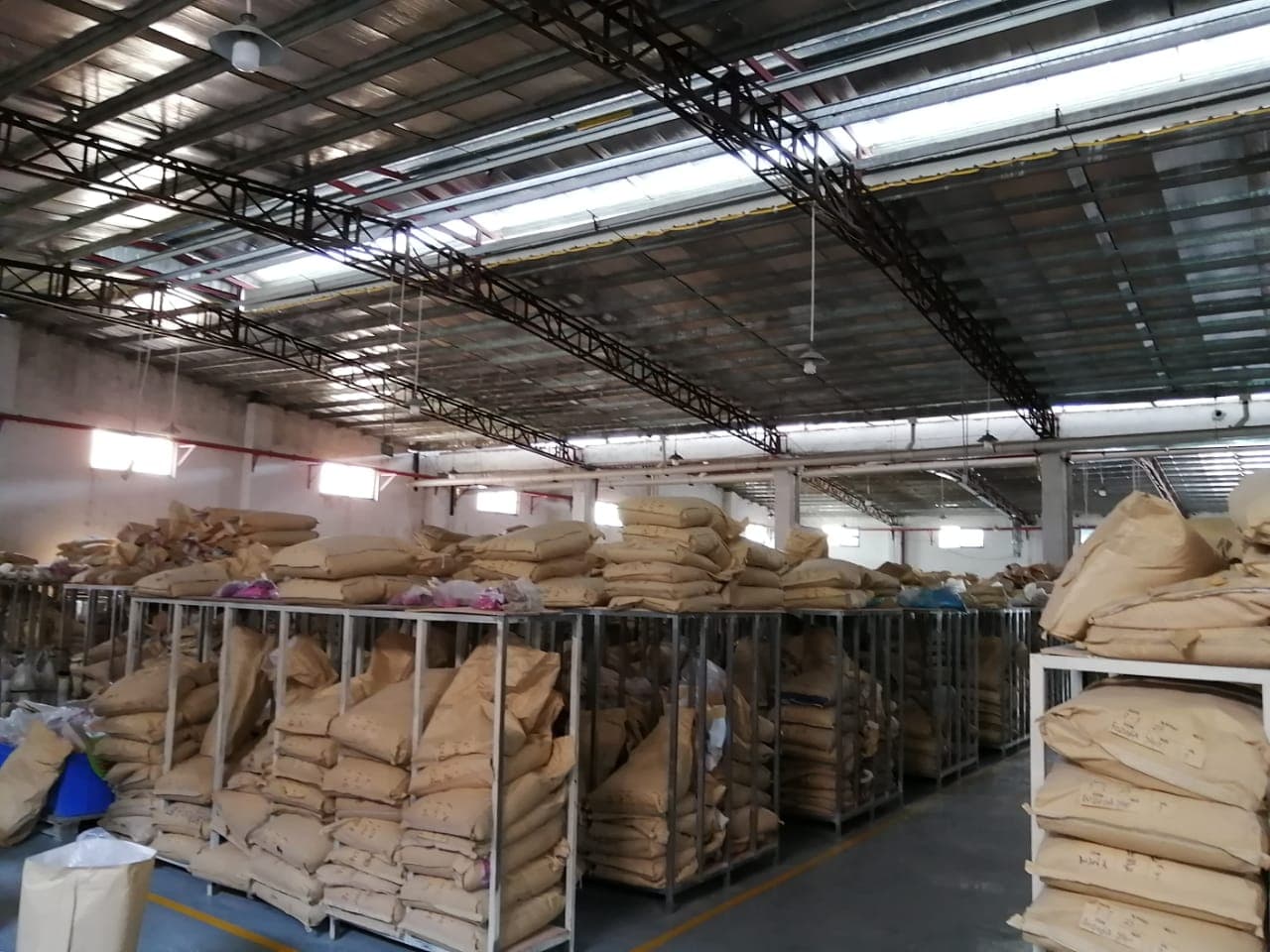
If you're a formulation chemist or procurement director sourcing cosmetic-grade glitter for EU-bound products in 2024–2025, you're caught between two hard constraints that most supplier datasheets don't address honestly.
First: EU Regulation (EC) No 1907/2006 REACH, specifically Annex XVII Entry 78 — the microplastic restriction that went into force October 2023. Conventional PET glitter (polyethylene terephthalate, biaxially-oriented film) is classified as an intentionally added microplastic when particle dimensions fall between 1 nm and 5 mm. The transition periods are staggered. Rinse-off cosmetics lost their PET glitter allowance immediately. Leave-on products have until October 2029, with mandatory concentration reporting starting October 2025. If your brand is selling into the EU, you need a substrate strategy now — not a vague promise from a supplier who says their glitter is "eco-friendly."
Second: the replacement substrates — regenerated cellulose, synthetic fluorphlogopite (synthetic mica), and modified BOPET films engineered to meet biodegradation thresholds — each introduce formulation failure modes that PET never had. Dye migration in nail lacquer solvents. Thermal curl above 150°C during hot-pour lip gloss manufacturing. Electrostatic clumping in powder hopper feeds. Haze drift in clear gel matrices.
This whitepaper addresses those failure modes with hard data from our production floor and QC lab in Shenzhen. We supply raw material glitter — the substrate, the coating, the cut particle — not finished cosmetics. Finished formulation safety assessment remains the responsibility of the brand owner's Qualified Person (EU) or Responsible Person. We provide the CoA, ICP-MS panels, FTIR spectra, and technical documentation your safety assessor needs to do their job.
Our primary EU-compliant substrate is regenerated cellulose film (CAS 9005-81-6), sourced from FSC-certified eucalyptus pulp, cast via the viscose process into a continuous web at 20–25 µm nominal thickness. The film is coated with a crosslinked acrylic binder system carrying cosmetic-grade colorants (typically CI 77891 TiO₂ for opacity, CI 77491/77492/77499 iron oxides, or CI 15850 D&C Red 7 calcium lake for chromatic shades), then vacuum-metallized with aluminium at 40–60 nm optical density for reflective variants.
Critical property: regenerated cellulose is hydrophilic. It absorbs moisture. If you store it in a warehouse at 80% RH for three weeks, the film plasticizes, individual particles stick together, and your hopper feed jams. This is not a defect — it's the physics of the substrate. We ship 1 kg pilot-trial quantities in vacuum-sealed aluminium foil barrier bags (moisture vapour transmission rate < 0.5 g/m²/day per ASTM F1249) and 25 kg production quantities in UN-rated fibre drums with PE liner bags and desiccant sachets (10 g molecular sieve per drum). Once you open the bag, use it within 72 hours or reseal under nitrogen.
Biodegradation certification: we hold test reports per ISO 14855-1 (composting conditions, 58°C, >90% biodegradation at 180 days) and can supply reports per EN 13432 on request. These reports apply to the substrate film. If your finished formula embeds the glitter in a non-biodegradable polymer matrix, the biodegradation claim applies to the raw material only — not your finished product. Your regulatory team needs to understand this distinction.
For formulators who need zero-plastic, zero-biodegradation-debate glitter, synthetic fluorphlogopite (KMg₃AlSi₃O₁₀F₂) is the substrate. It's an inorganic crystalline platelet, furnace-grown, with no microplastic classification concerns whatsoever. We produce it in particle sizes from 50 µm to 3000 µm, coated with TiO₂ or Fe₂O₃ layers for interference colour effects.
Thermal stability is exceptional — synthetic mica is stable above 800°C. Solvent resistance is essentially universal. The trade-off is optical: synthetic mica gives a pearlescent or metallic lustre, not the sharp-edged foil-mirror flash that PET or metallized cellulose delivers. If your brief calls for "chunky holographic festival glitter," synthetic mica won't get you there. If your brief calls for a sophisticated pearlescent shimmer in a pressed powder or baked highlighter, it's the strongest substrate in the portfolio.
We still manufacture conventional BOPET-based glitter for markets where microplastic restrictions do not apply (US, most of APAC, Middle East). The film is biaxially-oriented PET, 12–23 µm gauge, with crystallinity typically 35–42% (measured by DSC, 10°C/min ramp rate). Higher crystallinity means better solvent resistance but more brittle fracture at the rotary slitting stage — you get more sub-specification fines and irregular edge geometry. We target 38 ± 2% crystallinity as the process sweet spot.
Rotary slitting knife condition matters enormously for particle edge quality. We re-grind tungsten carbide slitting knives every 80 production hours. A dull knife doesn't cut the film cleanly — it tears it, leaving micro-burrs on particle edges that act as nucleation points for dye migration in solvent-rich systems. If you've ever seen colour bleed from a glitter particle into a clear nail lacquer base within 48 hours of dispersion, the root cause is almost always edge damage from worn knives, not a coating failure. We photograph knife edges under 200× magnification at each change interval and log the images against batch numbers.
For EU leave-on applications still within the transition window (until October 2029): PET glitter remains technically legal but requires concentration reporting to ECHA starting October 2025. We can supply the necessary polymer identification data (FTIR spectrum, DSC thermogram, density measurement) your Responsible Person needs for the reporting obligation. But our strong recommendation is to begin qualification of cellulose or synthetic mica alternatives now, not in 2028.
Here's where most supplier datasheets fail you. They'll say "heat resistant" without specifying the test method, duration, or failure criterion. Below is what we actually measure.
| Substrate | Test Method | Onset of Visual Distortion | Onset of Film Curl / Delamination | Max Recommended Process Temp |
|---|---|---|---|---|
| Regenerated Cellulose (metallized) | Hot-stage microscopy, 5°C/min ramp | 145°C — slight yellowing of cellulose | 162°C — edge curl, Al layer crazing | 140°C for 30 min max |
| Regenerated Cellulose (non-metallized, dyed) | Hot-stage microscopy, 5°C/min ramp | 138°C — dye shade shift (∆E > 2.0) | 155°C — film embrittlement | 130°C for 30 min max |
| Synthetic Fluorphlogopite (coated) | TGA, 10°C/min, air atmosphere | No change to 600°C | N/A — inorganic | No practical limit in cosmetic processing |
| BOPET (metallized) | Hot-stage microscopy, 5°C/min ramp | 180°C — slight haze increase | 210°C — film shrinkage >2% | 170°C for 30 min max |
What this means practically: if you're making a hot-pour lip gloss and your wax phase is hitting 90–95°C, cellulose glitter is fine. If you're making a candle-adjacent wax melt product and your pour temp is 160°C+, cellulose will degrade. Use synthetic mica.
| Substrate | Butyl Acetate (nail lacquer) 72h immersion, 25°C | Ethyl Acetate 72h immersion, 25°C | Isopropyl Myristate 72h immersion, 25°C | Water / Propylene Glycol (70:30) 72h immersion, 25°C |
|---|---|---|---|---|
| Regenerated Cellulose (metallized) | Moderate dye migration risk — test each batch. ∆E of surrounding solvent measured by spectrophotometer; reject if ∆E > 1.5 | Higher migration risk than BA. Cellulose swells 8–12% by mass. | Stable. No measurable migration. | Stable if exposure < 72h. Extended immersion causes film softening. |
| Synthetic Fluorphlogopite (coated) | Fully stable. No migration. | Fully stable. | Fully stable. | Fully stable. |
| BOPET (metallized) | Stable with fresh-cut edges. Burr-damaged edges show migration onset at 24–36h. | Similar to BA but faster onset with damaged edges. | Fully stable. | Fully stable. |
The cellulose-in-nail-lacquer problem is real and it's the number one technical complaint we hear from brands switching from PET to bio-based substrates. The crosslinked acrylic overcoat on our cellulose glitter provides a barrier, but butyl acetate is an aggressive solvent. Our current-generation coating (v3.2, reformulated Q1 2024) passes 72-hour immersion at 25°C with ∆E < 1.0 for 85% of our colour range. Certain red lakes (CI 15850) and fluorescent dyes remain problematic — we will tell you this upfront during sampling rather than letting you discover it during stability testing.
Every production batch is sampled (composite sample from three positions in the blending drum — top, middle, bottom) and tested on our Agilent 7800 ICP-MS with microwave-assisted acid digestion (HNO₃/H₂O₂, EPA 3052 modified). Release limits on our Certificate of Analysis:
These limits align with EU Cosmetics Regulation 1223/2009 impurity guidance, Health Canada's Cosmetic Ingredient Hotlist thresholds, and US FDA recommended limits for colour additives. We report actual measured values, not just "pass/fail." If your toxicologist needs the raw calibration curve data, we can supply it.
Every batch of cellulose glitter is scanned on an ATR-FTIR (Shimadzu IRSpirit, diamond crystal, 4 cm⁻¹ resolution, 32 scans averaged) and the spectrum is compared against our reference library. We're checking three things:
We supply the FTIR spectrum as a PDF overlay (sample vs. reference) with every CoA on request.
Haze measurement per ASTM D1003 on a BYK haze-gard i: we cast a monolayer of glitter onto an optically clear adhesive film and measure transmitted haze. This catches coating defects, metallization voids, and surface contamination that visual inspection misses. Specification: haze < 15% for transparent-dyed grades, < 8% for metallized grades.
Particle size distribution: laser diffraction (Malvern Mastersizer 3000, wet dispersion in IPA) with D10, D50, D90 reported. We hold D50 within ± 8% of nominal cut size.
Before you commit to a 25 kg drum order, run these three tests on the 1 kg sample we send you. They take about a week and will catch 90% of compatibility problems before you scale.
Disperse glitter at your target loading (typically 0.5–3.0 wt%) into your base formula. Subject a 50 g sample to your worst-case process temperature for your worst-case hold time (e.g., 95°C for 45 minutes for a hot-pour lip product). Photograph under standardised lighting (D65, 45°/0° geometry) before and after. Measure colour shift with a spectrophotometer. Pass criterion: ∆E*ab < 2.0, no visible curl or fragmentation under 10× loupe.
For nail lacquer or any solvent-borne system: disperse glitter at 1.0 wt% in your solvent blend (neat butyl acetate is the harshest realistic test). Seal in a glass vial, store at 25°C for 72 hours. Decant the solvent through a 20 µm sieve, then measure the solvent's absorbance at the glitter dye's λmax using a UV-Vis spectrophotometer. Compare against a blank solvent reference. Pass criterion: absorbance increase < 0.05 AU at a 1 cm path length. Also visually inspect the retained glitter particles — edge erosion or coating peeling is a fail regardless of absorbance reading.
For aqueous systems: same protocol but use your finished emulsion or gel base as the medium. Also check Brookfield RVT viscosity (spindle #4, 20 rpm, 25°C) of the base before and after glitter addition. Viscosity change > 5% suggests the glitter is absorbing water and swelling, which will worsen over shelf life.
Place finished formula samples with glitter at your target load into accelerated stability: 45°C / 75% RH for 4 weeks minimum (8 weeks preferred). Pull samples at week 1, 2, 4, 8. Evaluate: colour shift (∆E), viscosity drift, phase separation, glitter sedimentation rate (mark meniscus and settled layer height at each pull), and odour (off-gassing from degrading cellulose smells faintly of acetic acid — if you detect it, the overcoat has failed).
We're happy to review your stability data and troubleshoot failures. That's part of the technical support we provide as a raw material supplier. But the formal stability study and safety assessment for your finished product is your responsibility — we can't sign off on your formula, only on our material.
| Product Type | Recommended Substrate | Max Process Temp | Key Risk | Mitigation |
|---|---|---|---|---|
| Nail Lacquer (solvent-borne) | BOPET (non-EU) or Synthetic Mica (EU) | 35°C (ambient mixing) | Dye migration from cellulose in BA/EA solvent | Avoid cellulose in nail. Use synthetic mica for EU-compliant sparkle. |
| Hot-Pour Lip Gloss | Regenerated Cellulose (metallized) | 90–95°C | Dye shade shift if overheated | Hold pour temp below 95°C. Add glitter at cooldown phase (< 80°C preferred). |
| Pressed Powder / Eyeshadow | Synthetic Mica or Regenerated Cellulose | 25°C (press temp) | Electrostatic clumping in hopper | Ground your hopper. Add 0.2% fumed silica to glitter pre-blend. Humidity > 40% RH in press room helps. |
| Water-Based Gel / Body Shimmer | Regenerated Cellulose | 25–70°C | Cellulose swelling over 12+ months | Target < 2.0 wt% loading. Use preservative system effective at lower water activity. Run 8-week 45°C stability. |
| Bath Bomb / Rinse-Off | Regenerated Cellulose (mandatory for EU post Oct 2023) | 25°C | Moisture absorption during storage pre-use | Keep glitter addition as final manufacturing step. Shrink-wrap finished bath bombs within 24h. |
| Candle / Wax Melt (cosmetic-adjacent) | Synthetic Mica only | 160–180°C+ | Cellulose and BOPET both degrade | No film-based glitter survives sustained wax pour temps. Synthetic mica is the only viable option. |
MLM Cosmetic is a raw material manufacturer. Here is exactly what we provide and what we do not:
We provide:
We do not provide (and cannot legally provide):
This distinction matters. We've seen brands get into trouble by assuming a supplier's raw material CoA substitutes for a finished product safety assessment. It doesn't. Work with your toxicologist. We'll give them everything they need from the raw material side.
1 kg Pilot Trial Pack: Vacuum-sealed aluminium foil barrier bag, shipped via DHL/FedEx express (typically 5–7 business days to EU/US). Minimum order: 1 kg per SKU. We carry 40+ standard colours in each substrate type. Request samples through mlmcosmetic.com/products/category/biodegradable-glitter or contact our technical sales team directly.
25 kg Production Drums: UN-rated fibre drum, PE liner, desiccant pack. Lead time: 15–20 working days from order confirmation for standard colours. Custom colours (Pantone matching, custom particle size cuts): 25–30 working days, 50 kg minimum.
Documentation included with every shipment: CoA, SDS, TDS. FTIR spectrum and ICP-MS raw data available on request at no additional charge.
What we need from you to recommend the right substrate: Your target product type, process temperatures, solvent system, target shelf life, and destination market (EU, US, both, other). Without this information, we're guessing — and guessing is how you end up with cellulose glitter in a nail lacquer and a failed stability test at week 3.
Technical contact: MLM Cosmetic Formulation Support, Shenzhen, China — mlmcosmetic.com
This document reflects manufacturing specifications and regulatory understanding as of Q2 2025. EU REACH Annex XVII Entry 78 transition timelines are subject to amendment. Verify current regulatory status with your legal counsel or Responsible Person before market placement.
Disclaimer: Technical data and regulatory references provided herein (including EU Regulation 2023/2055, EU Regulation 1223/2009, and US FDA MoCRA) are based on current legislative texts and laboratory test parameters for raw materials manufactured by MLM Cosmetic. This documentation is intended solely to support independent brand formulators and Responsible Persons in compiling their Cosmetic Product Safety Reports (CPSR) and product filings. Final formulation compliance, toxicological risk assessment, and finished product registration remain the responsibility of the brand owner.
Looking for custom formulation or laboratory testing samples? Contact our MLM Cosmetic technical engineering team or request a free sample kit directly.
Target Formulation Material:
EU REACH Compliant Cosmetic Glitter: Substrate & QC Engineering
Includes 50g sealed lab pouch, lot-specific COA, Technical Data Sheet (TDS), and ISO 22716 regulatory package.
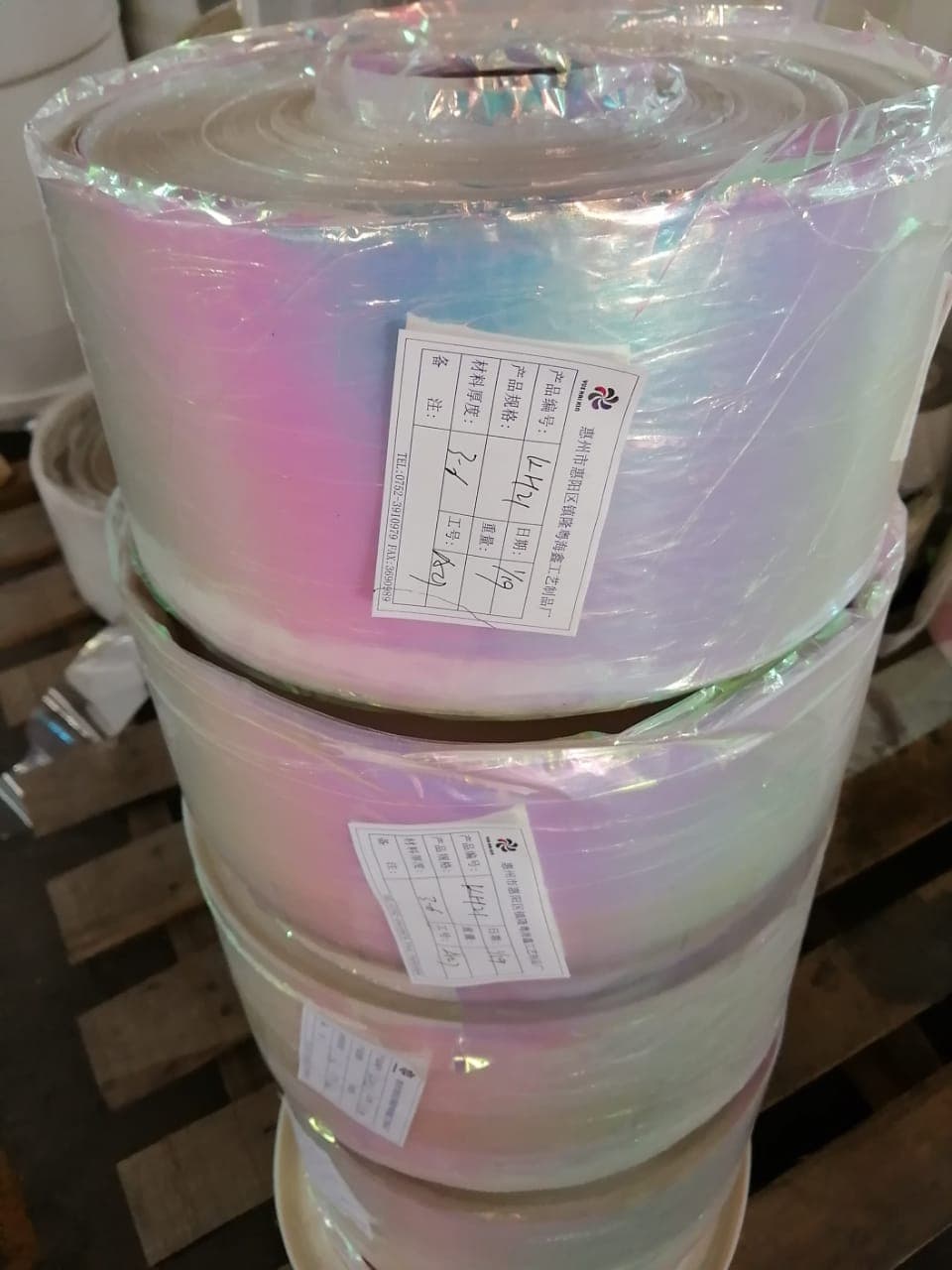
Whether formulating eyeshadow palettes, lip glosses, nail polishes, or compounding industrial epoxy resin, start with our 1kg low trial MOQ or complimentary 50g qualification sample with complete TDS and batch COA.