
Loading...
B2B effect pigments · Quote by SKUB2B glitter & effect pigments · Specifications, MOQ and timing confirmed by quotation
mlmcustom@mlmcosmetic.comB2B effect pigments · Quote by SKUB2B glitter & effect pigments · Specifications, MOQ and timing confirmed by quotation
mlmcustom@mlmcosmetic.comLoading...
Technical B2B guide for formulating glow in the dark pigment powder bulk. Analyze specs, solvent resistance, MoCRA compliance, and heavy metal limits.
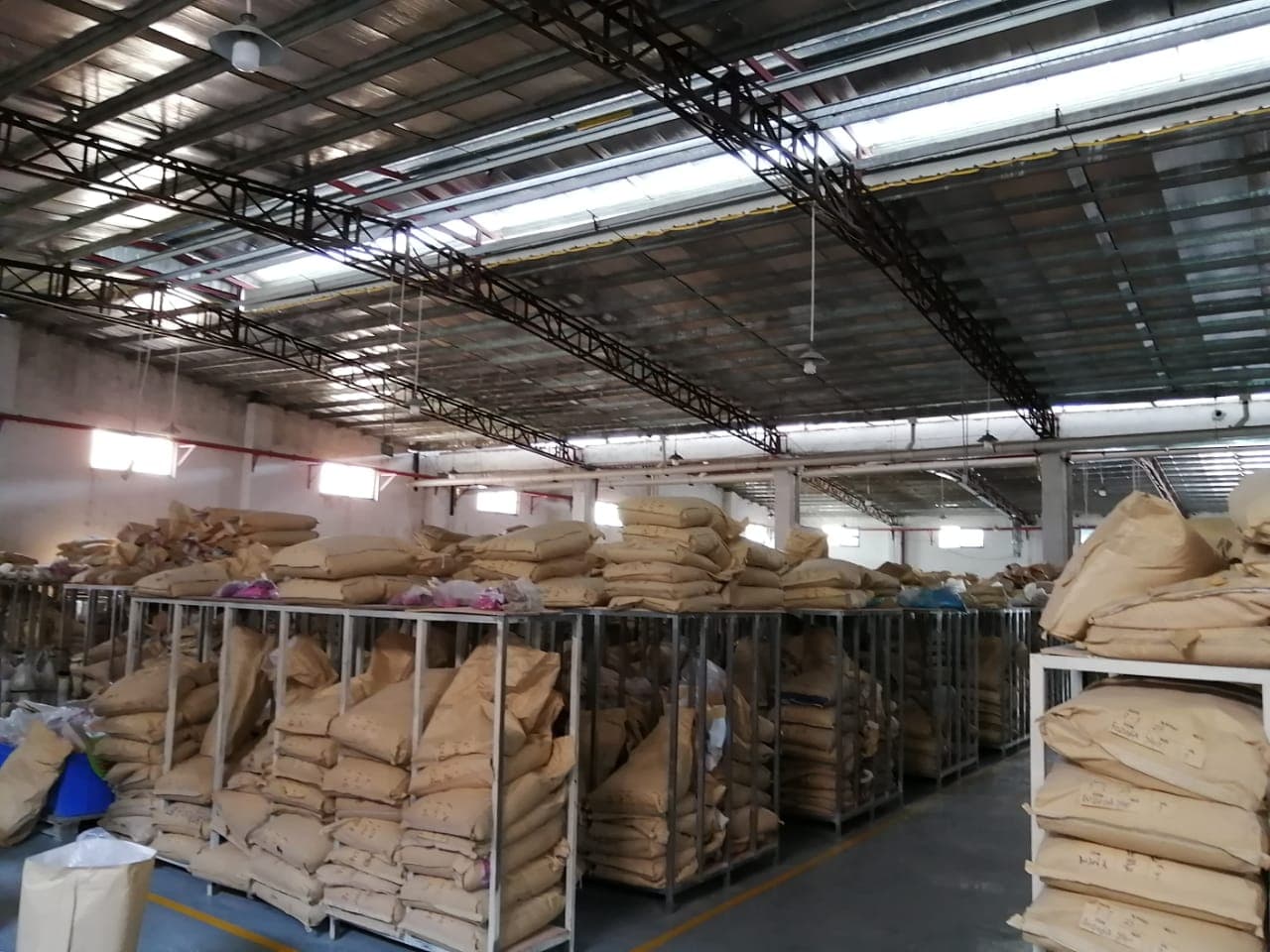
For premium cosmetic brands, contract manufacturers, and formulation chemists, sourcing high-performance, compliant photoluminescent and phosphorescent materials is critical to maintaining product integrity. Utilizing high-grade Cosmetic Grade Biodegradable Glitter and advanced luminescent powders requires a deep understanding of physical chemistry, rheology, and global regulatory frameworks.
When securing a reliable supply of glow in the dark pigment powder bulk B2B channels, procurement managers and technical directors must look beyond visual luminosity. Formulating stable, non-settling, and non-bleeding cosmetic products—ranging from anhydrous nail lacquers to aqueous emulsions—demands strict adherence to exact material specifications and international cosmetic safety laws.
Many standard glow-in-the-dark pigments and luminescent glitters sourced from non-cosmetic industrial suppliers fail in cosmetic applications due to three critical engineering oversights:
Standard phosphorescent pigments (typically based on copper-activated zinc sulfide or europium-doped strontium aluminate) possess high specific gravity (approx. 3.6 to 4.1 g/cm³). In low-viscosity formulations, these heavy particles rapidly settle, forming an irreversible hard cake at the bottom of the packaging. Eliminating this requires precise particle size selection combined with a rheological modifier network that establishes a high yield value.
In solvent-heavy systems like butyl acetate and ethyl acetate-based nail polishes, standard plastic-coated pigments experience polymer swelling, causing pigment bleeding, loss of structural shape, and destruction of the photoluminescent matrix. To prevent this, pigments must feature specialized chemical encapsulation or utilize highly cross-linked carrier substrates.
With the European Chemicals Agency (ECHA) enforcing strict Annex XVII restrictions on synthetic polymer microparticles (microplastics), traditional polyester (PET) based luminescent glitters face commercial bans across the EU. Formulators must transition to regulatory-compliant carriers like regenerated cellulose or synthetic mica to maintain compliance without sacrificing visual performance.
| Parameter | Cellulose-Based Luminescent Glitter | PET-Based Luminescent Glitter | Synthetic Mica Photoluminescent Powder |
|---|---|---|---|
| Primary Application | Water-based gels, eco-cosmetics, body makeup | Solvent-based nail lacquers, anhydrous formulas | High-heat hot pours, pressed powders, eye makeup |
| Particle Size Range | 0.08mm - 2.4mm (1/100" - 1/10") | 0.05mm - 3.0mm (1/128" - 1/8") | 10µm - 100µm (d50 distribution) |
| Carrier Substrate | Regenerated Cellulose | Highly cross-linked PET | Synthetic Fluorophlogopite |
| Thermal Threshold | Up to 160°C | Up to 180°C | Up to 200°C |
| Solvent Resistance | Moderate (Water/Glycol stable) | Excellent (Ethyl/Butyl acetate stable) | Outstanding (Universal compatibility) |
| EU Annex XVII Status | Fully Compliant (Biodegradable) | Restricted in leave-on systems | Fully Compliant (Inorganic) |
| B2B MOQ | 1 kg (Trial) / 25 kg (Bulk) | 1 kg (Trial) / 25 kg (Bulk) | 1 kg (Trial) / 25 kg (Bulk) |
| Standard Lead Time | 7 - 10 Business Days | 7 - 10 Business Days | 5 - 7 Business Days |
Sourcing glow in the dark pigment powder bulk B2B raw materials requires exhaustive documentation to pass strict brand safety audits and national imports controls.
Under the Modernization of Cosmetics Regulation Act (MoCRA), cosmetic brand owners must verify that all raw materials are manufactured under established GMP guidelines and undergo rigorous ingredient safety substantiation. Our manufacturing plant in Shenzhen utilizes ISO 22716 certified facilities to ensure batch-to-batch traceability.
To sell legally in the European market, raw pigments must comply with the heavy metal purity limits of Regulation 1223/2009. Additionally, for brands shifting away from microplastics, our biodegradable cellulose-based luminescent lines fulfill all requirements of the recent EU microplastic ban, offering a worry-free pathway to market compliance.
Every bulk batch undergoes Inductively Coupled Plasma Mass Spectrometry (ICP-MS) testing to verify chemical safety:
To suspend larger 0.05mm - 3.0mm particles, utilize a suspension base containing thixotropic rheological modifiers such as Bentone 27 or Bentone 38 (stearalkonium hectorite or stearalkonium bentonite). Formulate to establish a minimum yield value of 1.5 Pa to prevent gravity-driven sedimentation over a 12-month shelf life.
When formulating glow-in-the-dark body gels or creams, pair cellulose-based carriers with a dual-polymer system. Combine Xanthan Gum (0.2% - 0.5%) with an acrylic-based swellable polymer like Carbomer or Polyacrylate Crosspolymer-6 (0.8% - 1.2%). This synergistic pairing provides superb shear-thinning properties with high zero-shear viscosity, keeping the pigment particles suspended indefinitely.
Yes, our cosmetic-grade photoluminescent pigments and glitters are engineered specifically for cosmetic applications, utilizing approved carriers such as synthetic mica and cellulose. They are fully compliant with EU Regulation 1223/2009 and US FDA requirements for cosmetic external applications. However, formulating brands must verify specific regional restrictions for eye and lip areas depending on the selected color index (CI) numbers.
Preventing settling requires establishing an adequate yield stress in the liquid vehicle. For solvent systems, we recommend organic clays (hectorite/bentonite); for aqueous systems, a combination of Carbomer and Xanthan Gum works best. Selecting a smaller particle size (e.g., 0.05mm to 0.1mm) also significantly reduces the sedimentation rate according to Stokes' Law.
Our standard Minimum Order Quantity (MOQ) is 25 kg for commercial manufacturing runs, though we provide 1 kg trial packs for laboratory R&D and pilot batching. Standard production and dispatch lead times range between 5 to 10 business days depending on the customization of the carrier substrate.
Our PET-based and synthetic mica-based luminescent materials feature high cross-linking and solvent-resistant coatings designed specifically to withstand aggressive solvent matrices like ethyl acetate and butyl acetate without swelling, bleeding, or losing their photoluminescent properties.
Partnering with an elite OEM cosmetics raw material factory is key to streamlining your supply chain. MLM Cosmetic, based in Shenzhen, China, specializes in high-performance cosmetic raw materials, offering everything from advanced luminescent additives to premium Bulk Cosmetic Mica Powder. We provide full technical documentation, including COA, MSDS, ICP-MS heavy metal reports, and microplastic compliance certifications with every shipment.
To request your free sample kit or consult with our engineering team on optimizing your formulation's rheology, reach out to MLM Cosmetic today:
Looking for custom formulation or laboratory testing samples? Contact our MLM Cosmetic technical engineering team or request a free sample kit directly.
Complimentary Sample Desk
Complimentary sample swatches (evaluation sizes, up to 5 candidate shades) provided for qualified brand formulators and manufacturers. Express courier dispatch within 48 hours, with courier fees credited toward your first production order.
Share your particle-size target, formulation, test conditions, intended use and destination market so technical sales can define the next qualification step.