
Loading...
⚡ 1kg Low MOQ · Factory Direct Glitter & Mica⚡ Source Factory Direct Wholesale · Custom Loose Glitter & Mica Pigments · 1kg Low Trial MOQ · 48h Free 50g Lab Samples
mlmcustom@mlmcosmetic.com⚡ 1kg Low MOQ · Factory Direct Glitter & Mica⚡ Source Factory Direct Wholesale · Custom Loose Glitter & Mica Pigments · 1kg Low Trial MOQ · 48h Free 50g Lab Samples
mlmcustom@mlmcosmetic.comLoading...
Technical formulation data for heat resistant polyester glitter powder bulk: BOPET thermal limits, ICP-MS specs, solvent bleed testing, and bulk sourcing from MLM Cosmetic.
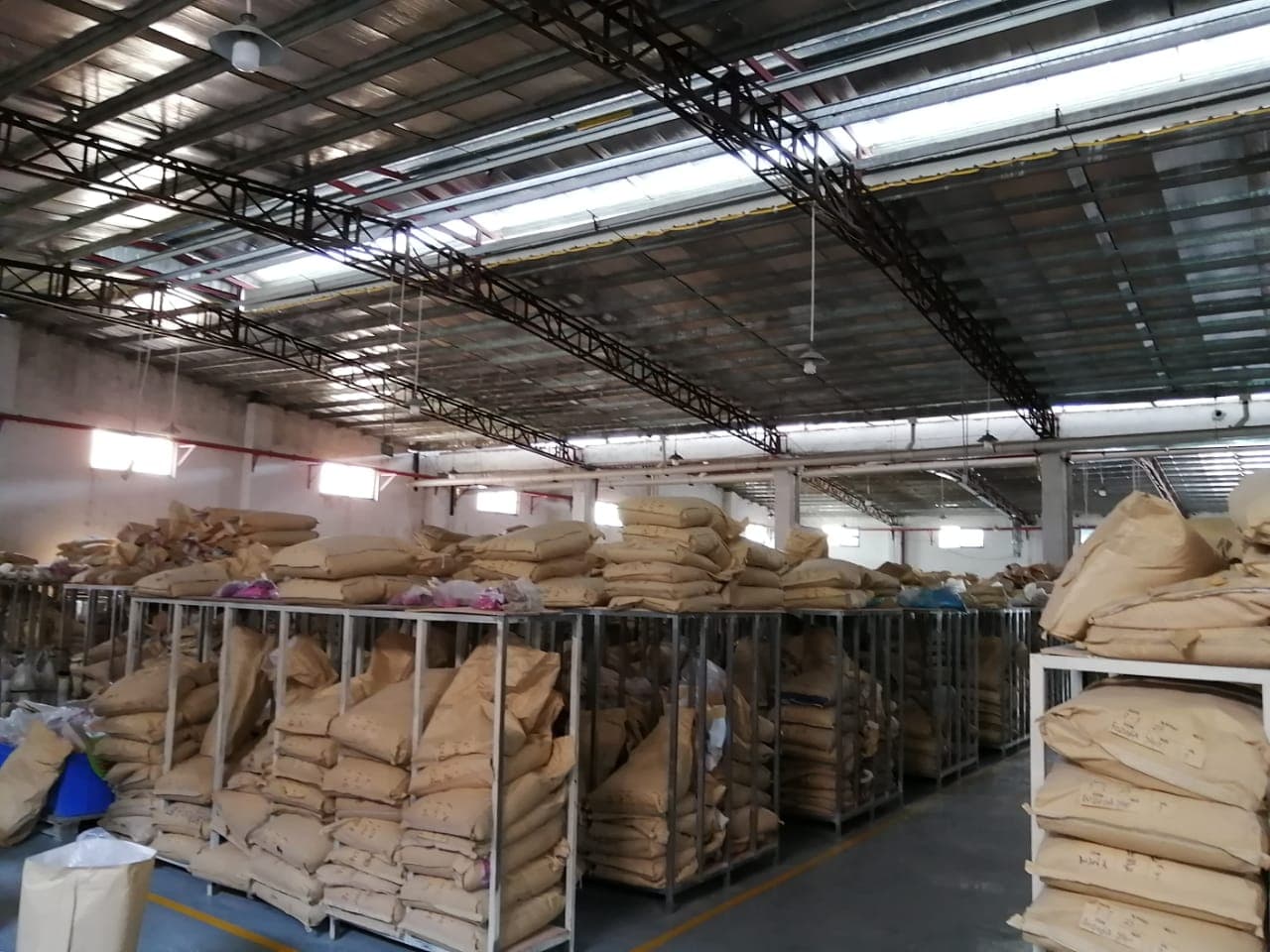
If you have ever pulled a batch of hot-pour lip gloss off the line and found your glitter looking like crumpled aluminium foil at the bottom of the jar, you already know the failure mode I am about to describe. Standard cosmetic-grade PET glitter — the commodity stuff sold in 25kg drums with a one-page spec sheet — typically starts losing dimensional stability somewhere around 80–100°C. The biaxially-oriented polyethylene terephthalate (BOPET) film curls, the vacuum-metallized aluminium layer delaminates, and any dye coated on the surface migrates into your bulk phase. You end up with a product that looks like it was formulated by someone who has never touched a thermometer.
This is the engineering problem that heat resistant polyester glitter powder bulk is designed to solve. But "heat resistant" is a marketing phrase until you define the substrate architecture, the crystallinity of the PET film, the coating chemistry, and the actual test protocol used to validate the claim. That is what this document covers — peer-to-peer, bench-to-bulk.
I am writing this as the Senior Chief Formulation Chemist at MLM Cosmetic (mlmcosmetic.com), a Shenzhen-based OEM cosmetics raw material factory. We manufacture glitter substrates, slit them, coat them, and pack them. I will walk through the material science, the failure modes we have engineered around, the QC stack we run on every production lot, and the practical steps you should take in your own lab before committing to a bulk purchase order.
Regulatory scope statement: MLM Cosmetic supplies cosmetic raw materials and provides batch test documentation (CoA, ICP-MS, FTIR) upon request to support brand filings. Finished formulation safety assessment remains the responsibility of the brand owner's qualified safety assessor or Responsible Person under EU Regulation 1223/2009.
All PET glitter starts as a film. The thermal performance of that film depends almost entirely on its degree of crystallinity and the orientation process used during extrusion. Commodity PET film for glitter is typically biaxially oriented at stretch ratios around 3:1 × 3:1, producing a crystallinity index in the 35–42% range (measured by DSC, first heat scan, 10°C/min ramp). This gives you a glass transition temperature (Tg) around 78°C and an onset of shrinkage somewhere near 100–110°C.
For heat resistant grades, we specify BOPET film with crystallinity indices above 48%, achieved through higher stretch ratios and a post-orientation heat-set step at 200–220°C. The practical result: the film's dimensional stability window extends to 160–200°C depending on the specific grade and metallization layer. The film does not melt at these temperatures — PET melting point is around 260°C — but below the heat-set threshold, it will shrink, warp, and destroy the optical geometry that makes glitter reflective.
A typical cross-section of our heat resistant glitter particle, from bottom to top:
The barrier coat at layer 3 is the critical engineering element for solvent resistance. Without it, butyl acetate in a nail lacquer system will penetrate the dye layer within 48 hours and you will see colour bleed into the clear coat. I have seen this failure in competitor materials where the "heat resistant" claim referred only to the substrate film, with zero attention paid to the coating stack.
Glitter is cut, not ground. We use rotary slitting on precision hexagonal-cut dies. One persistent quality issue across the industry is burr formation on the cut edges — microscopic raised ridges of PET left by dull or misaligned knives. Burrs cause two downstream problems:
We inspect slitting knife condition every 8 hours of continuous operation and run SEM spot checks on cut-edge quality per lot. Particle size range available: 0.05mm (approx. 1/128") through 3.0mm (approx. 1/8"), with custom cuts on request for MOQs above 200kg.
For standard cosmetic glitter options that pair with these heat resistant grades, see our Solvent Resistant Standard Glitter range.
We validate thermal resistance using a forced-air convection oven hold test: glitter particles spread in a monolayer on a glass plate, held at target temperature for 60 minutes, then evaluated under 10× magnification for curl, delamination, or colour shift (ΔE*ab measured on a spectrophotometer against an unheated control).
| Substrate Grade | Heat-Set Temp (°C) | Max Stable Hold (°C / 60 min) | Typical ΔE*ab at Max Hold | Onset of Curl (°C) |
|---|---|---|---|---|
| Standard BOPET (commodity) | 150–170 | 90 | 3.8 | 100–110 |
| MLM HR-Series BOPET | 200–220 | 180 | 0.9 | 195–205 |
| Regenerated Cellulose | N/A (non-oriented) | 150 | 1.2 | 160–170 |
| Synthetic Mica (inorganic) | N/A | 300+ | 0.3 | N/A (no polymer phase) |
The HR-Series BOPET is our workhorse for hot-pour applications: lip gloss fills at 70–85°C, wax-based formulations poured at 90–120°C, and gel candle-type cosmetic products that may see brief excursions to 150°C. Synthetic mica is reserved for applications where the thermal budget genuinely exceeds 200°C — certain baked powder eyeshadows, for instance, where the pressing and curing cycle can hit 250°C.
We run 72-hour immersion tests in the following solvent systems, evaluating for dye migration (visual and spectrophotometric), substrate swelling (dimensional measurement under microscope), and haze development (ASTM D1003 on a BYK haze-gard i instrument):
| Solvent System | Application Context | MLM HR-Series Result (72hr) | Commodity PET Result (72hr) |
|---|---|---|---|
| Butyl Acetate | Nail lacquer primary solvent | No dye migration, ΔHaze < 0.5% | Dye bleed visible at 24hr, ΔHaze 4.2% |
| Ethyl Acetate | Nail lacquer co-solvent | No dye migration, ΔHaze < 0.3% | Moderate dye migration at 48hr |
| Isopropyl Myristate | Oil-phase emollient | No effect | Slight substrate softening |
| Water + 0.5% Carbomer (pH 6.5) | Aqueous gel | No effect | No effect |
| Ethanol 70% | Spray fixatives, sanitiser gels | No dye migration | Slight dye migration at 72hr |
| Propylene Glycol | Humectant systems | No effect | No effect |
A note on viscosity impact: adding 2% w/w of 0.2mm hex-cut glitter to a Carbomer 940 gel (0.5% polymer, neutralized to pH 6.5) increases Brookfield RVT viscosity (spindle #4, 20 RPM, 25°C) by approximately 800–1200 cP over the unglitered control. This is a mechanical effect from particle interference, not a chemical interaction. If your target viscosity window is tight, account for this during formulation development rather than adjusting polymer loading after glitter addition — the rheology curve shifts are not linear.
| Formulation Type | Recommended Substrate | Max Process Temp (°C) | Key Risk | Mitigation |
|---|---|---|---|---|
| Nail Lacquer (nitrocellulose) | HR-Series BOPET | 40 (ambient process) | Solvent dye bleed (butyl/ethyl acetate) | Cross-linked barrier coat mandatory; 72hr immersion QC |
| Hot-Pour Lip Gloss | HR-Series BOPET | 85 | Curl if substrate is commodity grade | Specify heat-set >200°C film; verify CoA |
| Pressed Powder Eyeshadow | Synthetic Mica or HR-Series BOPET | 120 (baking cycle) | Burr-induced skin feel issues | SEM edge inspection; specify fresh-knife lot |
| Wax Melt / Candle Cosmetic | HR-Series BOPET or Synthetic Mica | 90–150 | Aluminium delamination in paraffin | Confirm barrier coat adhesion test on CoA |
| Aqueous Gel / Serum | Regenerated Cellulose or HR-Series BOPET | 25–40 | Electrostatic clumping during dry-add | Pre-disperse in glycerine slurry before adding to gel phase |
| Body Lotion (O/W Emulsion) | Regenerated Cellulose | 75 (emulsification) | Settling during cool-down | Add post-emulsification below 40°C with gentle paddle mixing |
| UV Gel Nail (acrylate cure) | HR-Series BOPET | 60 (exotherm during cure) | Oxygen inhibition layer trapping glitter | Wipe inhibition layer; ensure glitter is encapsulated by gel |
Every production lot is tested on an Agilent 7800 ICP-MS (or equivalent validated instrument) for heavy metal content. Our internal release limits, which we print on every Certificate of Analysis:
These limits satisfy the requirements of US FDA guidance on colour additives, Health Canada's Cosmetic Ingredient Hotlist thresholds, and EU Regulation 1223/2009 impurity expectations. The Sb limit is particularly relevant for PET substrates because antimony trioxide is a common polymerisation catalyst for PET resin — cheap feedstock PET can carry Sb residues above 10 ppm. We specify virgin PET resin with controlled Sb catalyst levels.
We run attenuated total reflectance FTIR (ATR-FTIR) on every incoming film lot and on finished glitter to confirm substrate identity and coating integrity. The PET carbonyl stretch at ~1715 cm⁻¹ and the C-O stretch at ~1245 cm⁻¹ are our primary identity markers. Regenerated cellulose shows the broad O-H stretch at ~3300 cm⁻¹ and C-O-C at ~1030 cm⁻¹. If a supplier ever tries to pass off a cheaper substrate as cellulose or vice versa, the FTIR catches it in 30 seconds.
We provide FTIR spectra with CoA packages on request. If your incoming QC lab wants to verify identity on receipt, we recommend running your own ATR-FTIR against our reference spectrum.
Each lot ships with:
Before you approve any heat resistant polyester glitter powder bulk for production use, run these three tests in your own lab. They take less than a week and will save you from a failed batch.
Disclaimer: Technical data and regulatory references provided herein (including EU Regulation 2023/2055, EU Regulation 1223/2009, and US FDA MoCRA) are based on current legislative texts and laboratory test parameters for raw materials manufactured by MLM Cosmetic. This documentation is intended solely to support independent brand formulators and Responsible Persons in compiling their Cosmetic Product Safety Reports (CPSR) and product filings. Final formulation compliance, toxicological risk assessment, and finished product registration remain the responsibility of the brand owner.
Looking for custom formulation or laboratory testing samples? Contact our MLM Cosmetic technical engineering team or request a free sample kit directly.
Target Formulation Material:
Heat Resistant Polyester Glitter Powder Bulk: Technical Guide
Includes 50g sealed lab pouch, lot-specific COA, Technical Data Sheet (TDS), and ISO 22716 regulatory package.
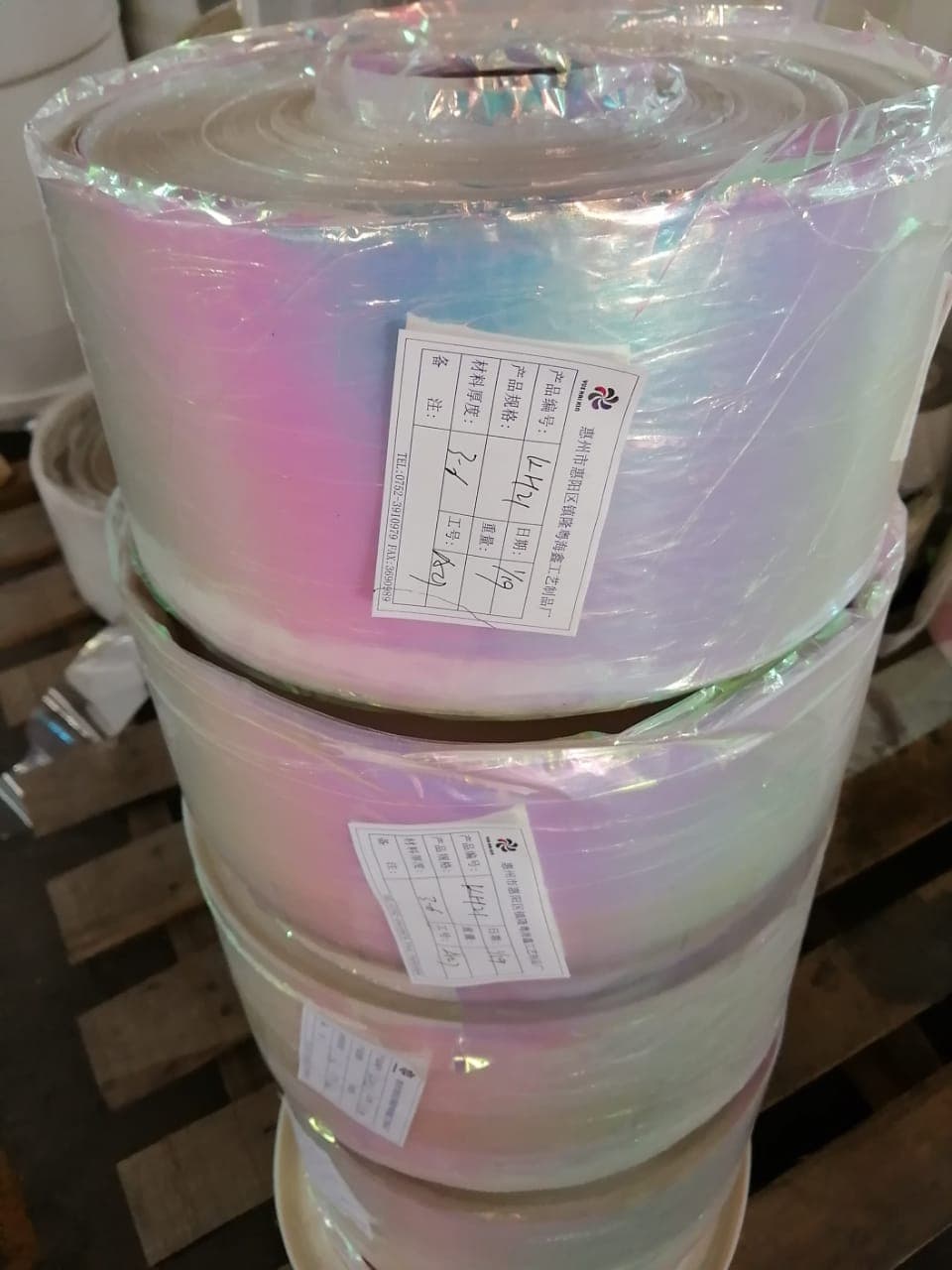
Whether formulating eyeshadow palettes, lip glosses, nail polishes, or compounding industrial epoxy resin, start with our 1kg low trial MOQ or complimentary 50g qualification sample with complete TDS and batch COA.