
Loading...
⚡ 1kg Low MOQ · Factory Direct Glitter & Mica⚡ Source Factory Direct Wholesale · Custom Loose Glitter & Mica Pigments · 1kg Low Trial MOQ · 48h Free 50g Lab Samples
mlmcustom@mlmcosmetic.com⚡ 1kg Low MOQ · Factory Direct Glitter & Mica⚡ Source Factory Direct Wholesale · Custom Loose Glitter & Mica Pigments · 1kg Low Trial MOQ · 48h Free 50g Lab Samples
mlmcustom@mlmcosmetic.comLoading...
OEM engineering guide to heavy metal free cosmetic grade pigments: ICP-MS limits, substrate architecture, solvent bleed testing, and sourcing from MLM Cosmetic factory.
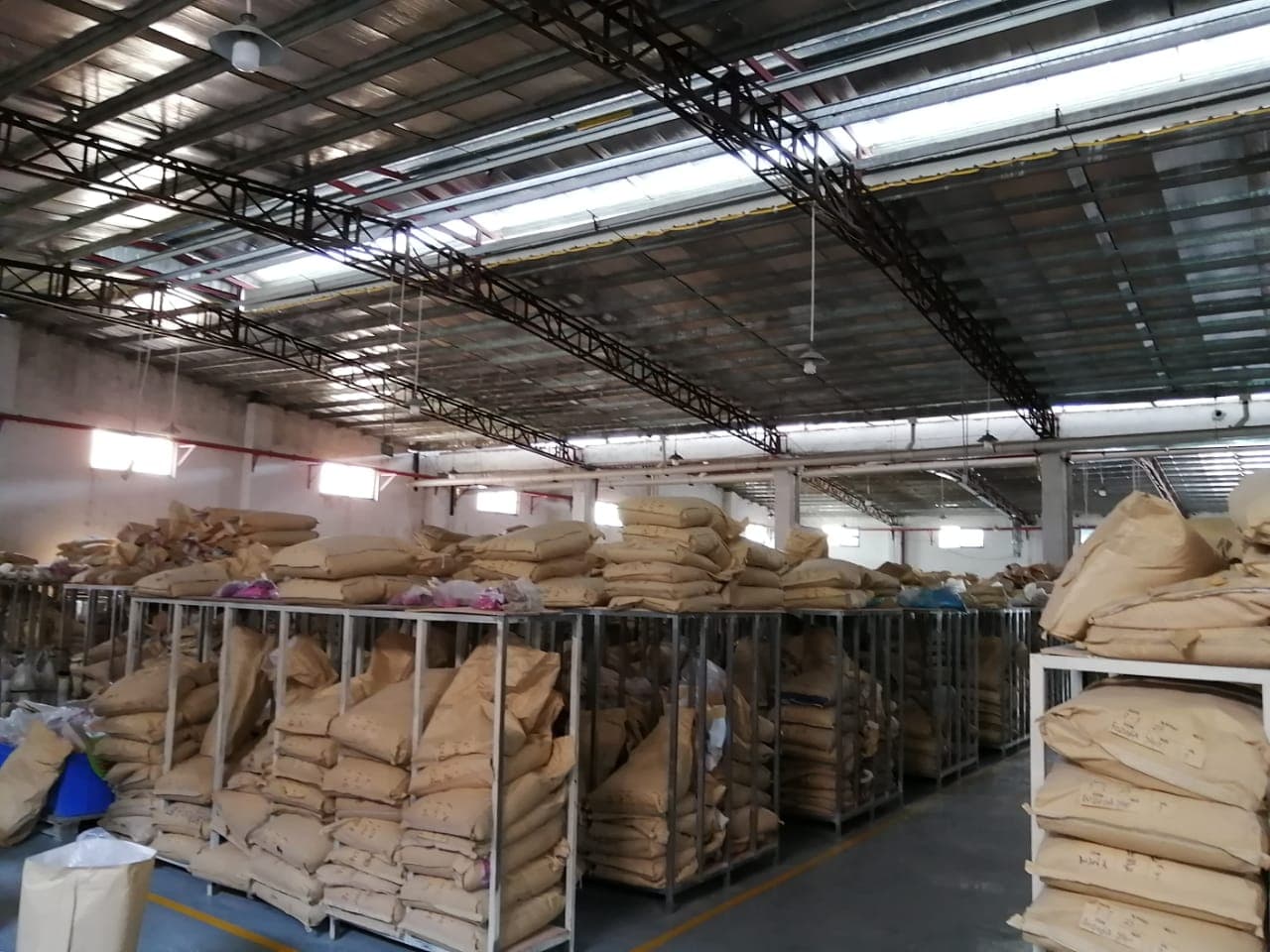
If you are a cosmetic chemist debugging dye migration in a gel polish, a toxicologist reviewing ICP-MS certificates that look suspiciously clean, or a procurement director trying to figure out why your Italian contract filler just rejected an entire shipment of effect pigments at incoming QC—this document is written for you, not at you.
Here is the practical situation most brands walk into blind: you source an effect pigment from a trading company, receive a Certificate of Analysis showing Pb < 1ppm across the board, plug it into a butyl acetate nail lacquer base, and within 72 hours your retention sample shows visible dye bleed creeping up the glass wall of the vial. Or you press an eyeshadow pan at 60°C compaction and the flake fractures into sub-100µm dust that fails your in-house particle size spec. Or worse—your European distributor flags the pigment as a restricted synthetic polymer microparticle under EU Regulation 2023/2055, and forty pallets sit in Rotterdam customs limbo.
These are not hypothetical scenarios. We see purchase orders triggered by exactly these failures every quarter at our Shenzhen production facility.
MLM Cosmetic (mlmcosmetic.com) operates as a primary OEM manufacturer—not a relabeler—of heavy metal free cosmetic grade pigments, effect flakes, and biodegradable glitter. This guide lays out the substrate chemistry, real analytical test data, failure modes we have solved on our own production lines, and a benchtop qualification protocol you can run before committing to bulk.
Regulatory scope note: MLM Cosmetic supplies cosmetic raw materials and provides batch-specific test documentation (CoA, ICP-MS reports, FTIR spectral fingerprints) upon request to support your regulatory filings. Finished formulation safety assessment remains the responsibility of the brand owner's Qualified Person (EU) or Responsible Person under US FDA MoCRA. We do not make finished-product safety claims on your behalf.
Effect pigments are not single materials. They are engineered laminates. Understanding the layer stack matters because each layer introduces a potential contamination vector, a thermal weak point, or a solvent compatibility boundary.
The carrier substrate is where the biggest engineering and regulatory decisions happen.
Derived from sustainably harvested eucalyptus or birch hardwood pulp, dissolved and regenerated into a continuous film via a modified lyocell-type process (NMMO solvent, closed-loop recovery > 99.5%). The resulting film is amorphous, optically clear, and passes biodegradation testing under ISO 14851 (aqueous aerobic) and OECD 301B (ready biodegradability, > 60% ThOD in 28 days).
Why this matters now: EU Regulation 2023/2055 (the REACH Annex XVII Entry 78 microplastic restriction) includes a transition period for rinse-off cosmetics containing synthetic polymer microparticles ≤ 5mm. The October 2027 deadline for rinse-off and the October 2029 deadline for leave-on products are not distant—they are inside most brands' current product development cycle. If you are formulating a body scrub, shower gel, or bath bomb today with conventional PET glitter, the product will still be on retail shelves when the ban takes effect. Cellulose substrate eliminates this risk entirely.
Practical limitation: Regenerated cellulose is hygroscopic. In high-water-activity formulations (aw > 0.85), prolonged storage can soften the substrate and reduce specular reflectance by 10–15% over 12 months at 40°C/75%RH accelerated stability. We recommend pairing cellulose-based pigments with preservative systems that do not rely on high water activity for efficacy (phenoxyethanol/ethylhexylglycerin blends work; MIT/CMIT systems at low concentration can accelerate cellulose hydrolysis—avoid them).
Standard workhorse for nail lacquers, solvent-based body glitter sprays, and any application where the pigment sits in an aggressive organic solvent matrix for months. Our BOPET films are stretched at 4.0–4.5× draw ratio in both machine and transverse directions, achieving > 45% crystallinity (measured by DSC, heating rate 10°C/min). High crystallinity is what keeps the film dimensionally stable in ethyl acetate and butyl acetate—the two primary solvents in nitrocellulose nail enamel systems.
Failure mode we have fixed: Early-generation PET glitters from competitors with crystallinity below 35% swell measurably in butyl acetate after 48 hours, causing the aluminium reflective layer to crack and delaminate. Under a 10× loupe the flake looks "crazed"—fine fracture lines across the face. We confirmed this on our Shimadzu AGS-X tensile tester: PET films below 38% crystallinity showed > 3% linear elongation after 72-hour butyl acetate soak at 25°C. Our production spec holds crystallinity at 43–47%, and elongation after solvent soak stays below 0.4%.
Regulatory note: BOPET pigments are currently permitted in cosmetics globally but will face restrictions in the EU for rinse-off applications. For leave-on nail polish sold in the EU, the transition deadline extends to October 2029. Plan your substrate migration accordingly.
Synthesized from high-purity KF, MgO, SiO2, and Al2O3 at > 1,400°C in an electric arc furnace, then cooled under controlled conditions to grow large-diameter platelet crystals. The result is a fully inorganic, optically transparent substrate with near-zero heavy metal background—because you are building the crystal from reagent-grade salts, not grinding a geological deposit that carries whatever arsenic or lead the mountain decided to include.
Thermal tolerance is the standout property: synthetic fluorphlogopite pigments survive 200°C pour temperatures without color shift. We have validated this on our in-house hot-pour lipstick pilot line (Norwood 50mL jacketed vessel, thermocouple-monitored). At 200°C hold for 15 minutes, ΔE*ab color shift measured on an X-Rite Ci7800 spectrophotometer stays below 1.5—imperceptible to the human eye.
Natural mica, by contrast, is a procurement gamble. We have tested incoming natural mica samples from four different Indian mining regions and measured lead ranging from 3ppm to 19ppm depending on the lot. That is before you even coat it. Synthetic fluorphlogopite from our furnace consistently tests below 0.5ppm Pb.
Below is a summary table drawn from internal MLM Cosmetic R&D testing (2023–2024 campaign, n ≥ 5 batches per substrate type). These are not marketing claims—they are bench data. We will supply the raw test reports under NDA to qualified brand partners.
| Parameter | Regenerated Cellulose | BOPET (PET) | Synthetic Fluorphlogopite |
|---|---|---|---|
| Max continuous-use temp (°C) | 120 | 160 | 200 |
| Onset of visible color shift (ΔE > 2.0) | 135°C / 10 min | 175°C / 10 min | > 220°C / 10 min |
| Ethyl acetate soak (72h, 25°C) — dye bleed | None (epoxy encap.) | None (epoxy encap.) | N/A (inorganic color) |
| Butyl acetate soak (72h, 25°C) — dye bleed | None (epoxy encap.) | None (epoxy encap.) | N/A (inorganic color) |
| Water soak (30 days, 40°C) — substrate integrity | Slight softening at edges; acceptable | No change | No change |
| IPA soak (72h, 25°C) — dye bleed | None | None | N/A |
| Haze (ASTM D1003, BYK haze-gard) on 50µm film | 4.2% | 1.8% | 2.1% (pressed pellet method) |
| Brookfield RVT viscosity impact in carbomer 940 gel (0.5% w/w loading, spindle #4, 20 RPM, 25°C) | +3.8% vs. control | +1.2% vs. control | +6.5% vs. control (platelet geometry) |
Interpretation note on the Brookfield data: Synthetic mica platelets have a higher aspect ratio than cut film flakes, so they interact more with the polymer gel network and bump apparent viscosity. If you are formulating a pourable serum with synthetic mica effect pigments at > 1% loading, you may need to back off your carbomer or acrylates crosspolymer concentration by 0.05–0.10% to maintain target viscosity. This is a formulation adjustment, not a defect.
| Finished Product Type | Recommended Substrate | Particle Size Range | Key Risk to Manage | MLM Cosmetic Product Line |
|---|---|---|---|---|
| Nail lacquer (nitrocellulose/CAB) | BOPET | 0.1–1.0mm | Solvent swell if crystallinity < 40%; confirm CoA | Solvent-stable PET glitter series |
| Gel polish (UV-cure acrylate) | BOPET or Syn. Mica | 0.05–0.4mm | Oxygen inhibition layer trapping flakes at surface; use thin coats | PET or Syn. Mica fine grades |
| Hot-pour lipstick / lip balm | Synthetic Fluorphlogopite | 0.05–0.2mm | Thermal color shift above 200°C; keep pour temp ≤ 185°C | Syn. Mica shimmer series |
| Pressed eyeshadow | Syn. Mica or Cellulose | 0.05–0.5mm | Press compaction fracture; reduce press force to < 3 tons for large flakes | All substrate options |
| Bath bomb / rinse-off scrub (EU market) | Regenerated Cellulose | 0.2–3.0mm | Must be cellulose for EU microplastic compliance post-Oct 2027 | Biodegradable Glitter |
| Body oil / dry oil spray | BOPET or Cellulose | 0.1–0.4mm | Settling in low-viscosity oils; use silane-treated grades for better suspension | Surface-treated series |
| Loose powder / mineral foundation | Syn. Mica | 0.02–0.15mm | Electrostatic clumping in powder hoppers; ground your hopper, use ionizing bars, or add 0.3% silica flow aid | Micronized Syn. Mica |
Every production batch at MLM Cosmetic is sampled using a stratified random protocol (top, middle, bottom of blending drum) and analyzed on an Agilent 7800 ICP-MS with collision/reaction cell (helium mode for polyatomic interference removal on As-75 and Cr-52).
Our internal release limits, which are tighter than many regulatory frameworks require:
| Element | MLM Internal Limit | EU Cosmetic Typical Guidance | US FDA (MoCRA) |
|---|---|---|---|
| Lead (Pb) | < 2 ppm | < 10 ppm (recommended) | < 10 ppm (draft guidance for color additives) |
| Arsenic (As) | < 1 ppm | < 2 ppm | < 3 ppm |
| Mercury (Hg) | < 1 ppm | < 1 ppm | < 1 ppm |
| Cadmium (Cd) | < 1 ppm | < 5 ppm | < 3 ppm |
| Antimony (Sb) | < 5 ppm | Not specified for most products | Not specified |
| Nickel (Ni) | < 10 ppm | Sensitization concern; no fixed limit in 1223/2009 but SCCS opinions apply | Not specified |
Why we test antimony: Sb2O3 is a common PET polymerization catalyst. If your PET substrate supplier uses antimony trioxide, trace Sb migrates to the surface during vacuum metallization at elevated temperatures. We use a germanium-catalyzed PET resin for our BOPET films specifically to keep Sb below 5ppm in the finished pigment. This is a detail most trading companies never think about—and it shows up on your ICP-MS report if you are actually running one.
Every batch ships with an attenuated total reflectance (ATR) FTIR spectrum (Thermo Nicolet iS50, diamond ATR crystal, 32 scans, 4 cm⁻¹ resolution). This serves two purposes:
Our precision rotary slitting lines use tungsten carbide circular knives re-sharpened on a 72-hour cycle. Why does this matter to you? Because a dull slitting knife produces burrs on the cut edge of the flake. Burrs cause two downstream problems:
Particle size distribution is validated per batch using a Retsch AS200 sieve shaker (amplitude 1.5mm, 10 min) with electroformed sieves for cuts above 100µm, and laser diffraction (Malvern Mastersizer 3000) for micronized grades below 100µm.
Before you commit to a 500kg purchase order, run these three tests on the 1kg trial sample. They take less than a week and will save you from a failed production batch.
Place 0.5g of pigment into a sealed 20mL glass vial with 10mL of your primary formulation solvent (e.g., butyl acetate for nail lacquer, cyclomethicone for silicone serums, deionized water for aqueous gels). Seal. Store at 40°C. Inspect at 24h, 48h, and 72h.
Pass criteria: Solvent remains optically clear with no visible color tint. Photograph against a white background with consistent lighting for your records. If the solvent picks up even a faint hue, the encapsulation has failed—reject the pigment for that solvent system.
Heat 50g of your anhydrous base (e.g., castor oil + candelilla wax blend for lip balm) to your target pour temperature. Add 2% w/w pigment. Hold at temperature for 15 minutes with gentle stirring. Pour into moulds. After cooling to 25°C, measure color with a spectrophotometer against a control sample mixed at 25°C.
Pass criteria: ΔE*ab < 2.0 between hot-pour and cold-mix samples. If ΔE exceeds 2.0, the pigment's color layer is thermally degrading. Either lower your pour temperature or switch to a synthetic fluorphlogopite-based pigment rated for higher thermal exposure.
Incorporate pigment at target use level into your finished formula. Prepare three sets of retention samples. Store at:
Evaluate at Week 1, Week 2, and Week 4 for: color shift (spectrophotometer), viscosity change (Brookfield RVT, same spindle and speed as your development spec), pigment settling or floating, odor change, microbial challenge if aqueous.
Pass criteria: No visible settling or floating, viscosity within ± 10% of T=0 value, ΔE < 1.5 across all conditions, no off-odor development.
MLM Cosmetic ships 1kg pilot samples in vacuum-sealed aluminium foil barrier bags (4-layer laminate: PET/Al/Nylon/PE, moisture vapor transmission rate < 0.5 g/m²/day per ASTM F1249). Vacuum sealing prevents moisture ingress during transit—critical for cellulose substrates that are hygroscopic and for synthetic mica grades that can pick up surface moisture and clump.
Minimum order for sampling: 1kg per SKU. Lead time: 5–7 working days ex-works Shenzhen.
25kg net weight in UN-rated fibre drums (UN 1G/Y rating) with polyethylene liner bag, heat-sealed. Drums are palletized on fumigation-exempt plywood pallets (ISPM-15 compliant) for ocean freight.
Typical production MOQ: 25kg per color per particle size. For custom color matching (Pantone or physical sample reference), MOQ increases to 100kg after lab approval of the bench match.
Choosing a heavy metal free cosmetic grade pigments factory is not about finding the cheapest price per kilo. It is about confirming that the manufacturer actually controls the variables that cause your formulation to fail six months after launch—substrate crystallinity, encapsulation cross-link density, knife-edge quality, antimony catalyst residues, and real ICP-MS data run on the actual batch you are buying, not a golden sample from two years ago.
MLM Cosmetic operates the synthesis, metallization, coating, slitting, and QC testing under one roof in Shenzhen. We are not brokering someone else's pigment and stapling a CoA to it.
Request a 1kg trial kit at mlmcosmetic.com or contact our technical sales team directly. Tell us the finished product type, target solvent system, pour or processing temperature, and target market (EU, US, ASEAN, etc.) so we can recommend the correct substrate and surface treatment from the start—before you waste a month testing the wrong material.
This document is provided for technical guidance purposes by MLM Cosmetic, Shenzhen, China. It does not constitute regulatory advice. Brand owners are responsible for ensuring finished product compliance through their own Qualified Person or safety assessor. Data presented reflects internal testing under stated conditions; results may vary depending on specific formulation composition and processing parameters.
Disclaimer: Technical data and regulatory references provided herein (including EU Regulation 2023/2055, EU Regulation 1223/2009, and US FDA MoCRA) are based on current legislative texts and laboratory test parameters for raw materials manufactured by MLM Cosmetic. This documentation is intended solely to support independent brand formulators and Responsible Persons in compiling their Cosmetic Product Safety Reports (CPSR) and product filings. Final formulation compliance, toxicological risk assessment, and finished product registration remain the responsibility of the brand owner.
Looking for custom formulation or laboratory testing samples? Contact our MLM Cosmetic technical engineering team or request a free sample kit directly.
Target Formulation Material:
Heavy Metal Free Cosmetic Grade Pigments Factory – OEM Tech Guide
Includes 50g sealed lab pouch, lot-specific COA, Technical Data Sheet (TDS), and ISO 22716 regulatory package.
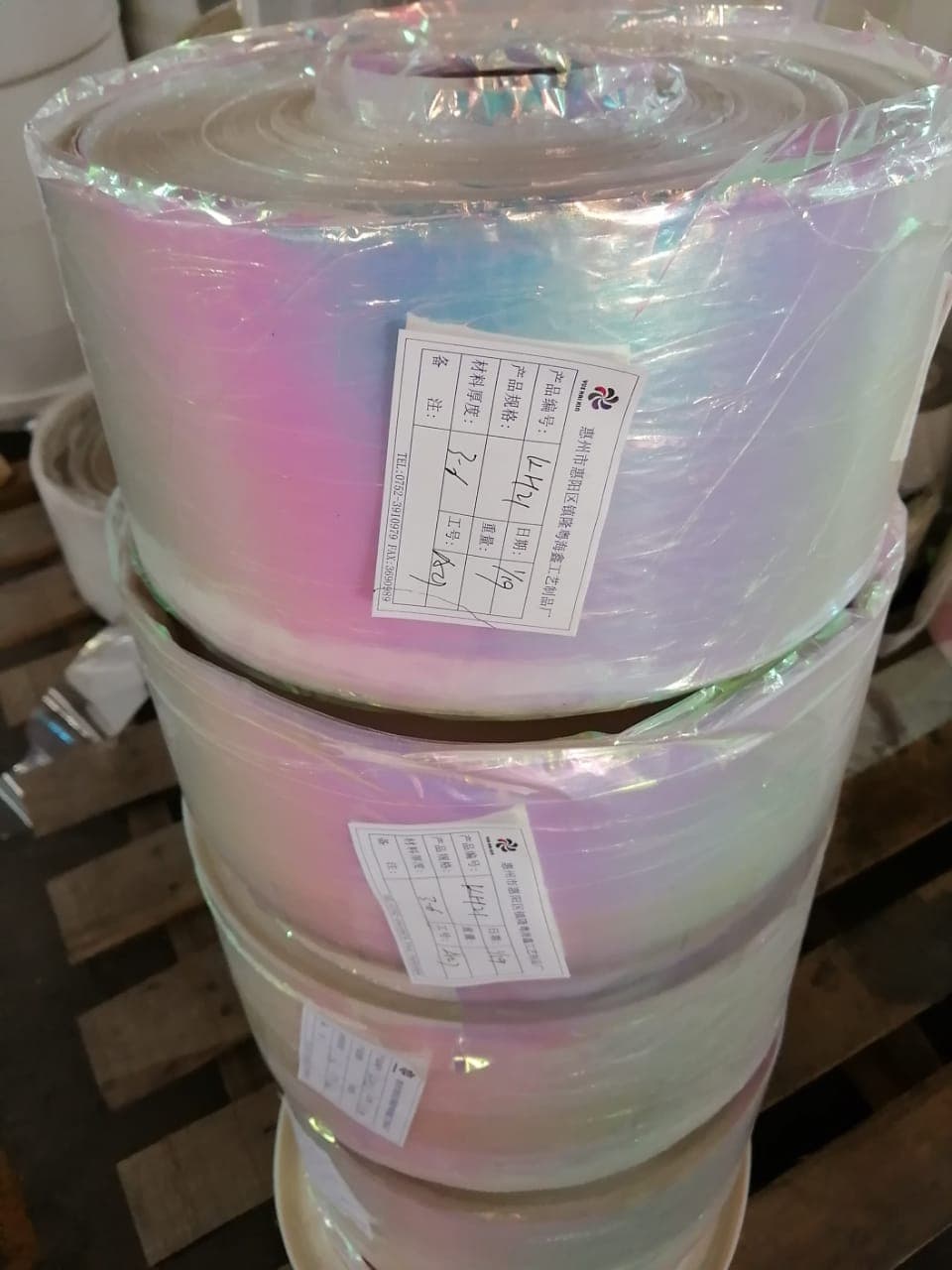
Whether formulating eyeshadow palettes, lip glosses, nail polishes, or compounding industrial epoxy resin, start with our 1kg low trial MOQ or complimentary 50g qualification sample with complete TDS and batch COA.