
Loading...
⚡ 1kg Low MOQ · Factory Direct Glitter & Mica⚡ Source Factory Direct Wholesale · Custom Loose Glitter & Mica Pigments · 1kg Low Trial MOQ · 48h Free 50g Lab Samples
mlmcustom@mlmcosmetic.com⚡ 1kg Low MOQ · Factory Direct Glitter & Mica⚡ Source Factory Direct Wholesale · Custom Loose Glitter & Mica Pigments · 1kg Low Trial MOQ · 48h Free 50g Lab Samples
mlmcustom@mlmcosmetic.comLoading...
Technical guide to replacing microplastic PET glitter under EU Annex XVII & MoCRA. Substrate chemistry, solvent stability, and suspension rheology.
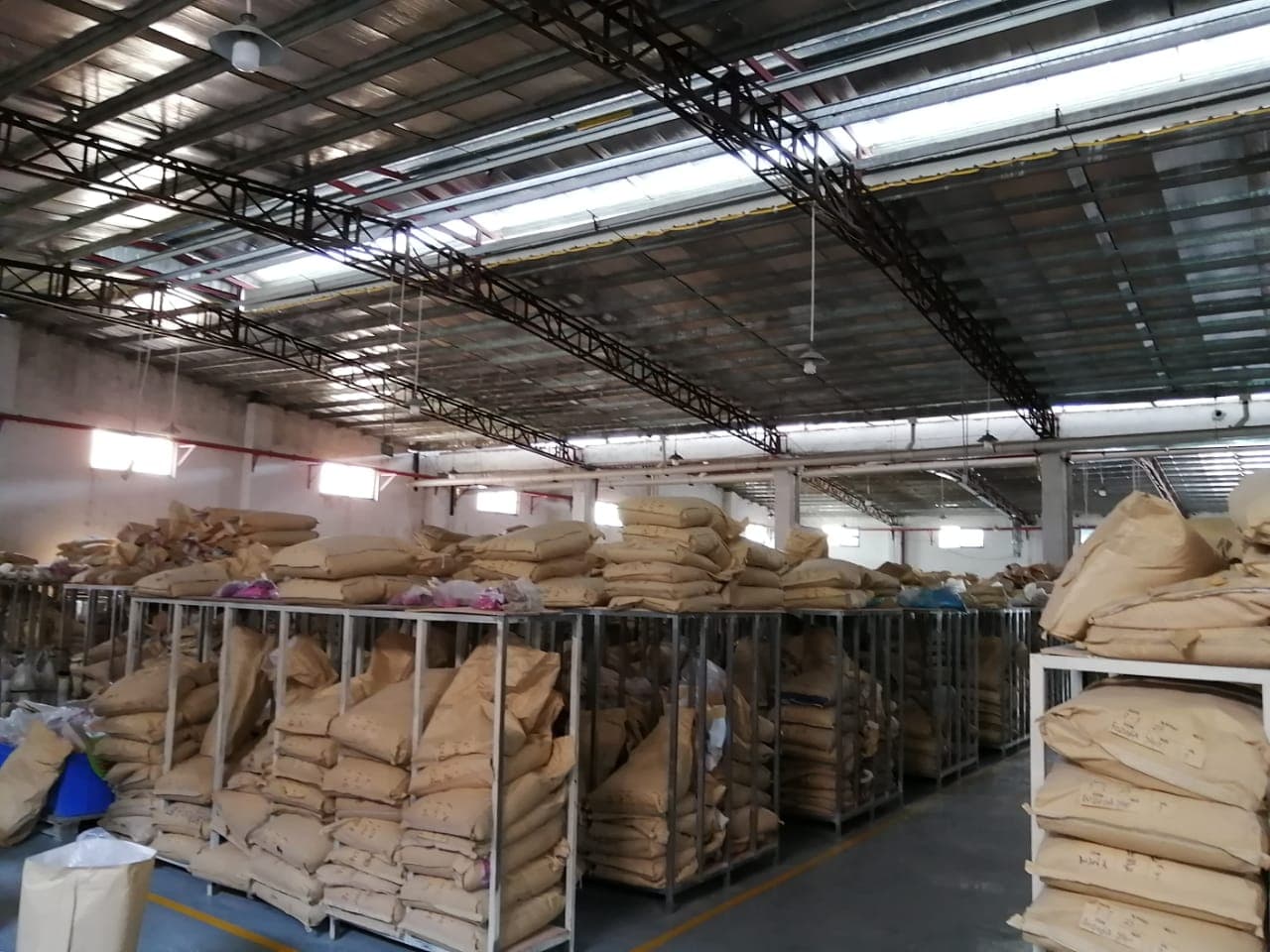
The global cosmetic landscape faces an irreversible regulatory transition. As enforcement deadlines under European Commission Regulation (EU) 2023/2055 (amending Annex XVII of REACH) approach, cosmetic formulators and procurement leads must systematically phase out non-biodegradable synthetic polymer microparticles (microplastics). Simultaneously, the United States Food and Drug Administration (FDA) is enforcing rigorous ingredient safety substantiation under the Modernization of Cosmetics Regulation Act of 2022 (MoCRA). Formulating optical effect pigments without Polyethylene Terephthalate (PET) requires navigating chemical substrate compatibility, rheological suspension dynamics, and stringent toxicological thresholds. Transitioning to compliant alternatives like Cosmetic Grade Biodegradable Glitter is no longer an optional marketing narrative; it is a core operational requirement for market access in 2026 and beyond.
Legacy cosmetic glitter relies on biaxially-oriented PET films vacuum-metallized with aluminum (0.001%–0.05%) and sealed with a polyurethane or epoxy topcoat. While chemically inert and cheap, PET is classified as an intentional microplastic under REACH if particles are insoluble, macromolecular substances measuring under 5 mm.
Derived from eucalyptus hardwoods via the lyocell process, regenerated cellulose offers an intrinsically amorphous yet crystalline structural integrity. The primary challenge in cosmetic formulation lies in its hygroscopic character. Without functional surface crosslinking, cellulose swells in aqueous phases, lowering shear stability and softening edges. Modern surface coatings use food-grade plant resins, styrene/acrylates copolymers (exempt when properly bound or formulated under degradability allowances), or microcrystalline cellulose layers that yield a water-resistant boundary layer without inhibiting ISO 14851/OECD 301B industrial and marine biodegradability.
Where high-temperature thermal processing is non-negotiable (such as hot-pour lipsticks or extruded eyeliner pencils at 85°C–110°C), synthetic mica provides an inorganic, microplastic-exempt solution. By synthesizing pure fluorphlogopite flakes layered with metal oxides (titanium dioxide, iron oxides, tin oxide), formulators achieve high chroma and mirror-like reflectance matching or exceeding PET flake luminescence, with an absolute melting threshold exceeding 1000°C.
R&D teams shifting away from PET routinely report three severe structural failures during reformulations:
| Physicochemical Parameter | Regenerated Cellulose Glitter | Synthetic Fluorphlogopite Flakes | Conventional PET Glitter (Phasing Out) |
|---|---|---|---|
| Substrate Origin | Non-GMO Eucalyptus/Viscose | Inorganic mineral synthesis | Synthetic petrochemical polymer |
| Particle Size Range | 0.05 mm – 3.0 mm (1/128" – 1/8") | 10 µm – 500 µm (0.01 – 0.5 mm) | 0.05 mm – 3.0 mm (1/128" – 1/8") |
| Heat Resistance | Up to 160°C (320°F) | Up to 800°C+ | Up to 110°C (deforms at >135°C) |
| Specific Gravity | ~1.42 g/cm³ | ~2.80 g/cm³ | ~1.38 g/cm³ |
| Nail Lacquer Stability | High (Solvent-Resistant Series) | Exceptional (Inert mineral matrix) | Excellent |
| Emulsion (H2O/Glycol) Stability | Stable (pH range 4.5 – 8.5) | Fully stable (pH range 2.0 – 12.0) | Stable (Risk of optical delamination) |
| EU Annex XVII Microplastic Status | Exempt / Fully Compliant | Exempt (Inorganic mineral) | Restricted / Subject to phaseout |
| US FDA MoCRA Compliance | Safe, full tox-profile available | Safe, full tox-profile available | Requires justification / packaging warnings |
| Lead (Pb) by ICP-MS | < 2.0 ppm | < 1.0 ppm | < 5.0 ppm |
| Arsenic (As) by ICP-MS | < 1.0 ppm | < 0.5 ppm | < 2.0 ppm |
| Mercury (Hg) by ICP-MS | < 1.0 ppm | < 0.1 ppm | < 1.0 ppm |
| Minimum Order Qty (MOQ) | 1 kg (Stock) / 25 kg (Custom) | 1 kg (Stock) / 25 kg (Custom) | 25 kg |
| Factory Production Lead Time | 7 – 10 business days | 5 – 7 business days | 10 – 14 business days |
Under Commission Regulation (EU) 2023/2055, synthetic polymer microparticles are banned from cosmetic applications under varying phase-out periods (rinse-off products by 2027, leave-on products by 2029, and make-up/lip/nail applications by 2035—with several mandatory labelling notices required from 2027 onward). However, brand owners aiming to de-risk retail portfolios are transitioning existing SKUs now.
Formulation chemists must verify that replacement flakes fulfill one of the explicit exemption criteria:
Under MoCRA Section 608, the "Responsible Person" must possess and maintain adequate substantiation of safety for every ingredient in a finished product before distribution. For plastic glitter alternatives, raw material suppliers must supply complete toxicological profiles, including:
Yes, provided you source coated, surface-crosslinked regenerated cellulose. Non-crosslinked raw cellulose swells and loses optical reflectivity in water. MLM Cosmetic's aqueous-stable series uses a microscopic natural protective barrier that resists swelling in water/glycol phases between pH 4.5 and 8.5 for over 24 months at ambient temperatures.
Standard non-associative thickeners (such as native starches or low-molecular-weight cellulosics) fail because they lack an adequate yield point. Use an acrylic polymer network (such as crosslinked Acrylates Copolymer) or a pre-activated organoclay suspension (Disteardimonium Hectorite or Stearalkonium Bentonite for anhydrous/solvent systems). The formulation must achieve a zero-shear viscosity sufficient to offset gravitational forces calculated via Stokes' law.
Cellulose glitter replicates traditional hexagonal/geometric cut glitter shapes (from 0.05 mm up to 3.0 mm) with distinct flake edges. Synthetic fluorphlogopite consists of micro-platelets (typically 10 µm to 500 µm) that provide pearlescent luster and multidimensional diamond sparkle, but cannot be die-cut into macro-hexagonal flakes. Most formulators blend both substrates to achieve complete surface coverage and dimensional sparkle.
No, as long as mechanical precision-cut specifications are maintained. Inferior shredding yields jagged microscopic burrs that risk mechanical corneal irritation. MLM Cosmetic implements optical laser-guided rotary micro-shearing, ensuring every particulate edge possesses uniform geometry with a smooth edge profile validated via scanning electron microscopy (SEM).
Transitioning high-volume color cosmetics or personal care formulations off microplastic polymers requires material consistency, high-purity lot validation, and comprehensive regulatory documentation. In addition to plant-based glitter, our engineering team regularly synthesizes Bulk Cosmetic Mica Powder and high-load dispersion bases to satisfy complex global supply chain mandates.
For technical documentation, ICP-MS heavy metal batch reports, regulatory dossiers (COA, MSDS, TDS, OECD 301B), or to schedule technical consultation with our engineering laboratory in Shenzhen, contact MLM Cosmetic directly:
Disclaimer: Technical data and regulatory references provided herein (including EU Regulation 2023/2055, EU Regulation 1223/2009, and US FDA MoCRA) are based on current legislative texts and laboratory test parameters for raw materials manufactured by MLM Cosmetic. This documentation is intended solely to support independent brand formulators and Responsible Persons in compiling their Cosmetic Product Safety Reports (CPSR) and product filings. Final formulation compliance, toxicological risk assessment, and finished product registration remain the responsibility of the brand owner.
Looking for custom formulation or laboratory testing samples? Contact our MLM Cosmetic technical engineering team or request a free sample kit directly.
Target Formulation Material:
How to Replace Plastic Glitter in Cosmetic Formulations 2026
Includes 50g sealed lab pouch, lot-specific COA, Technical Data Sheet (TDS), and ISO 22716 regulatory package.
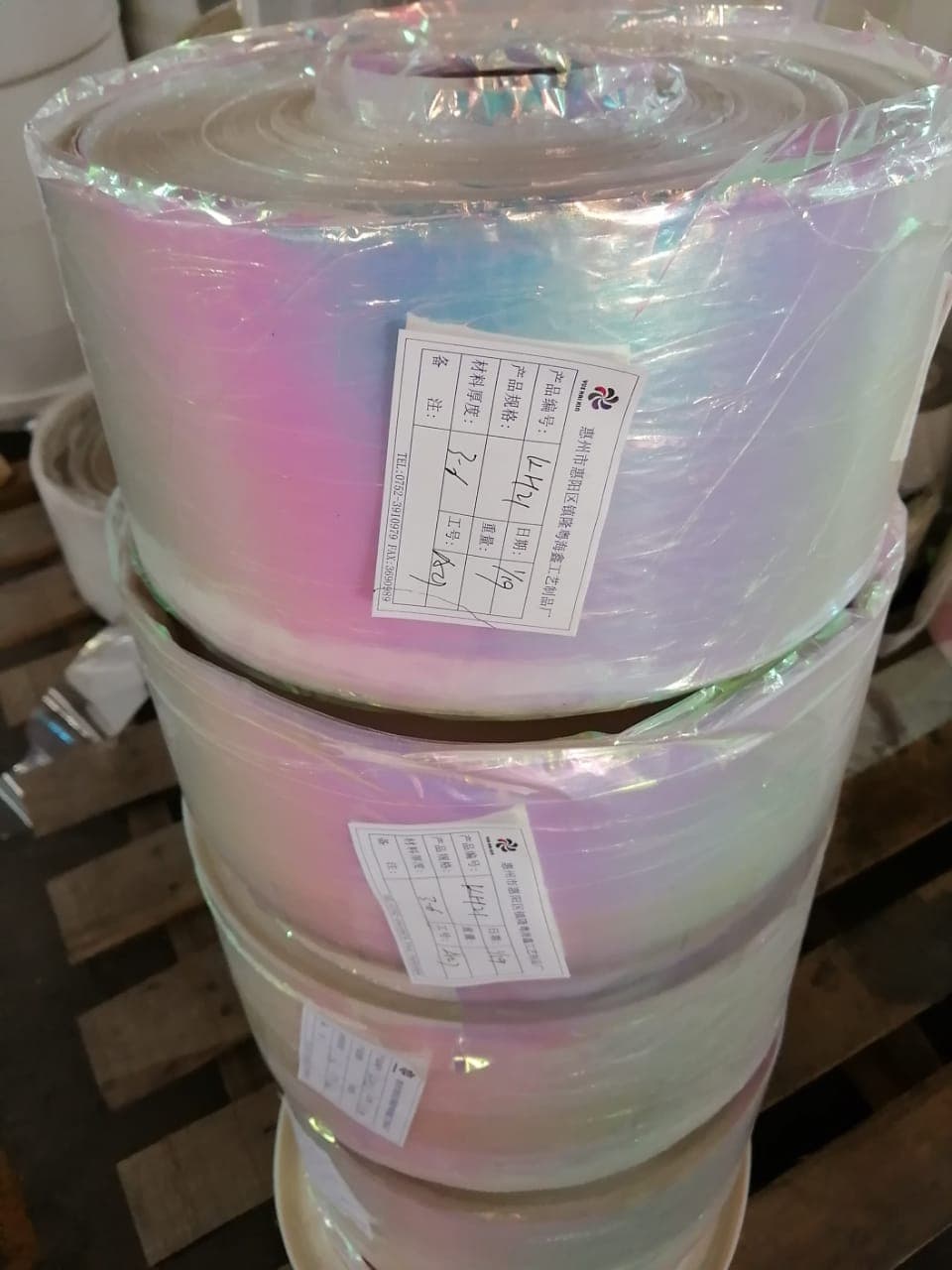
Whether formulating eyeshadow palettes, lip glosses, nail polishes, or compounding industrial epoxy resin, start with our 1kg low trial MOQ or complimentary 50g qualification sample with complete TDS and batch COA.