
Loading...
B2B effect pigments · Quote by SKUB2B glitter & effect pigments · Specifications, MOQ and timing confirmed by quotation
mlmcustom@mlmcosmetic.comB2B effect pigments · Quote by SKUB2B glitter & effect pigments · Specifications, MOQ and timing confirmed by quotation
mlmcustom@mlmcosmetic.comLoading...
Navigate Middle East cosmetic glitter import. Compare corn starch-based and traditional glitter technical specifications, regional regulations, and procurement best practices.
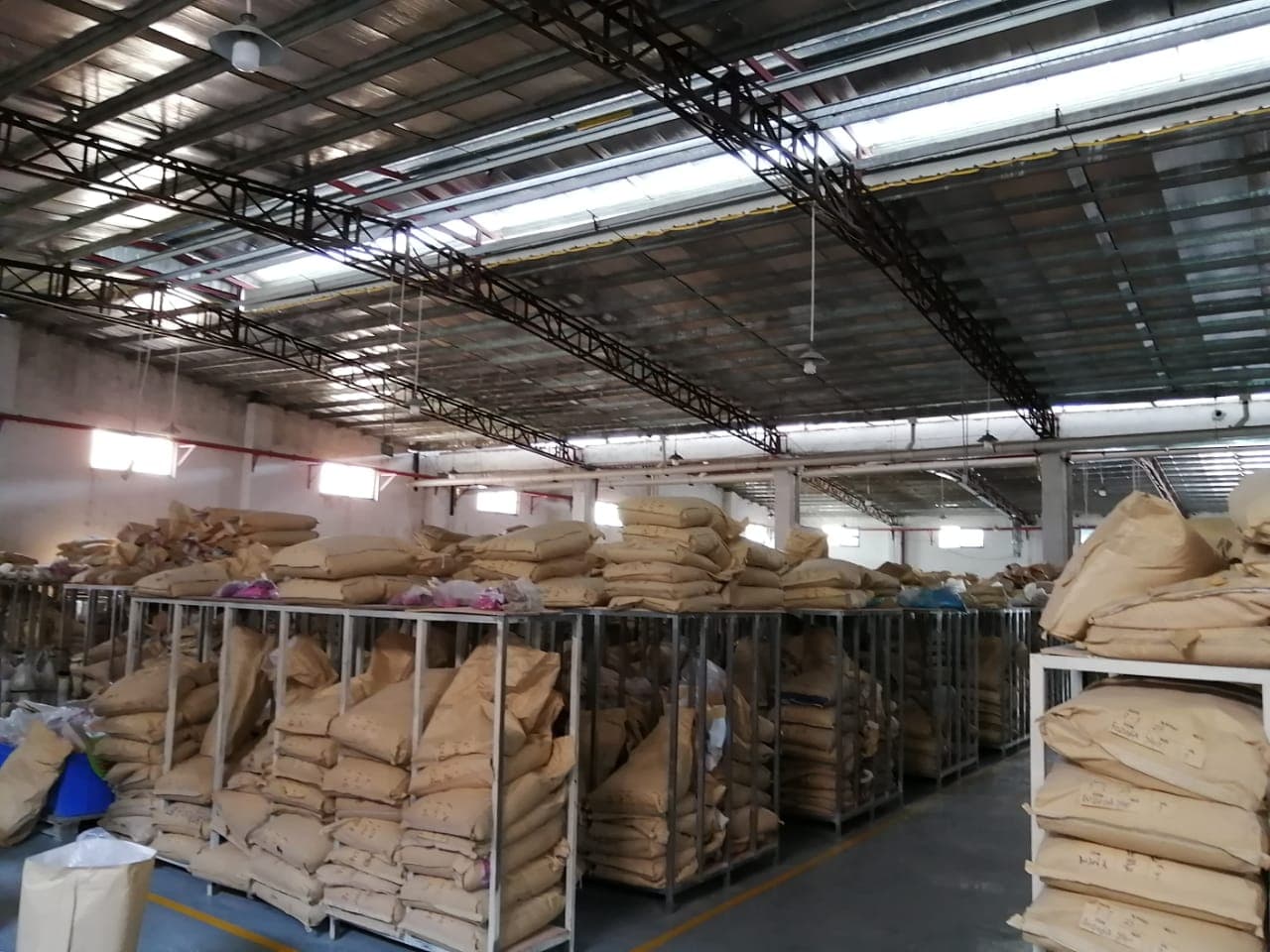
The cosmetic industry in the Middle East is dynamic, driven by innovation and evolving consumer preferences. As brands explore new textures and visual effects, the choice of glitter type – whether traditional or alternative materials – carries significant technical and regulatory implications. This whitepaper provides a comprehensive guide for international procurement teams, chemists, and cosmetic brands on the critical considerations when importing these materials into the Middle East.
The selection of cosmetic glitter necessitates a deep understanding of its physical and chemical properties, which directly impact formulation stability, performance, and regulatory compliance.
Traditional cosmetic glitters are predominantly composed of polyester (PET) or polyvinyl chloride (PVC) films. These materials provide a robust, optically vibrant flake.
Corn starch-based glitters, or glitters derived from modified regenerated cellulose, represent a category designed to offer alternatives to traditional plastic core materials. It is critical to understand their distinct material behavior.
Complimentary Sample Desk
Complimentary sample swatches (evaluation sizes, up to 5 candidate shades) provided for qualified brand formulators and manufacturers. Express courier dispatch within 48 hours, with courier fees credited toward your first production order.
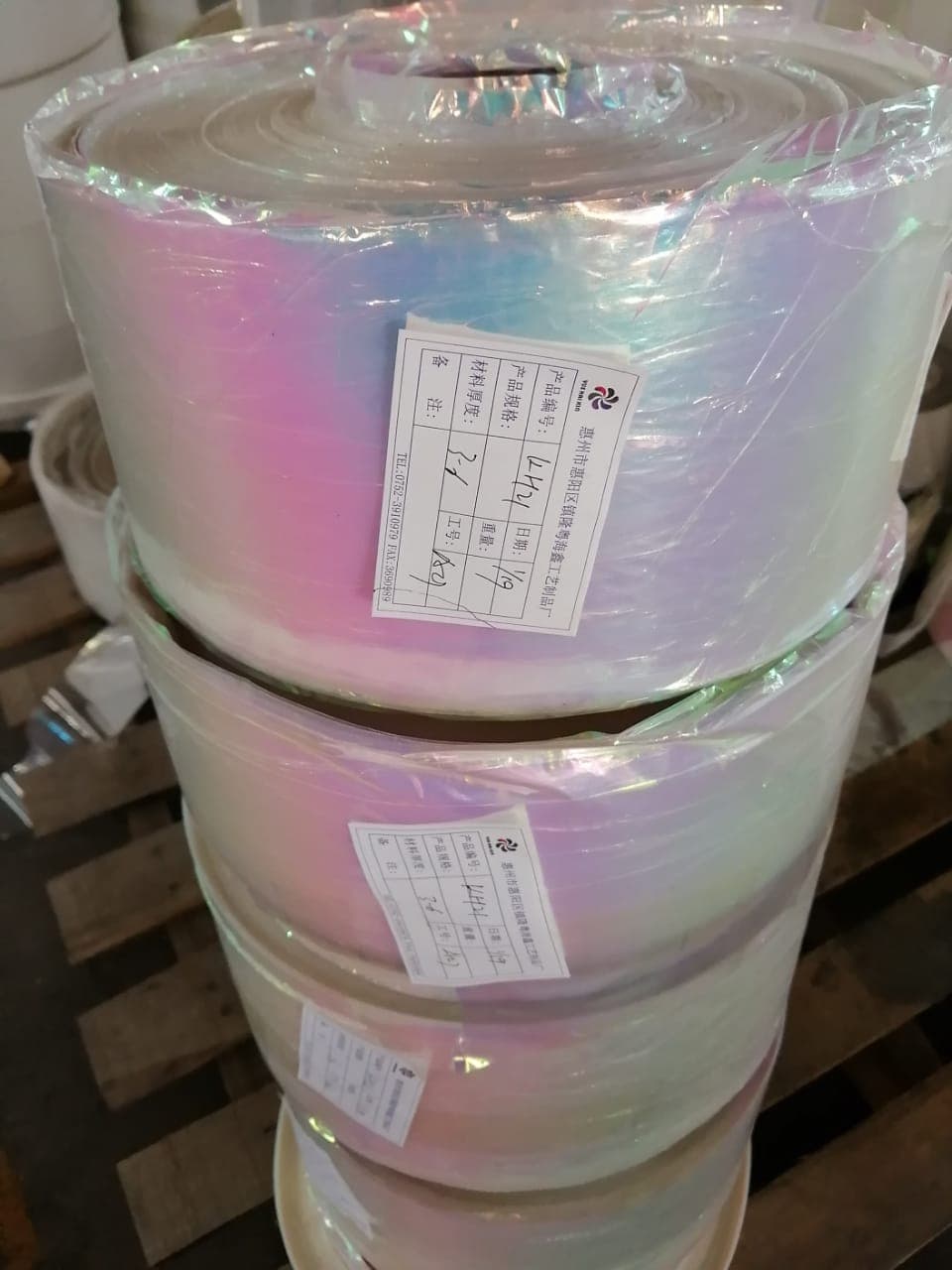
Share your particle-size target, formulation, test conditions, intended use and destination market so technical sales can define the next qualification step.