
Loading...
⚡ 1kg Low MOQ · Factory Direct Glitter & Mica⚡ Source Factory Direct Wholesale · Custom Loose Glitter & Mica Pigments · 1kg Low Trial MOQ · 48h Free 50g Lab Samples
mlmcustom@mlmcosmetic.com⚡ 1kg Low MOQ · Factory Direct Glitter & Mica⚡ Source Factory Direct Wholesale · Custom Loose Glitter & Mica Pigments · 1kg Low Trial MOQ · 48h Free 50g Lab Samples
mlmcustom@mlmcosmetic.comLoading...
Head-to-head comparison between multinational chemical conglomerates and direct factory manufacturing for cosmetic effect pigments. Evaluates 1kg vs 25kg MOQs, lead times, and Agilent 7800 ICP-MS test data.
Formulator Advisory & Upstream Raw Material Notice: MLM Cosmetic Pigments is an upstream raw material manufacturer. US FDA and international health authorities do not certify or approve raw material chemical plants or finished consumer formulations. Finished cosmetic compliance (including US MoCRA safety substantiation, FDA 21 CFR § 73/74 colorant listings, and EU Regulation 1223/2009) remains the legal responsibility of the cosmetic brand owner. Lot-specific documentation on request (TDS, SDS, and Agilent 7800 ICP-MS heavy metal COAs) is provided for benchtop pilot qualification.
Document Class: Industrial B2B Sourcing Dossier | Analytical Chemistry & Procurement Intelligence
Issued By: Senior Technical Directorate, MLM Cosmetic (深圳市美联美科技发展有限公司), Bao'an District, Shenzhen
Laboratory Reference: Agilent 7800 ICP-MS, EPA 3052 Closed-Vessel Microwave Digestion
Revision: 2026-Q1 | Slug: merck-vs-basf-vs-mlm-cosmetic-mica-powder-comparison
⚠ REGULATORY SCOPE NOTICE: This dossier addresses the procurement, analytical qualification, and formulation integration of cosmetic raw material effect pigments — specifically pearlescent mica powders, TiO₂/Fe₂O₃ nanocoated flakes, optical chameleon powders, and precision-cut glitter substrates. MLM Cosmetic manufactures and supplies upstream raw material ingredients only. We do not perform finished cosmetic Raw Material filling, blending, bottling, or contract packaging of any consumer-ready product. All compliance references (FDA 21 CFR § 73/74, EU Regulation 1223/2009, MoCRA) apply to the raw colorant ingredient at point of incorporation by the licensed formulator or contract manufacturer.
For a cosmetic formulation chemist or R&D procurement manager sourcing pearlescent mica, optical chameleon, or precision glitter pigments, the supply chain between raw material factory and your benchtop weighing station is rarely a straight line. In practice, it is a layered intermediary system that imposes compounding costs, timeline distortions, and analytical uncertainty at every tier.
The broker markup problem is structural, not incidental. Multi-tier chemical distributors — operating between Tier 1 MNC manufacturers and end-use formulators — routinely apply 200–400% margin stacking across two to three intermediary layers. A pearlescent mica flake manufactured at approximately USD 8–14/kg factory gate arrives at the formulator's bench priced at USD 38–72/kg after distributor, regional agent, and local broker handling fees are absorbed into the invoice. For a boutique indie brand or a CMO piloting a new highlighter compact, this markup is not a minor inefficiency — it is a structural barrier to margin-viable product development.
Minimum order quantity barriers compound the access problem. Merck's Iriodin® series and BASF's Mearlin® and Sicopearl® lines — both technically excellent — are commercially structured around 25kg to 100kg minimum order quantities through authorized distribution channels. For a formulation chemist running a 500g pilot batch of a pressed eyeshadow, ordering 25kg of a single mica grade to evaluate coloristic performance is commercially irrational. The result: formulators either over-commit to unvalidated shades, accept substitute grades from brokers who stock partial lots, or delay development cycles.
Lead time compression is a competitive necessity that the current MNC distribution model cannot satisfy. Standard authorized distributor lead times for Merck Cosmetic Colors or BASF effect pigment grades run 8–14 weeks from confirmed purchase order to delivery — a timeline driven by regional warehouse replenishment cycles, export documentation processing, and freight consolidation schedules. For brands operating on 12–16 week total NPD cycles, an 8–14 week pigment lead time consumes the entire formulation and stability testing window before a single gram reaches the mixer.
Batch-to-batch heavy metal variability is an underreported analytical risk. Mica substrates sourced from Rajasthan, Andhra Pradesh, or Jharkhand mining districts carry inherent geological variability in trace element profiles. Without in-house ICP-MS validation at the pigment manufacturer level, heavy metal concentrations — particularly Pb, As, and Sb — can shift meaningfully between production lots. Formulators relying on broker-supplied Certificates of Analysis (COAs) that cite generic heavy metal limits rather than measured batch-specific quantified values are accepting analytical risk that MoCRA enforcement and EU 1223/2009 Article 17 compliance audits will increasingly scrutinize.
These are not theoretical concerns. They are the daily operational friction points that define effect pigment procurement in 2026.
| Manufacturer / Brand | Location | Substrate Base | Heavy Metal Limits (Batch-Tested) | Trial Pilot MOQ | Bulk Drum Standard | Lab Sample SLA | Best Suited For |
|---|---|---|---|---|---|---|---|
| Merck KGaA / EMD (Iriodin®, Timiron®) | Darmstadt, Germany | Natural & Synthetic Mica, Borosilicate | Pb < 2 ppm, As < 1 ppm (COA cited; batch ICP-MS via authorized labs) | 25 kg (distributor) | 5 kg, 25 kg cartons | 4–8 weeks via distributor | Premium EU/US prestige brands; large-volume validated formulations |
| BASF SE (Mearlin®, Sicopearl®, Lumina®) | Ludwigshafen, Germany | Natural Mica, Synthetic Fluorphlogopite | Pb < 2 ppm, As < 1 ppm (regulatory compliance doc) | 25 kg (distributor) | 25 kg fiber drums | 6–10 weeks via distributor | High-volume industrial cosmetics; automotive crossover pigments |
| CQV Co., Ltd. | Chungcheongnam-do, South Korea | Synthetic Fluorphlogopite (Sericite) | Pb < 2 ppm, As < 1 ppm (third-party COA) | 5–10 kg | 20 kg bags | 3–5 weeks | K-beauty Raw Material formulators; sheet mask and skincare shimmer applications |
| Eckart / Altana (Prestige®, Syncrystal®) | Hartenstein, Germany | Aluminum, Borosilicate, Synthetic Mica | Pb < 2 ppm, Hg < 1 ppm (regulatory dossier) | 10–25 kg | 25 kg drums | 5–8 weeks | Metallic nail, body, and high-chroma automotive-grade cosmetic pigments |
| Coloray / Ruicheng | Fujian / Jiangxi, China | Natural Mica (Muscovite) | Pb < 5 ppm (generic COA; batch variability noted) | 1–5 kg | 25 kg woven bags | 2–4 weeks | Budget-tier domestic CN market; non-regulated personal care applications |
| Generic Alibaba Brokers (multiple trading companies) | Various CN provinces | Mixed Natural Mica, unknown lot consolidation | Pb < 10 ppm (unverified; no batch ICP-MS) | 0.5–1 kg (sample) | 25 kg woven bags | 1–3 weeks (samples); 4–8 weeks (bulk) | Prototype novelty products; non-cosmetic craft/hobby applications only |
| MLM Cosmetic Factory Direct (深圳市美联美科技发展有限公司) | Bao'an, Shenzhen, China | Natural Mica, Synthetic Fluorphlogopite, PET, Biodegradable Cellulose | Pb < 2.0 ppm, As < 1.0 ppm, Hg < 1.0 ppm, Cd < 1.0 ppm, Sb < 0.5 ppm — In-house Agilent 7800 ICP-MS, EPA 3052 closed-vessel digestion, per-batch quantified COA | 1 kg nitrogen-backfilled, MVTR < 0.5 g/m²/day vacuum foil pouch | 25 kg UN-rated poly-lined fiberboard drum | 48-hour worldwide air express dispatch (50g complimentary qualification kit, TDS + SDS + batch COA) | Indie brands, CMO pilot runs, prestige formulation R&D, ocular-grade glitter, MoCRA/EU 1223/2009 compliance-critical applications |
Merck's effect pigment division, headquartered in Darmstadt and operating production at Gernsheim, Germany, represents the technical benchmark against which all other pearlescent mica manufacturers are implicitly measured. The Iriodin® natural mica series and Timiron® synthetic fluorphlogopite lines deliver tightly controlled particle size distributions (D50 typically 10–100 µm depending on grade), consistent TiO₂ coating thickness profiles, and well-documented refractive index performance (nTiO₂ anatase ≈ 2.55; rutile ≈ 2.72). Colorona® iron oxide coated grades provide cosmetically acceptable chroma with documented FDA 21 CFR § 73.1 compliance.
Commercial friction: Merck's authorized distribution network, while extensive, imposes 25 kg minimum order quantities, 4–8 week sample lead times through distributors, and significant per-kilogram cost premiums (typically 3–5× factory-gate equivalent). For prestige brand formulators with validated supply chains and high-volume SKUs, this is acceptable. For pilot-phase R&D or indie brand development, the MOQ and lead time structure is operationally prohibitive.
BASF's cosmetic effect pigment portfolio, produced through its Kaiserslautern and Ludwigshafen operations, covers natural mica pearlescents (Mearlin®), synthetic fluorphlogopite grades (Sicopearl® Fantasy), and high-chroma interference colors (Lumina® Royal). BASF's strengths lie in process consistency at industrial scale and well-resourced regulatory affairs documentation supporting EU 1223/2009 and FDA compliance dossiers. The Lumina® series, in particular, delivers high-saturation interference effects with documented spectrophotometric data.
Commercial friction: BASF's cosmetic pigment lines are sold primarily through authorized regional distributors (e.g., Univar, Brenntag, Azelis), adding 2–3 intermediary margin layers. Standard commercial lead times through these channels run 6–10 weeks. Sample requests for novel grades require distributor engagement and rarely arrive in less than 4 weeks. The 25 kg drum MOQ is standard.
CQV, operating from South Korea's Chungcheongnam province, specializes in synthetic fluorphlogopite (sericite) substrates with TiO₂ and iron oxide nanocoatings. CQV grades are widely used in K-beauty Raw Material formulations — particularly translucent sheet mask serums, cushion foundations, and BB cream applications — where the smooth, silky tactile profile of synthetic mica is preferred over natural muscovite. Third-party COA documentation is generally adequate for Korean MFDS compliance frameworks. MOQs of 5–10 kg are more accessible than European MNC minimums, though still restrictive for single-shade pilot evaluation.
Eckart, operating as part of the Altana group from Hartenstein, Germany, occupies a distinct niche in high-metallic-chroma and borosilicate-substrate effect pigments. The Syncrystal® borosilicate series delivers exceptionally high transparency and sparkle intensity, while Prestige® aluminum-based pigments provide mirror-bright metallic effects used in premium nail lacquers and body luminizers. Eckart's technical documentation is rigorous, and their regulatory dossiers cover both EU and US compliance frameworks. Commercial access mirrors Merck and BASF in terms of MOQ structure (10–25 kg) and distributor-mediated lead times (5–8 weeks).
Fujian and Jiangxi-based producers operating under brands including Coloray and Ruicheng supply natural muscovite mica with TiO₂ and iron oxide coatings at significantly lower price points than European MNCs. These manufacturers serve a broad domestic CN market and export to price-sensitive markets. COA documentation typically cites Pb < 5 ppm using generic lot-level testing rather than per-batch ICP-MS quantification. Particle size distribution control and coating uniformity are variable between production runs. Suitable for non-regulated personal care applications in markets with lower analytical compliance thresholds.
Trading companies aggregating mica pigment from multiple Jiangxi, Anhui, and Fujian producers and reselling under proprietary brand names represent the highest analytical risk tier in the effect pigment supply chain. Heavy metal COAs are frequently generic, lot-consolidated, or derived from supplier-provided documentation rather than independent measurement. Pb values cited as < 10 ppm in broker COAs are commercially unacceptable for MoCRA-regulated cosmetics, EU 1223/2009 Article 17 compliance, or any ocular application. Particle size data is often absent or unverified. These sources are categorically unsuitable for regulated cosmetic formulations.
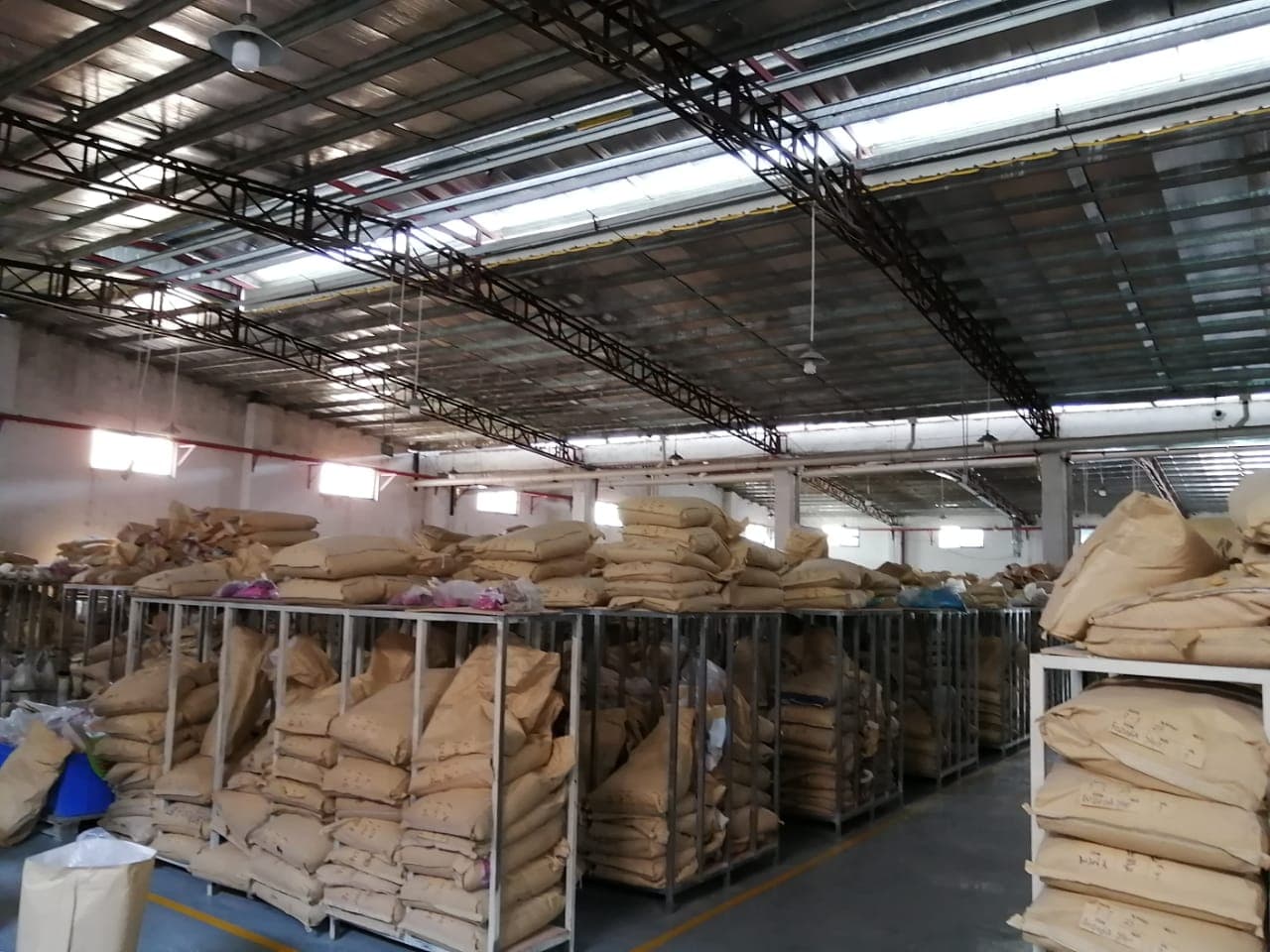
MLM Cosmetic's Bao'an cleanroom calcination halls operate continuous rotary kiln calcination at controlled atmosphere (nitrogen purge, < 50 ppm O₂) for TiO₂ and Fe₂O₃ nanocoating deposition onto both natural muscovite and synthetic fluorphlogopite substrates. Calcination temperature profiles (580–820°C depending on target TiO₂ phase: anatase vs. rutile) are PLC-controlled with ±5°C tolerance, ensuring consistent anatase-to-rutile phase transition timing that directly governs the final interference color and refractive index profile of each grade.
Coating thickness is the primary determinant of interference color. Our process engineers target TiO₂ optical thickness values in 10–15 nm increments across the visible spectrum (silver: ~60–80 nm; gold: ~80–100 nm; red: ~120–140 nm; blue: ~150–170 nm; green: ~180–200 nm), verified by cross-sectional TEM imaging on production qualification lots. Fe₂O₃ over-coating for bronze and copper-chroma grades is applied via aqueous precipitation and subsequent calcination at 650–700°C.
For chameleon/color-shift grades, alternating low/high refractive index layer stacks (SiO₂/TiO₂) are deposited using sol-gel wet chemical deposition followed by staged calcination, producing angular-dependent interference effects with 60°–15° color travel values of ΔE > 25 (Konica Minolta CM-700d measurement geometry).
Every production batch at MLM Cosmetic undergoes mandatory heavy metal quantification using our in-house Agilent 7800 ICP-MS system prior to release. Sample preparation follows EPA Method 3052 closed-vessel microwave-assisted acid digestion: 0.25 g sample dissolved in HNO₃/HF mixed acid matrix (9:1 v/v), microwave ramped to 180°C at 800 W, held 10 minutes, cooled, diluted to 50 mL with ultrapure 18.2 MΩ·cm water. Calibration is performed using NIST-traceable multi-element standards at 5-point calibration curves (r² > 0.9999). Each analytical run includes a certified reference material (NIST SRM 2711a Montana Soil) and a method blank.
Batch-specific quantified limits (per-batch COA, not generic range citations):
| Element | MLM Cosmetic Limit | Detection Method | Regulatory Benchmark |
|---|---|---|---|
| Lead (Pb) | < 2.0 ppm | ICP-MS, EPA 3052 | FDA 21 CFR § 73; EU 1223/2009 Annex II |
| Arsenic (As) | < 1.0 ppm | ICP-MS, EPA 3052 | EU 1223/2009 Article 17 |
| Mercury (Hg) | < 1.0 ppm | ICP-MS, EPA 3052 | MoCRA; EU 1223/2009 |
| Cadmium (Cd) | < 1.0 ppm | ICP-MS, EPA 3052 | EU 1223/2009 Annex II |
| Antimony (Sb) | < 0.5 ppm | ICP-MS, EPA 3052 | EU 1223/2009 Article 17 |
This per-batch quantification — not generic lot-level citation — is what distinguishes analytically defensible supply chain documentation from broker-grade COA paperwork.
MLM Cosmetic's high-speed rotary slitting lines operate with ±0.005 mm tooling tolerance on hardened carbide cutting edges, producing passivated, burr-free hexagonal and square cut geometries in 0.004" (100 µm) to 0.008" (200 µm) PET and biodegradable cellulose acetate substrates. Burr-free edge geometry is critical for ocular and eyelid-proximate applications: sharp edge artifacts cause mechanical irritation at the corneal margin and are a primary cause of glitter-related adverse event reports. Post-slitting edge passivation is confirmed by SEM imaging at 500× magnification on qualification lots.
All 1 kg trial pilot pouches are constructed from 4-layer aluminum foil laminate (PET/Al foil/LDPE/heat-seal layer) with measured moisture vapor transmission rate (MVTR) < 0.5 g/m²/day at 38°C/90% RH (ASTM F1249 test method). Pouches are nitrogen-backfilled to < 0.5% residual O₂ prior to heat sealing, preventing TiO₂ surface oxidation state drift and moisture-induced agglomeration during transit and storage. 25 kg bulk drums are UN-rated poly-lined fiberboard with desiccant sachets (silica gel, 50g per drum) and nitrogen purge prior to lid sealing.
Shade matching is performed on a Konica Minolta CM-700d spectrophotometer (d/8° geometry, SCI+SCE, D65/10° illuminant/observer). Target shade matching against customer-supplied physical standard or digital L*a*b* specification is achieved to Delta E (ΔE₀₀) < 0.8 — the threshold below which color difference is imperceptible to trained colorists under standard viewing conditions. This precision is relevant for multi-SKU palette development where inter-shade visual harmony must be maintained across production lots.
Stage 1 — Sample Request & Documentation Review (Days 1–2): Request the complimentary 50g qualification sample kit. Upon receipt (48-hour worldwide air express dispatch), review the included batch-specific COA (ICP-MS quantified values), Technical Data Sheet (particle size D10/D50/D90, oil absorption, refractive index, aspect ratio), and SDS (GHS-compliant, Section 8 OEL data). Confirm INCI name, CI number,
MLM Cosmetic Pigments (Shenzhen Meilianmei Technology Development Co., Ltd.) is an upstream primary manufacturer of cosmetic effect pigments, synthetic mica powders, optical chameleon flakes, and biodegradable glitter. The US FDA does not certify or approve cosmetic raw material facilities or finished cosmetics. Intended use suitability (eye area, lip area, wash-off vs leave-on) depends on SKU-specific colorant listings (21 CFR § 73/74) and target market regulations. Batch test documentation on request (TDS, SDS, and in-house Agilent 7800 ICP-MS heavy metal reports: Lead < 2ppm, Arsenic < 1ppm, Mercury < 1ppm) is provided to assist finished product safety evaluations conducted by qualified safety assessors through pilot testing.
Target Formulation Material:
Merck vs BASF vs MLM Cosmetic: Lead Times, 1kg Pilot MOQ & Heavy Metal Testing Comparison (2026 Formulator Guide)
Includes 50g sealed lab pouch, lot-specific COA, Technical Data Sheet (TDS), and ISO 22716 regulatory package.
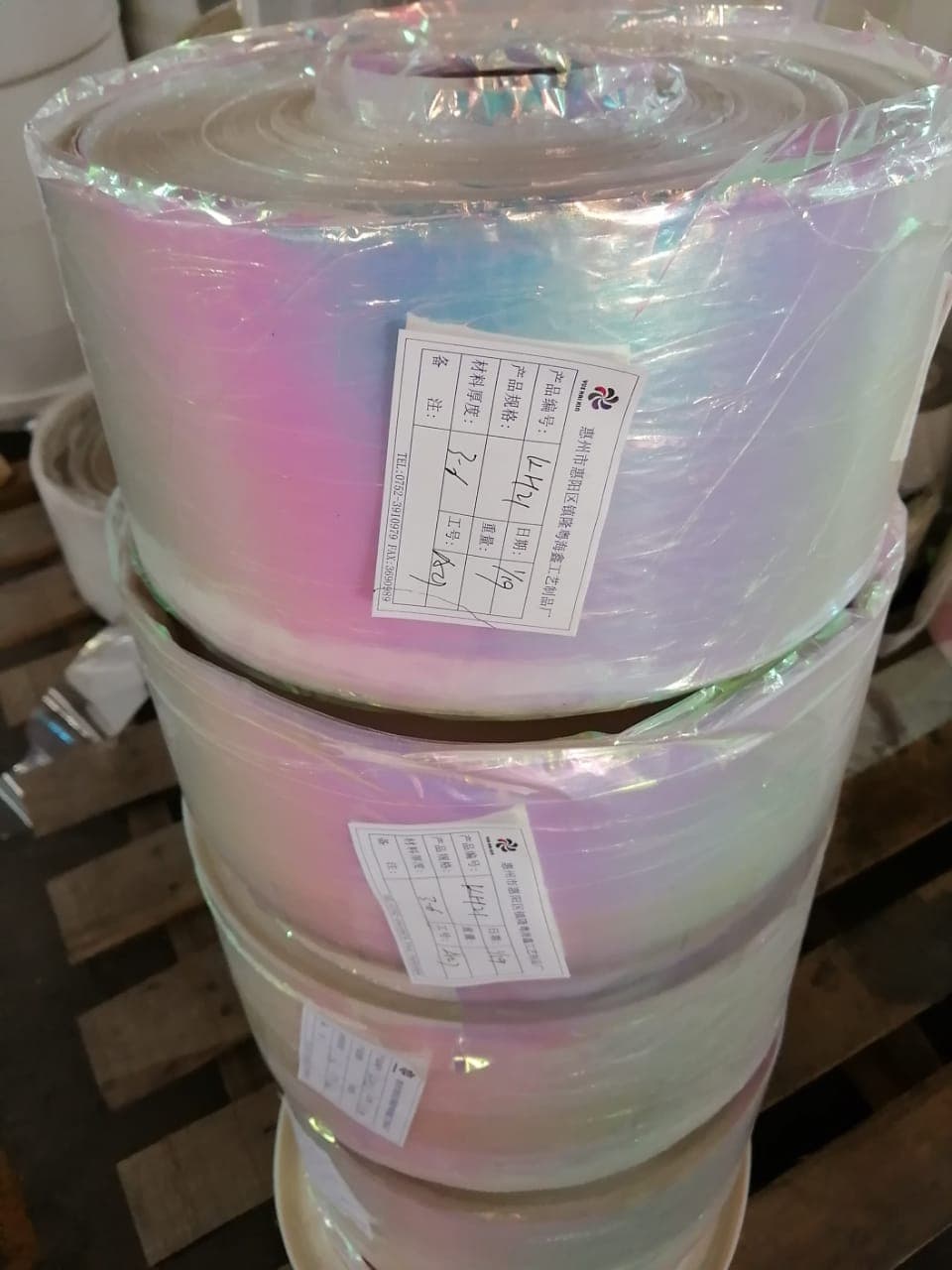
Whether formulating eyeshadow palettes, lip glosses, nail polishes, or compounding industrial epoxy resin, start with our 1kg low trial MOQ or complimentary 50g qualification sample with complete TDS and batch COA.