
Loading...
⚡ 1kg Low MOQ · Factory Direct Glitter & Mica⚡ Source Factory Direct Wholesale · Custom Loose Glitter & Mica Pigments · 1kg Low Trial MOQ · 48h Free 50g Lab Samples
mlmcustom@mlmcosmetic.com⚡ 1kg Low MOQ · Factory Direct Glitter & Mica⚡ Source Factory Direct Wholesale · Custom Loose Glitter & Mica Pigments · 1kg Low Trial MOQ · 48h Free 50g Lab Samples
mlmcustom@mlmcosmetic.comLoading...
B2B technical guide comparing Natural Mica vs Synthetic Fluorphlogopite in cosmetics: heavy metals, EU Annex XVII compliance, and formulation stability.
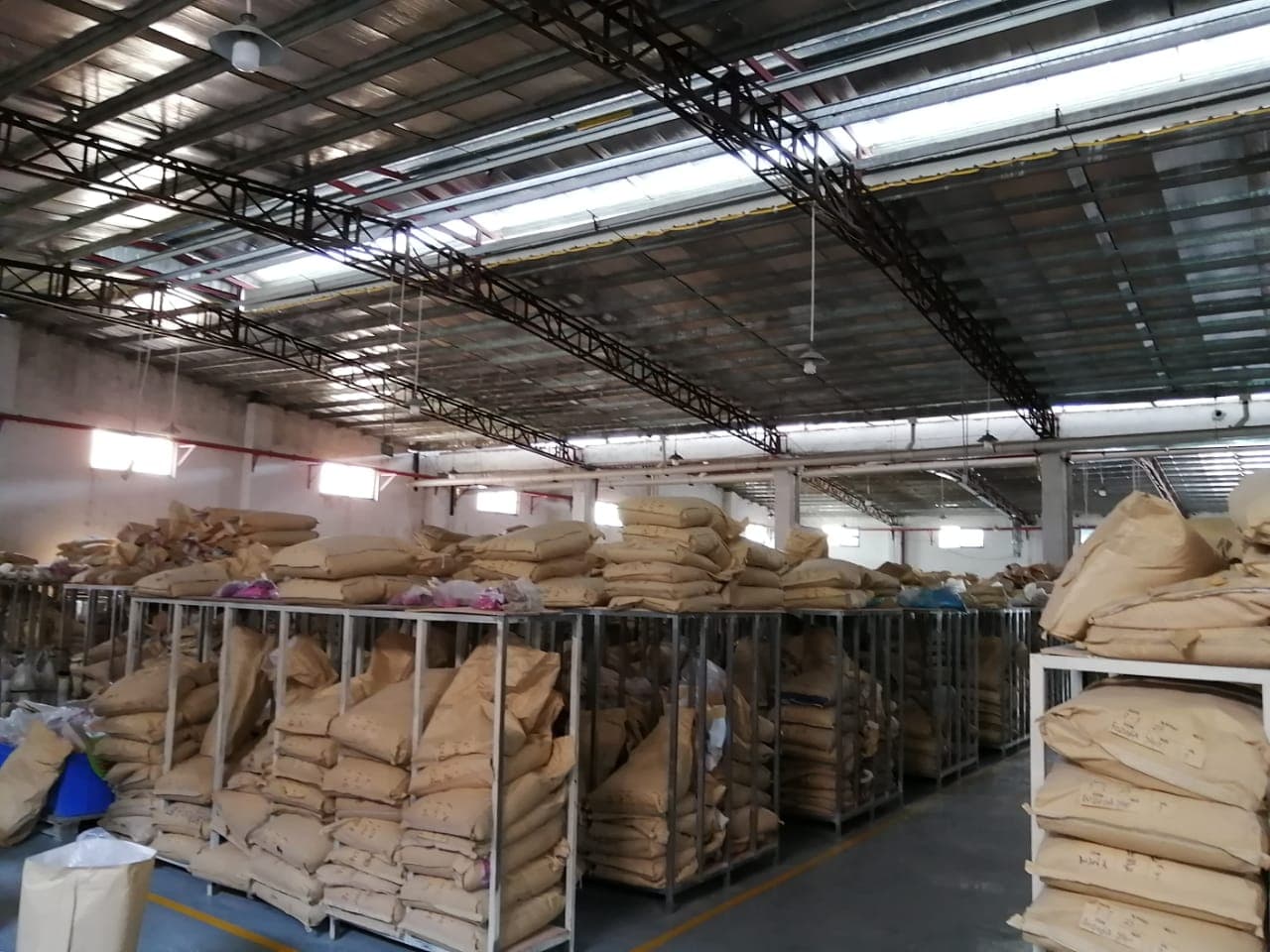
As brand technical directors and senior R&D chemists navigate increasingly complex global regulations and consumer demands for high-performance color cosmetics, selecting the ideal effect pigment substrate is critical. The industry face-off between natural mica (muscovite) and synthetic fluorphlogopite (synthetic fluorophlogopite) involves strict parameters around optical purity, heavy metal limits, particle size distribution, and regulatory status. At MLM Cosmetic's OEM raw material synthesis facility in Shenzhen, we evaluate substrate performance across diverse vehicle systems ranging from anhydrous hot-pours to high-solvate nail lacquers. To explore our standardized substrate offerings, view our Bulk Cosmetic Mica Powder solutions.
This technical guide evaluates the physical, chemical, rheological, and regulatory distinctions between natural mica and synthetic fluorphlogopite to assist cosmetic formulators and procurement teams in making data-driven decisions.
Natural mica is a mined aluminosilicate mineral ($KAl_2(AlSi_3O_{10})(OH)_2$). Because it is naturally derived, it inherits background trace mineral impurities from granite pegmatites. These trace iron oxides ($Fe_2O_3$), titanium species, and heavy metals introduce a native grayish-yellow undertone. Natural mica flakes exhibit variable sheet thickness (typically 200–500 nm per flake), resulting in minor light scattering and a warm, low-transparency base. Its refractive index ranges between 1.56 and 1.59.
Synthetic fluorphlogopite ($KMg_3AlSi_3O_{10}F_2$) is synthesized under controlled high-temperature electric arc furnace fusion (exceeding 1,500°C). By replacing hydroxyl groups ($OH^-$) with fluorine ions ($F^-$), crystal lattice defects are minimized. The result is a colorlessly transparent, iron-free substrate flake with smooth parallel surfaces. Its refractive index sits at 1.54–1.55. When coated with metal oxides ($TiO_2$, $Fe_2O_3$, $Fe_3O_4$), synthetic fluorphlogopite delivers significantly higher chroma, superior sparkle reflectivity, and clean skin feel without undertone interference.
Cosmetic effect substrates function across particle sizes ranging from micro-fine pearls (0.05mm / ~50µm down to 5µm) up to chunky decorative flakes (3.0mm, 1/8" down to 1/128"). Physical parameters dictate processing mechanics:
Formulators frequently encounter unexpected technical hurdles when transitioning between natural and synthetic substrates or maneuvering microplastic bans. The primary gaps include:
Natural mica flakes possess uneven, jagged edges due to milling, creating irregular hydrodynamic drag. Synthetic fluorphlogopite exhibits uniform, smooth-edged planar geometries. Under Stokes' Law ($v = \frac{2gr^2(\rho_p - ho_f)}{9\eta}$), synthetic fluorphlogopite's uniform aspect ratio yields predictable settling rates. Formulators replacing natural mica with synthetic fluorphlogopite without adjusting thickeners (e.g., Hectorite clays or Xanthan Gum) often experience phase separation due to the higher density ($\approx 2.8 g/cm^3$) and clean planar slippage of synthetic flakes.
When pigment surface coatings use non-compliant dye lakes or poorly crosslinked polymers, exposure to ethyl acetate/butyl acetate solvents causes dye leaching, matrix clouding, and color shifting. Synthetic fluorphlogopite coated with inorganic metal oxides ($TiO_2/Fe_2O_3$) exhibits zero solvent extraction, preserving clarity over time.
Under EU Regulation (EC) No 1223/2009 and the REACH Annex XVII microplastic restriction, synthetic solid polymer glitters (such as standard non-degradable PET) are restricted in cosmetics. Formulators must distinguish between synthetic organic polymers and synthetic inorganic minerals. Synthetic fluorphlogopite is an inorganic mineral salt (fluorinated silicate), entirely exempt from the microplastic ban. Furthermore, for decorative flake formulations requiring biodegradable compliance, switching to regenerated cellulose or synthetic mica substrates ensures compliance without compromising aesthetic impact.
| Parameter | Natural Mica (Muscovite) | Synthetic Fluorphlogopite | Regenerated Cellulose | Standard PET Film |
|---|---|---|---|---|
| Chemical Formula | $KAl_2(AlSi_3O_{10})(OH)_2$ | $KMg_3AlSi_3O_{10}F_2$ | Regenerated Plant Cellulose | Polyethylene Terephthalate |
| Refractive Index | 1.56 – 1.59 | 1.54 – 1.55 | 1.52 – 1.54 | 1.57 – 1.65 |
| Particle Size Range | 0.05mm – 0.5mm (5–500µm) | 0.05mm – 3.0mm (5–3000µm) | 0.05mm – 3.0mm (1/128"–1/8") | 0.05mm – 3.0mm (1/128"–1/8") |
| Heat Resistance | Up to 800°C | Up to 1000°C (Coated: 160–200°C) | Up to 180°C | Up to 110–130°C |
| Solvent Bleed (Nail Systems) | Excellent (Inert) | Excellent (tested high bleed resistance) | Good (System Specific) | Poor (Swells in Acetate) |
| Lead ($Pb$) Limits (ICP-MS) | $< 10\text{ ppm}$ | $< 2\text{ ppm}$ | $< 2\text{ ppm}$ | $< 5\text{ ppm}$ |
| Arsenic ($As$) Limits (ICP-MS) | $< 2\text{ ppm}$ | $< 1\text{ ppm}$ | $< 1\text{ ppm}$ | $< 2\text{ ppm}$ |
| Mercury ($Hg$) Limits (ICP-MS) | $< 1\text{ ppm}$ | $< 1\text{ ppm}$ | $< 1\text{ ppm}$ | $< 1\text{ ppm}$ |
| EU Annex XVII Status | Exempt (Natural Mineral) | Exempt (Inorganic Mineral) | Compliant (Bio-based Polymer) | Restricted Microplastic |
| Standard MOQ | 25 kg | 1 kg (Stock) / 25 kg (Bulk) | 5 kg | 25 kg |
| Production Lead Time | 7–14 Days | 3–5 Days | 7–10 Days | 5–7 Days |
Under the Modernization of Cosmetics Regulation Act (MoCRA), brand owners must maintain safety substantiation and limit toxic contaminants. Synthetic fluorphlogopite's controlled manufacturing guarantees ultra-low heavy metal profiles ($Pb < 2\text{ ppm}$, $As < 1\text{ ppm}$, $Hg < 1\text{ ppm}$), simplifying batch testing, analytical verification, and safety dossier submissions.
No. EU Regulation 2023/2055 targets synthetic, insoluble organic polymers. Synthetic fluorphlogopite is classified as a synthetic inorganic mineral crystal structure, making it fully compliant for leave-on and rinse-off cosmetic applications across the European Union.
Yes. Due to its smoother planar surface and consistent particle geometry, synthetic fluorphlogopite exerts lower shear resistance in liquid emulsions. Formulators may need to adjust rheology modifiers (such as synthetic hectorites or polyacrylates) by 0.1%–0.3% to maintain target suspension yield values.
Yes. Synthetic fluorphlogopite substrates coated with titanium dioxide or iron oxides are completely insoluble and non-reactive in ethyl acetate, butyl acetate, nitrocellulose, and isopropyl alcohol. They will not bleed, leach, or soften in nail polish systems.
MLM Cosmetic supports both scaling indie brands and international enterprises. Standard stock grades have an MOQ of 1 kg, while customized batch colors carry a 25 kg MOQ. Sample kits ship within 48 hours, and custom synthesis lead times range from 3 to 5 business days.
Transitioning your product line to pure, compliant, high-chroma effect pigments requires rigorous quality assurance and analytical stability testing. MLM Cosmetic operates certified synthesis lines in Shenzhen, delivering high-purity synthetic mica, natural mica, and eco-friendly decorative flakes tailored to global compliance frameworks. To explore compliant film-based or mica alternative glitter lines, review our Cosmetic Grade Biodegradable Glitter catalog.
For technical documentation, Certificate of Analysis (CoA) requests, ICP-MS heavy metal reports, or custom sample matching, contact our engineering team directly:
Disclaimer: Technical data and regulatory references provided herein (including EU Regulation 2023/2055, EU Regulation 1223/2009, and US FDA MoCRA) are based on current legislative texts and laboratory test parameters for raw materials manufactured by MLM Cosmetic. This documentation is intended solely to support independent brand formulators and Responsible Persons in compiling their Cosmetic Product Safety Reports (CPSR) and product filings. Final formulation compliance, toxicological risk assessment, and finished product registration remain the responsibility of the brand owner.
Looking for custom formulation or laboratory testing samples? Contact our MLM Cosmetic technical engineering team or request a free sample kit directly.
Target Formulation Material:
Natural Mica vs Synthetic Fluorphlogopite Cosmetic Grade Guide
Includes 50g sealed lab pouch, lot-specific COA, Technical Data Sheet (TDS), and ISO 22716 regulatory package.
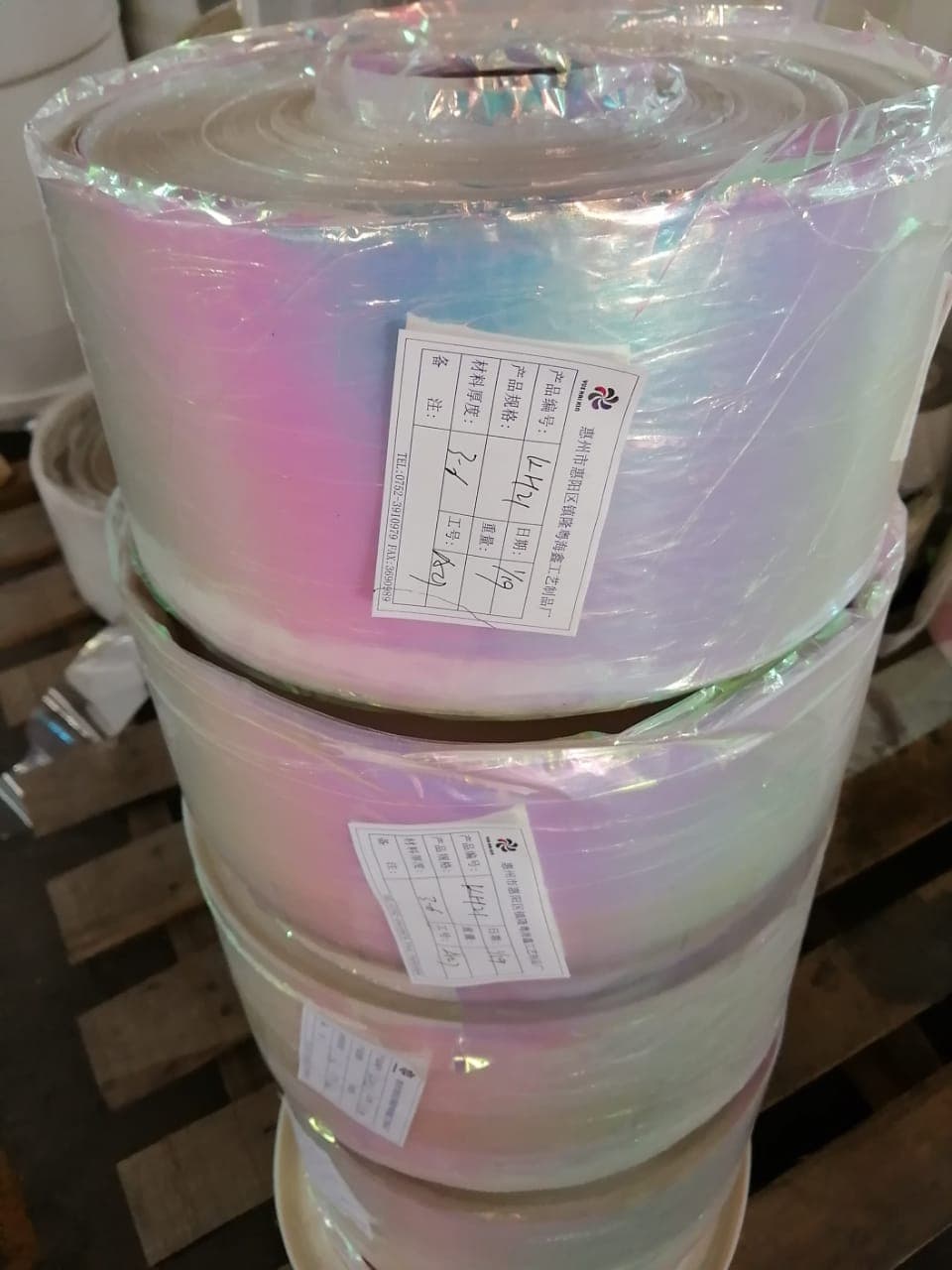
Whether formulating eyeshadow palettes, lip glosses, nail polishes, or compounding industrial epoxy resin, start with our 1kg low trial MOQ or complimentary 50g qualification sample with complete TDS and batch COA.