
Loading...
⚡ 1kg Low MOQ · Factory Direct Glitter & Mica⚡ Source Factory Direct Wholesale · Custom Loose Glitter & Mica Pigments · 1kg Low Trial MOQ · 48h Free 50g Lab Samples
mlmcustom@mlmcosmetic.com⚡ 1kg Low MOQ · Factory Direct Glitter & Mica⚡ Source Factory Direct Wholesale · Custom Loose Glitter & Mica Pigments · 1kg Low Trial MOQ · 48h Free 50g Lab Samples
mlmcustom@mlmcosmetic.comLoading...
Technical comparison of PET vs biodegradable cellulose glitter: ICP-MS data, solvent resistance, thermal thresholds, and formulation failure modes for cosmetic chemists.
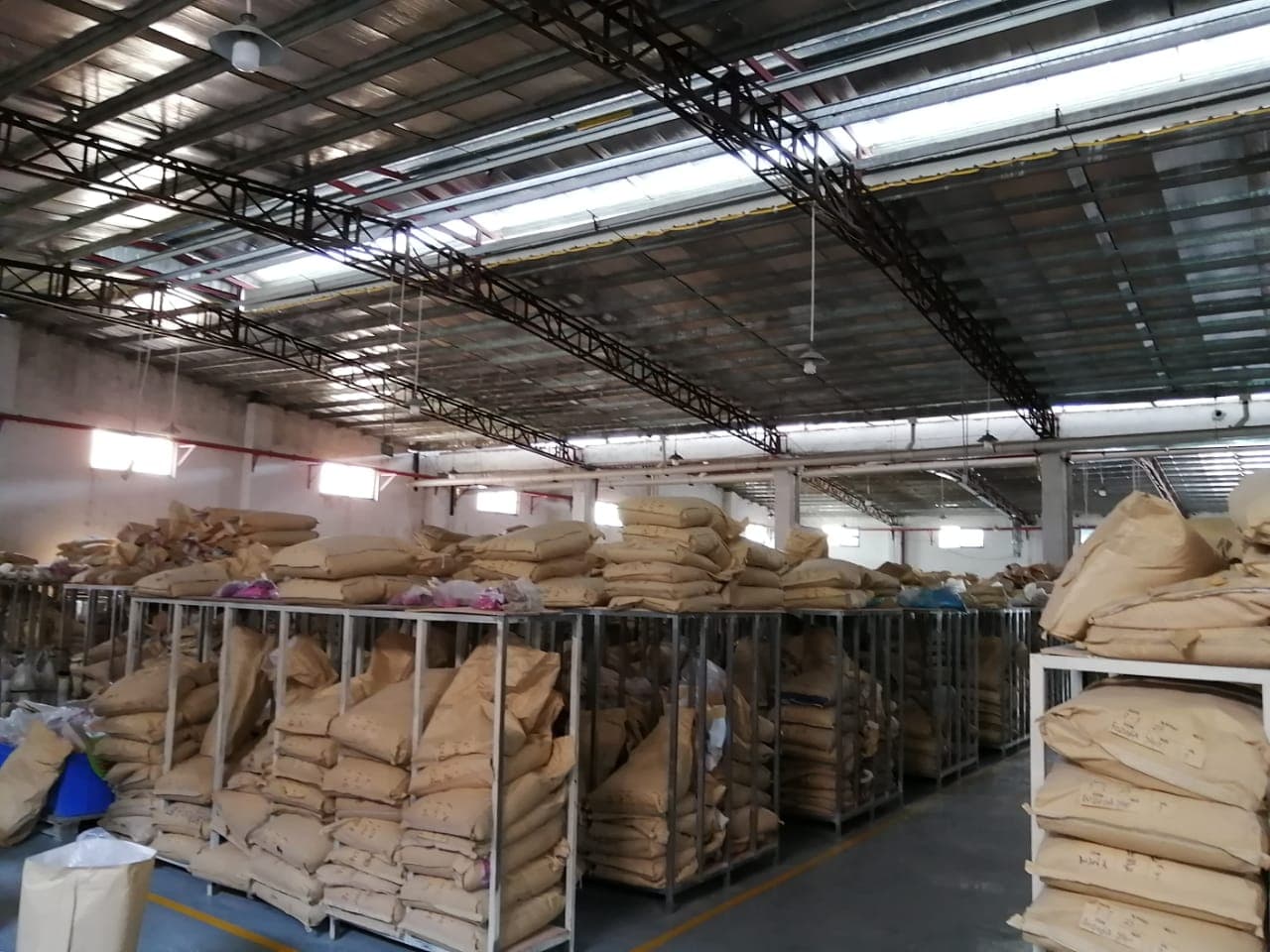
If you are reformulating a body gel, nail lacquer, or pressed powder that currently uses conventional PET glitter, you already know the regulatory clock is ticking. EU Regulation 2023/2055 (amending REACH Annex XVII, Entry 78) phases out intentionally added synthetic polymer microparticles under 5 mm in leave-on cosmetics, with the transition timeline tightening through 2029. Meanwhile, US FDA MoCRA facility registration requirements are forcing every contract manufacturer and brand owner to tighten batch documentation and safety substantiation.
But here is where I watch formulators stumble—sometimes badly—on our production floor in Shenzhen: they assume swapping PET for regenerated cellulose glitter is a straight 1:1 substitution. It is not. The substrate chemistry, the coating architecture, and the downstream behavior in your specific vehicle are different enough that a careless swap will cost you a failed stability batch, or worse, a retail recall due to dye migration or sedimentation failure in the package.
This document is written chemist-to-chemist. I am going to walk through the substrate architecture, the real thermal and solvent boundaries we measure in our lab, the formulation failure modes we have personally debugged for customers, and the QC gating protocol we recommend before you commit to a 500 kg production run.
Conventional cosmetic-grade glitter starts as biaxially oriented polyethylene terephthalate (BOPET) film. The biaxial orientation step is what gives PET glitter its mechanical toughness and optical clarity—stretching the film in both the machine direction and transverse direction aligns the polymer chains, increasing crystallinity to roughly 35–45%. That crystallinity is directly responsible for the high refractive index (~1.575) and the crisp, mirror-like reflectance that formulators love.
The film is vacuum-metallized with aluminum (typically 40–60 nm deposition thickness), then overcoated with colorant layers—usually solvent-based polyurethane or epoxy systems loaded with CI-listed pigments or dyes. The finished film is slit on high-speed rotary knives.
A practical note on slitting: knife condition matters more than most procurement teams realize. Worn or poorly aligned rotary slitting blades produce micro-burrs along the cut edges of each particle. Under 40× magnification, burred particles look ragged, and in anhydrous stick formulations (lipstick, highlighter sticks), those burrs can act as nucleation points for wax bloom or create a scratchy skin feel. When you evaluate a new PET glitter supplier, always request a sample inspection under magnification. If the cut edges are not clean hexagons or squares, the slitting line needs maintenance. We reject internal batches that show burr rates above 3% under 40× optical inspection.
Biodegradable cellulose glitter uses regenerated cellulose film—most commonly derived from sustainably managed eucalyptus hardwood pulp via a modified viscose or lyocell-type process. The resulting film is fundamentally different from BOPET:
The metallization layer is typically aluminum, same as PET, though some grades use high-refractive-index metal oxide layers (TiO₂ or iron oxide) for non-metallic color effects.
We test thermal resistance by placing glitter samples on a heated aluminum block (calibrated ±1°C) and observing onset of curl, color shift, and substrate deformation under a stereo microscope at 20× magnification. Here is what we actually see:
| Substrate | Onset of Curl/Deformation | Color Shift Onset | Structural Failure |
|---|---|---|---|
| BOPET (PET) | 175°C–185°C | 190°C–200°C | >210°C |
| Regenerated Cellulose (cross-linked topcoat) | 130°C–140°C | 145°C–155°C | >165°C |
| Regenerated Cellulose (basic topcoat) | 105°C–115°C | 120°C–130°C | >140°C |
What this means on your production line: If you are pouring lipstick or lip balm at a mold temperature of 75–85°C, both PET and quality cellulose glitters survive without issue. But if your hot-pour process involves a holding tank where bulk wax blend sits at 90–95°C for extended dwell times (common in high-volume rotary filling), lower-grade cellulose glitters can start softening after 45–60 minutes of sustained exposure. We have seen batches where the glitter particles curled into tiny tubes inside the lipstick bullet—visible to the naked eye as dull specks instead of bright flakes. The fix is either upgrading to a cross-linked-topcoat cellulose grade or reducing your holding tank dwell time below 30 minutes at that temperature.
For nail lacquer manufacturing, the solvent flash-off during spray or brush application is not the problem. The problem is storage. Nail lacquer sits in a bottle for 12–36 months at ambient warehouse temperatures. Over that shelf life, solvent penetration through a weak cellulose glitter coating will cause dye migration into the lacquer vehicle, turning a clear base pink or gold. More on this below.
We run solvent immersion tests per an internal protocol adapted from ASTM D543. Glitter particles are immersed in the target solvent at 25°C for 72 hours, then evaluated for: (1) dye bleed into the supernatant (visual + spectrophotometric), (2) substrate dimensional change, (3) coating adhesion (cross-hatch tape pull on flat film analog).
| Solvent System | PET Glitter | Cellulose (Cross-linked Topcoat) | Cellulose (Basic Topcoat) |
|---|---|---|---|
| Water (DI) | Pass | Pass | Pass (slight edge swell at 168h) |
| Ethanol (95%) | Pass | Pass | Marginal (faint dye bleed at 48h) |
| Isopropyl Myristate | Pass | Pass | Pass |
| Ethyl Acetate (EtOAc) | Pass | Marginal (no bleed, slight softening) | Fail (dye bleed at 8h, curl at 24h) |
| Butyl Acetate (BuOAc) | Pass | Marginal (no bleed, slight softening) | Fail (dye bleed at 4h, severe curl) |
| Acetone | Pass | Fail (coating dissolution at 12h) | Fail (immediate substrate attack) |
Bottom line for nail lacquer formulators: If your vehicle is butyl acetate / ethyl acetate based (most conventional nail polishes), only PET glitter or the highest-grade cross-linked cellulose glitter will survive. And even with top-grade cellulose, you need to run a 12-week accelerated stability test at 40°C/75% RH to confirm zero dye migration. We supply both substrates and will tell you honestly: for solvent-based nail lacquer with a 24-month shelf life target, PET remains the more reliable substrate today. Water-based peel-off nail formulas are a different story—cellulose works well there.
This table reflects our direct lab experience across customer formulations. "Works" means we have stability data at 12 weeks / 40°C. "Caution" means it can work with rheological or process adjustments. "Avoid" means we have seen failures.
| Application Type | PET Glitter | Bio-Cellulose (Premium Grade) | Key Adjustment Required |
|---|---|---|---|
| Aqueous body gel (Carbomer-based) | Works | Works | Increase Carbomer to raise yield stress ~1.5–2.0 Pa to offset higher cellulose density (ρ ≈ 1.42–1.45 g/cm³ vs PET ρ ≈ 1.38 g/cm³). Stokes' Law settling velocity increases with Δρ. |
| O/W emulsion lotion | Works | Works | Verify suspension at low viscosity (<5000 cP Brookfield RVT, spindle #4, 20 rpm). May need xanthan or hectorite co-thickener. |
| Anhydrous lipstick / balm (hot pour 80–90°C) | Works | Caution | Keep holding tank dwell <30 min. Confirm glitter grade rated ≥140°C onset. |
| Pressed powder / eyeshadow | Works | Works | Watch electrostatic clumping in powder hoppers—cellulose picks up static charge more readily than PET. Ground your hopper, control RH at 45–55%. |
| Solvent-based nail lacquer (EtOAc/BuOAc) | Works | Caution / Avoid (grade-dependent) | Only cross-linked topcoat grades. Run 12-week accelerated stability. |
| Water-based peel-off nail | Works | Works | Good compatibility. Cellulose softens very slightly at edges after 72h immersion but remains visually acceptable. |
| Bath bombs / fizzing tablets | Works (but not biodegradable) | Works | Cellulose preferred for drain-safe marketing claims. Confirm OECD 301B or ISO 14851 biodegradation certificate. |
| Hair gel / styling product | Works | Works | Rinse-off category—EU microplastic restriction applies to PET here. Cellulose strongly recommended. |
Every production lot of glitter leaving our Shenzhen facility is gated by the following QC protocol. We provide full CoA documentation, and raw data is available on request for your safety assessor's files.
We run trace metal analysis on an Agilent 7800 ICP-MS after acid digestion (HNO₃/H₂O₂ microwave, EPA 3052 adapted). Our internal release limits—which are tighter than many regional requirements—are:
Antimony is worth a specific comment. PET is polymerized using antimony trioxide catalyst, and trace Sb remains in the finished film. Our BOPET film supplier controls Sb residual below 5 ppm in the finished glitter particle, but if you are sourcing PET glitter from an unknown factory, request Sb data specifically. Some low-cost PET films run 15–30 ppm Sb, which may trigger safety assessor concerns under EU Regulation 1223/2009 Article 17 impurity provisions.
We run ATR-FTIR (Shimadzu IRSpirit) on every incoming film lot to confirm substrate identity. PET shows characteristic ester carbonyl at ~1715 cm⁻¹ and C-O stretch at ~1245 cm⁻¹. Regenerated cellulose shows broad O-H stretch at ~3300 cm⁻¹ and C-O-C glycosidic linkage at ~1030 cm⁻¹. This is our first-line defense against substrate mislabeling—we have caught cases where a sub-supplier attempted to ship PET film labeled as cellulose.
Flat film samples are tested per ASTM D1003 for haze. Cosmetic-grade BOPET film should run below 2.0% haze. Cellulose film is inherently slightly hazier (typically 4–8%) due to lower crystallinity, which gives cellulose glitter a softer, less "sharp" sparkle compared to PET. This is not a defect—it is a substrate characteristic. Some brand owners actually prefer it for skin-care adjacent products where a harsh metallic flash feels off-brand.
Before you commit to a production-scale order, run these three tests. They take about two weeks and will save you from a failed batch.
Place 0.5 g of glitter in 20 mL of your finished vehicle (or the most aggressive solvent component in your formula) in a sealed glass vial. Hold at 25°C for 72 hours. Evaluate:
Kill criterion: Any visible dye bleed into the supernatant at 72h = reject that glitter grade for that vehicle.
Prepare 3× 50g lab batches of your finished formula with glitter incorporated at target loading (typically 0.5–3.0% w/w). Store sealed at 40°C/75% RH. Evaluate at Week 1, 2, and 4:
Before placing a bulk order, confirm the following documentation is available from your supplier:
Regulatory responsibility note: MLM Cosmetic supplies cosmetic raw materials and provides batch test documentation (CoA, ICP-MS, FTIR) upon request to support your brand filings. Finished formulation safety assessment—including toxicological evaluation, stability validation, and regulatory notification—remains the responsibility of the brand owner and their qualified safety assessor (EU Responsible Person or US MoCRA designated facility, as applicable).
I am not going to print exact per-kilo pricing here because it fluctuates with film resin costs, aluminum spot prices, and colorant complexity. But I can give you the structural cost picture that drives procurement decisions.
PET glitter benefits from decades of scaled BOPET film production. The raw film is cheap. Metallization is a mature, high-throughput process. Slitting is fast. Result: PET glitter is typically the lowest-cost option per kilogram, often 30–50% cheaper than equivalent-spec cellulose glitter.
Regenerated cellulose glitter costs more because: (1) the cellulose film itself is more expensive to produce than BOPET, (2) the cross-linked bio-coating systems required for solvent resistance add a processing step and material cost, and (3) production volumes are still scaling up industry-wide, so economies of scale have not fully matured. Expect a 40–80% cost premium over PET for a comparable size, color, and coating specification.
However—and this is where procurement directors need to think beyond unit cost—if your product is sold into the EU and falls under the REACH Annex XVII Entry 78 microplastic restriction, PET glitter is on a regulatory sunset path. The cost of reformulating later, re-registering on CPNP, re-running stability, and potentially recalling non-compliant inventory will dwarf the per-kilo savings you captured by staying on PET an extra year. Factor the regulatory transition cost into your total cost of ownership calculation.
MLM Cosmetic offers both PET and Cosmetic Grade Biodegradable Glitter with the following packaging and MOQ structure:
I have been formulating and troubleshooting glitter applications for over a decade. Here is my honest, unvarnished take:
PET glitter is still the superior performer in aggressive solvent systems (nail lacquer), high-temperature processes (wax melts above 95°C), and applications where maximum optical sharpness matters. If your market is not yet regulated against microplastics and your product category is exempt, PET remains a rational choice.
Cellulose glitter has matured significantly in the last three years. The premium cross-linked grades we produce now hold up in aqueous gels, emulsions, pressed powders, and water-based nail formulas with no issues. The softer sparkle aesthetic actually tests well in consumer panels for skincare-adjacent products. And the regulatory trajectory is unmistakable—the market is moving toward biodegradable, and building your formulation library on cellulose now means you are not scrambling to reformulate under deadline pressure later.
Do not cheap out on the coating. This is the single most common sourcing mistake I see. A procurement team finds cellulose glitter at a price point close to PET and thinks they have found a bargain. What they have found is a basic-topcoat grade that will fail in anything more aggressive than a water gel. The coating is where the engineering lives. Specify cross-linked topcoat, verify it with your solvent immersion test, and pay the premium. It is worth it.
If you want to run a head-to-head trial in your own lab, reach out to our technical sales team for 1 kg samples of both PET and cellulose in your target size and color. We will ship with full CoA, ICP-MS report, and FTIR spectrum. You do the benchtop work, make the call based on your own data. That is how good sourcing decisions get made.
Disclaimer: Technical data and regulatory references provided herein (including EU Regulation 2023/2055, EU Regulation 1223/2009, and US FDA MoCRA) are based on current legislative texts and laboratory test parameters for raw materials manufactured by MLM Cosmetic. This documentation is intended solely to support independent brand formulators and Responsible Persons in compiling their Cosmetic Product Safety Reports (CPSR) and product filings. Final formulation compliance, toxicological risk assessment, and finished product registration remain the responsibility of the brand owner.
Looking for custom formulation or laboratory testing samples? Contact our MLM Cosmetic technical engineering team or request a free sample kit directly.
Target Formulation Material:
PET Glitter vs Biodegradable Cellulose Glitter: Cost & Performance
Includes 50g sealed lab pouch, lot-specific COA, Technical Data Sheet (TDS), and ISO 22716 regulatory package.
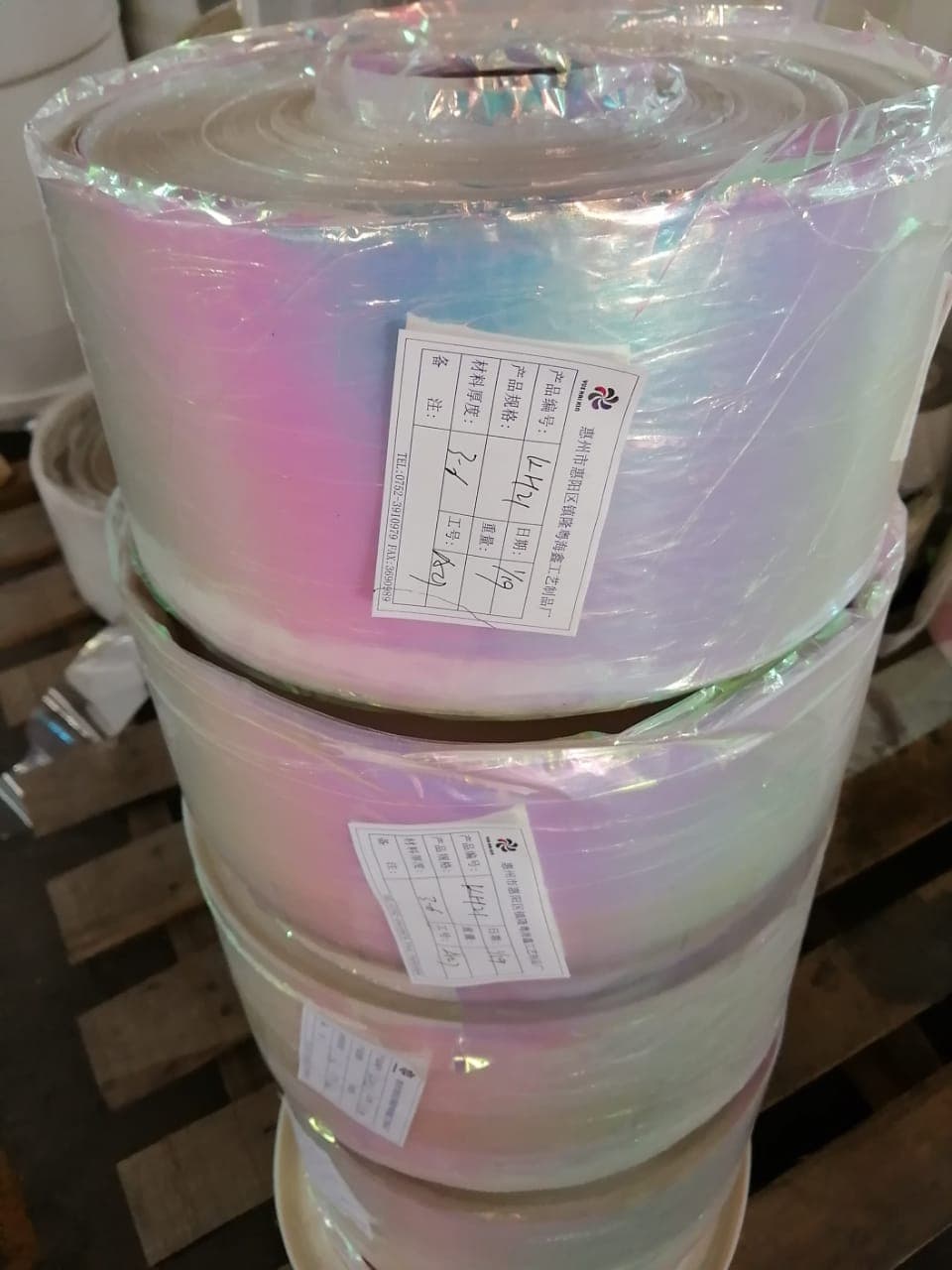
Whether formulating eyeshadow palettes, lip glosses, nail polishes, or compounding industrial epoxy resin, start with our 1kg low trial MOQ or complimentary 50g qualification sample with complete TDS and batch COA.