
Loading...
⚡ 1kg Low MOQ · Factory Direct Glitter & Mica⚡ Source Factory Direct Wholesale · Custom Loose Glitter & Mica Pigments · 1kg Low Trial MOQ · 48h Free 50g Lab Samples
mlmcustom@mlmcosmetic.com⚡ 1kg Low MOQ · Factory Direct Glitter & Mica⚡ Source Factory Direct Wholesale · Custom Loose Glitter & Mica Pigments · 1kg Low Trial MOQ · 48h Free 50g Lab Samples
mlmcustom@mlmcosmetic.comLoading...
Exact specs, regulatory evidence, and supplier comparison for REACH EU microplastics compliance in cosmetics. ICP-MS limits, particle size, MOQ, lead times.
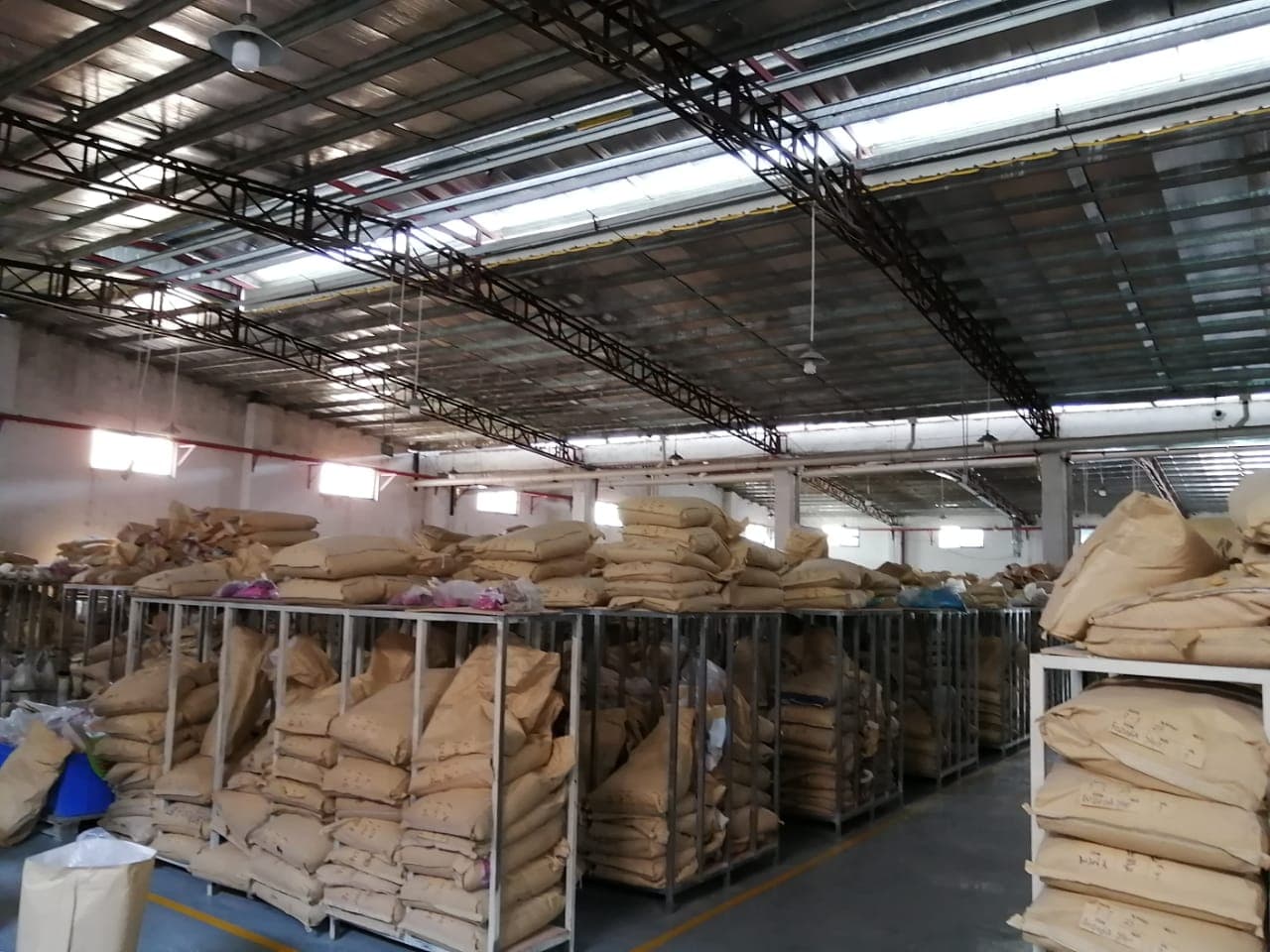
Published by MLM Cosmetic Technical Advisory | mlmcosmetic.com | Shenzhen, China
For cosmetic brand formulators and procurement managers navigating the rapidly tightening landscape of synthetic particle regulation, REACH EU microplastics compliance is no longer a future risk — it is an immediate formulation and sourcing obligation. The EU's restriction under REACH Annex XVII (Entry 78, effective October 2023, with phased enforcement through 2035) fundamentally redefines how glitter, effect pigments, and particulate carriers may be used in leave-on and rinse-off cosmetics placed on the European market. This guide provides mathematically precise specifications, regulatory evidence frameworks, and supplier qualification criteria to help your team make defensible, audit-ready decisions. If your current effect pigment portfolio includes Cosmetic Grade Biodegradable Glitter, understanding the technical thresholds that determine compliance versus liability is the single highest-ROI action you can take this quarter.
The restriction prohibits placing on the EU market synthetic polymer microparticles as substances on their own or in mixtures at concentrations ≥ 0.01% w/w. For cosmetics, the key enforcement phases are:
Compliance Evidence Package Required:
Under Article 10, the Responsible Person must hold a Cosmetic Product Safety Report (CPSR). Ingredient dossiers for effect pigments must include:
Note: SCCS (Scientific Committee on Consumer Safety) guidance notes that biodegradable alternatives must demonstrate equivalent safety — not merely the absence of synthetic polymer classification.
MoCRA does not yet impose a microplastics ban equivalent to REACH, but it mandates:
For US-EU dual-market brands, the ICP-MS certificate, biodegradation data, and particle characterization reports generated for REACH compliance simultaneously satisfy MoCRA's safety substantiation burden — making a unified compliance dossier the most efficient procurement strategy.
Most effect pigment suppliers in the current market fall into one of three compliance blind spots. Understanding these gaps allows procurement managers to qualify suppliers with precision.
Many biodegradable glitter alternatives — particularly cellulose-based particles — exhibit a density mismatch in aqueous emulsion systems (density: 1.27–1.35 g/cm³ vs. water at 1.00 g/cm³), leading to accelerated settling in low-viscosity serums and toners. Formulators compensate with carbomer or xanthan gum rheology modifiers, but incorrect particle geometry (irregular vs. hexagonal platelets) exacerbates the problem. Compliant particles should be specified with aspect ratio ≥ 5:1 and D50 particle size ≤ 200 µm for stable suspension in Newtonian systems below 5,000 cPs.
A critical and frequently overlooked failure mode: regenerated cellulose glitter with dye-coated surfaces may exhibit dye migration (bleeding) into ethyl acetate/butyl acetate nail lacquer systems within 48–72 hours of formulation. This is not a polymer compliance issue — it is a surface chemistry issue. Compliant glitter must use vacuum-metallized aluminum or inorganic pigment coatings rather than organic dye lakes to achieve solvent resistance. Always request a 72-hour bleed test report in 100% ethyl acetate before approving a supplier.
Several suppliers continue to market "eco glitter" products using a PET substrate with a thin cellulose outer layer, claiming the product is biodegradable. Under REACH Entry 78 technical guidance (ECHA, 2023), the core substrate determines polymer classification — a PET-core particle with a cellulose coating is NOT exempt. Procurement managers should require a full cross-section substrate declaration, not merely a surface chemistry certificate. Acceptable compliant substrates are: 100% regenerated cellulose (viscose), natural fluorophlogopite mica, borosilicate glass, or certified compostable PLA meeting EN 13432.
| Parameter | Biodegradable Cellulose Glitter | Synthetic Mica (Fluorophlogopite) | PET Standard Glitter (Non-EU) | MLM Cosmetic Compliant Grade |
|---|---|---|---|---|
| Substrate | Regenerated cellulose | Synthetic fluorophlogopite | PET | Regenerated cellulose / Natural mica |
| REACH Annex XVII Compliant | ✅ Yes | ✅ Yes (naturally occurring exemption) | ❌ No (EU leave-on ban 2027) | ✅ Yes |
| Particle Size Range | 0.05–3.0 mm (1/128"–1/8") | 0.05–1.5 mm | 0.05–3.0 mm | 0.05–3.0 mm (custom) |
| Heat Resistance | Up to 160°C | Up to 800°C | Up to 150°C | Up to 160°C–200°C |
| Ethyl Acetate Resistance | ✅ (inorganic coating) | ✅ | ✅ | ✅ (72hr bleed-test certified) |
| Butyl Acetate Resistance | ✅ | ✅ | ✅ | ✅ |
| Aqueous/Glycol Stability | ✅ | ✅ | ✅ | ✅ (pH 4.5–8.0, 40°C/12wk) |
| Pb (ICP-MS) | < 2 ppm | < 2 ppm | < 5 ppm (varies) | < 2 ppm (ISO 17025 cert) |
| As (ICP-MS) | < 1 ppm | < 1 ppm | Not always tested | < 1 ppm (ISO 17025 cert) |
| Hg (ICP-MS) | < 1 ppm | < 1 ppm | Not always tested | < 1 ppm (ISO 17025 cert) |
| Biodegradation Certificate | ISO 14851 / OECD 301B | N/A (mineral, not polymer) | ❌ None | ISO 14851 + OECD 301F |
| MOQ | 1 kg (R&D) / 25 kg (production) | 1 kg / 25 kg | 25 kg typical | 1 kg / 25 kg |
| Lead Time (stock) | 7–14 business days | 7–14 business days | 7–21 business days | 7–14 business days |
| Lead Time (custom) | 21–35 business days | 21–35 business days | 21–35 business days | 21–35 business days |
| CPSR Dossier Support | Varies | Varies | Rarely | ✅ Full TDS + SDS + CoA |
Q1: Does REACH Annex XVII Entry 78 apply to mica-based effect pigments?
Naturally occurring minerals, including muscovite mica, are exempt from the REACH microplastics restriction because they are inorganic and not synthetic polymers. Synthetic fluorophlogopite (lab-created mica) is also exempt as it is an inorganic silicate, not an organic polymer. However, if synthetic mica is coated with a polymer binder or encapsulated in a polymer matrix, the coating may trigger the restriction depending on its concentration and solubility. Always request a full ingredient declaration from your supplier.
Q2: What is the minimum particle size threshold for REACH microplastics regulation?
The REACH restriction applies to synthetic polymer particles where at least one dimension is ≤ 5 mm (5,000 µm). This covers the entire conventional cosmetic glitter range of 0.05 mm – 3.0 mm. There is no lower size exemption within this range — particles down to nanoscale synthetic polymers are also regulated under separate REACH nanomaterial provisions.
Q3: Can we use existing PET glitter stock for EU nail products until the 2029 deadline?
Yes — nail products containing synthetic polymer microparticles (including PET glitter) have a grace period until October 2029 under REACH Entry 78. However, procurement managers are strongly advised to begin reformulation now. Supply chain transitions for custom particle sizes and colors typically require 6–18 months, and early movers gain regulatory marketing advantages. Additionally, some EU member states may implement national measures ahead of the REACH deadline.
Q4: What documentation does MLM Cosmetic provide to support our CPSR and MoCRA substantiation?
MLM Cosmetic provides a complete compliance documentation package for each product, including: Certificate of Analysis (CoA) with ICP-MS heavy metals data from an ISO 17025-accredited third-party laboratory, Technical Data Sheet (TDS), Safety Data Sheet (SDS per GHS/CLP), biodegradation test report (ISO 14851 and/or OECD 301F), particle size distribution report (laser diffraction, ISO 13320), and substrate material declaration. This package is designed to be directly incorporated into your CPSR dossier and MoCRA safety substantiation file.
Q5: What is the minimum order quantity for compliance testing and R&D evaluation?
MLM Cosmetic offers a 1 kg MOQ specifically designed for formulation R&D and regulatory evaluation phases. This allows your team to conduct in-house stability testing, bleed testing, and suspension trials before committing to production quantities (25 kg MOQ). Free sample kits (up to 10 color/size variants, 5g each) are available for qualified brand formulators upon request.
Lip Gloss & Lip Gloss Toppers (Leave-On, EU 2027 deadline): Specify regenerated cellulose glitter, particle size 0.1–0.5 mm, with vacuum-metallized aluminum or TiO₂/iron oxide inorganic coating. Confirm compatibility with castor oil, isododecane, and polybutene carrier systems at 70°C processing temperature.
Eyeshadow Pressed Powder (Leave-On, EU 2027 deadline): Natural mica platelets (D50: 50–200 µm) with inorganic pigment coating are the preferred compliant substrate. Confirm Cr(VI) < 0.2 ppm — a frequently failed parameter in low-cost mica sources.
Body Lotion & Highlighter (Leave-On, EU 2027 deadline): For aqueous emulsion systems, specify cellulose glitter with D50 ≤ 150 µm and aspect ratio ≥ 5:1 to minimize settling. Use 0.3–0.5% carbomer 940 or 0.2% xanthan gum as suspension aid.
Nail Lacquer (Leave-On, EU 2029 deadline): For current formulations, PET glitter remains technically permissible until 2029. For future-proof reformulation, specify cellulose or borosilicate glitter with confirmed 72-hour bleed resistance in 100% ethyl acetate. Avoid any dye-lake surface coatings.
Achieving REACH EU microplastics compliance is a multi-dimensional engineering and procurement challenge — not merely a materials substitution exercise. The particle substrate, surface coating chemistry, size distribution, solvent compatibility, and documentary evidence chain must all be validated simultaneously. Brands that treat this as a checkbox exercise will face reformulation failures, CPSR rejection, or market withdrawal notices from EU Responsible Persons.
MLM Cosmetic's OEM manufacturing infrastructure in Shenzhen is specifically configured to support this compliance transition, with ISO 17025-partnered testing, custom particle size engineering across 0.05–3.0 mm, and full regulatory documentation support for EU and US markets. Whether you are sourcing Solvent Resistant Standard Glitter for near-term nail lacquer production or building a fully REACH-compliant effect pigment portfolio for 2027 leave-on product launches, our technical team is equipped to support your formulation and procurement requirements.
Supplier Qualification Checklist:
MLM Cosmetic — OEM Cosmetics Raw Material Factory 📍 Shenzhen, China | mlmcosmetic.com 📱 WhatsApp: +86 157 1218 6809 📧 Email: mlmcustom@mlmcosmetic.com
Contact our technical team to request your free sample kit (up to 10 variants), obtain a compliance documentation package, or discuss custom particle size and color development. Response within 1 business day guaranteed for qualified brand inquiries.
Disclaimer: Technical data and regulatory references provided herein (including EU Regulation 2023/2055, EU Regulation 1223/2009, and US FDA MoCRA) are based on current legislative texts and laboratory test parameters for raw materials manufactured by MLM Cosmetic. This documentation is intended solely to support independent brand formulators and Responsible Persons in compiling their Cosmetic Product Safety Reports (CPSR) and product filings. Final formulation compliance, toxicological risk assessment, and finished product registration remain the responsibility of the brand owner.
Looking for custom formulation or laboratory testing samples? Contact our MLM Cosmetic technical engineering team or request a free sample kit directly.
Target Formulation Material:
REACH EU Microplastics Compliance: B2B Formulator Guide
Includes 50g sealed lab pouch, lot-specific COA, Technical Data Sheet (TDS), and ISO 22716 regulatory package.
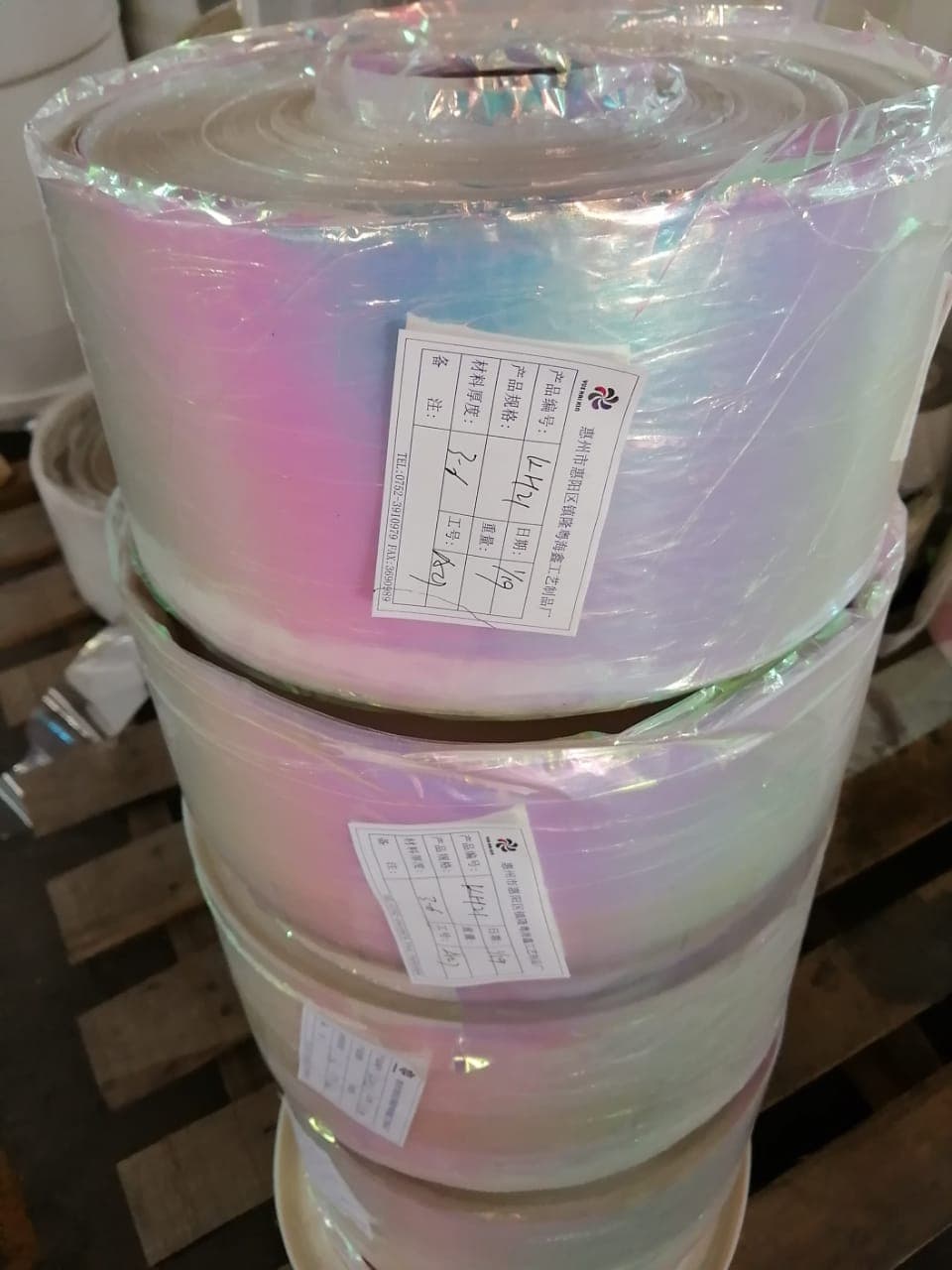
Whether formulating eyeshadow palettes, lip glosses, nail polishes, or compounding industrial epoxy resin, start with our 1kg low trial MOQ or complimentary 50g qualification sample with complete TDS and batch COA.