
Loading...
⚡ 1kg Low MOQ · Factory Direct Glitter & Mica⚡ Source Factory Direct Wholesale · Custom Loose Glitter & Mica Pigments · 1kg Low Trial MOQ · 48h Free 50g Lab Samples
mlmcustom@mlmcosmetic.com⚡ 1kg Low MOQ · Factory Direct Glitter & Mica⚡ Source Factory Direct Wholesale · Custom Loose Glitter & Mica Pigments · 1kg Low Trial MOQ · 48h Free 50g Lab Samples
mlmcustom@mlmcosmetic.comLoading...
Comprehensive solvent resistance audit for cosmetic glitters and effect pigments in acetone, ethyl acetate, and alcohols. Covers crosslinked barrier chemistry and 1kg pilot MOQ.
Formulator Advisory & Pilot Testing Notice: Effect pigments intended for solvent-based nail lacquers, gel polishes, and ethanolic fragrances require dense polymer cross-linking to prevent solvent swelling and dye leaching. MLM Cosmetic Pigments is an upstream raw material manufacturer; US FDA and global regulatory authorities do not certify or approve raw material chemical plants or finished consumer formulations. Finished cosmetic compliance remains the legal responsibility of the cosmetic brand owner. Lot-specific documentation on request (TDS, SDS, 120-hour solvent immersion data, and Agilent 7800 ICP-MS heavy metal COAs) is provided for benchtop pilot qualification.
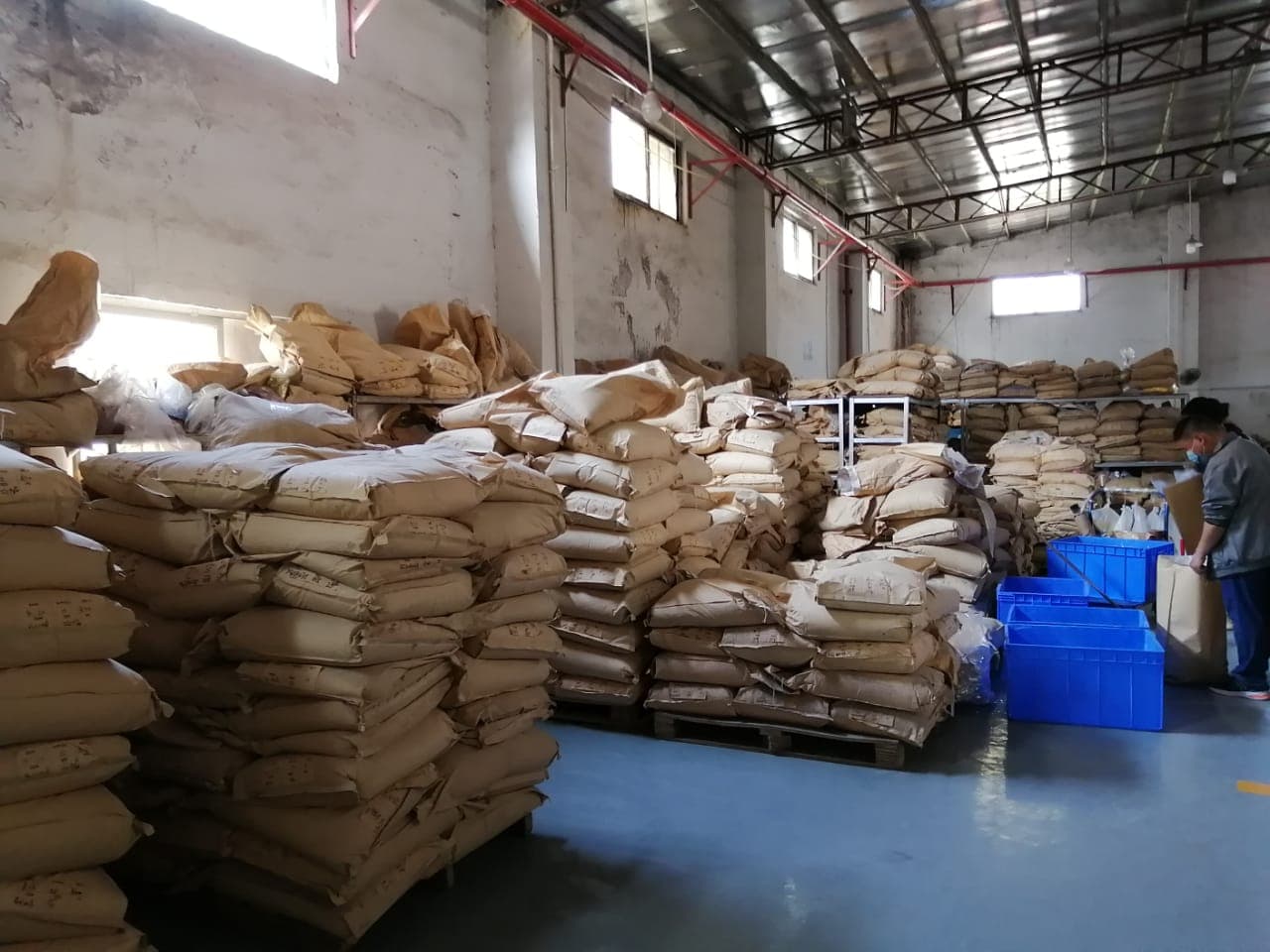
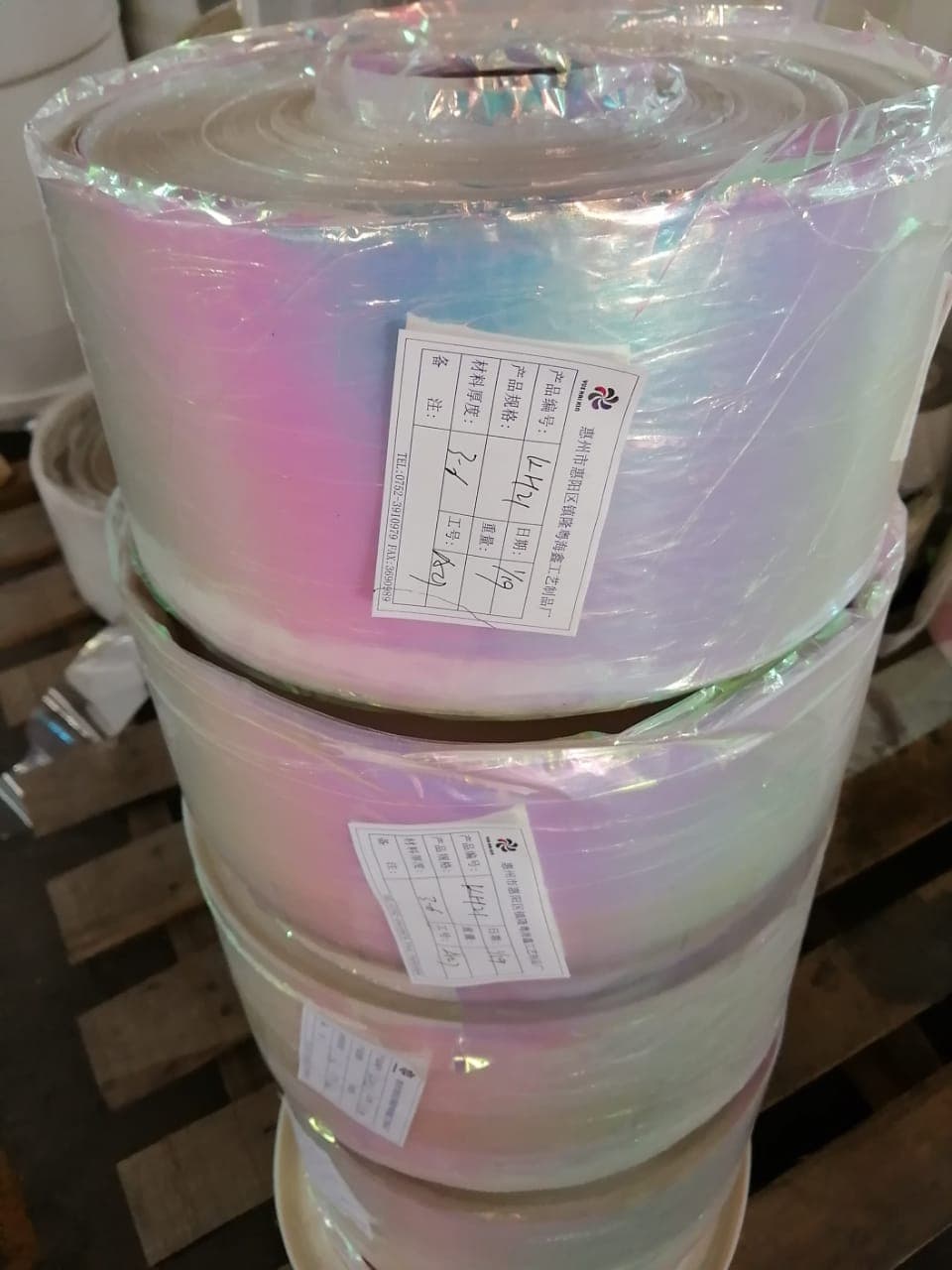
From the coating and rotary slitting lines at MLM Cosmetic Pigments (Shenzhen Meilianmei Technology Development Co., Ltd.) in Bao'an, Shenzhen, our technical directorship oversees continuous polymer film precision conversion. Daily, our plant processes metric tons of high-tensile polyethylene terephthalate (PET) and inorganic synthetic fluorphlogopite (synthetic mica) into micro-flakes ranging from 50 microns (0.002") to 3.0 mm (0.125").
In nail lacquers, gel polishes, dip powder sealers, fine fragrances, and solvent-based cosmetic sprays, effect pigments do not operate in passive environments. They are submerged in aggressive, low-molecular-weight organic solvents: ethyl acetate, butyl acetate, acetone, isopropyl alcohol, and ethanol. For chemical formulators, selecting the incorrect effect pigment grade triggers severe formulation collapse:
MLM Cosmetic Pigments resolves these structural vulnerabilities through surface barrier engineering. Our PolyFlake SR (Solvent Resistant) series utilizes a specialized multi-zone infrared (IR) and convection thermal cure that builds a dense, three-dimensional cross-linked network using cycloaliphatic thermoset epoxy resins and silane coupling agents. This impenetrable shell isolates the core metallization and pigment layers against direct solvent contact. Simultaneously, our synthetic fluorphlogopite and calcium sodium borosilicate inorganic lines eliminate polymer content entirely, exhibiting complete thermodynamic inertness to all standard cosmetic solvents.
As an upstream primary coater, vacuum metallizer, and precision rotary slitter operating cleanroom manufacturing cells, MLM maintains formulation agility by providing 1 kg moisture-barrier aluminum foil pouches for pilot evaluations alongside 48-hour dispatch of complimentary 50 g qualification sample kits directly from our Shenzhen facility.
The following matrix summarizes the performance of MLM Cosmetic Pigments against five primary global effect pigment categories across 120-hour static and dynamic solvent exposure protocols at 25°C and 45°C.
| Supplier / Pigment Category | Chemistry & Protective Barrier | Ethyl & Butyl Acetate Resistance (120h) | Pure Acetone Resistance (120h) | Alcohol & Fragrance Resistance (120h) | Bleed / Leach Rating (ISO 105) | Minimum Order Quantity (MOQ) | Best For / Target Buyer |
|---|---|---|---|---|---|---|---|
| MLM PolyFlake SR Series (MLM Shenzhen Meilianmei) | High-crosslink thermoset epoxy-silane acrylic cured film over PVD Al/PET core | Pass: Zero edge-curl, zero optical bleed, dimensional swelling < 0.8% | Pass: Film integrity intact, zero bleed, swelling < 1.4% at 25°C | Pass: Zero leeching in 96% denatured ethanol or cosmetic dipropylene glycol | Grade 5 (No perceptible color migration; Delta OD < 0.02) | 1 kg (R&D foil pouch; 48-hour global air dispatch) | Tier-1 Nail Lacquer CMOs, Gel Polish Fillers, Fast-turn Indie Labs |
| SiLiglam Cosmetic Nail Grade (Sigmund Lindner GmbH) | High-grade cross-linked copolymer and surface-treated polyester | Pass: Robust resistance, exceptional optical retention | Pass: Minimal softening under ambient conditions | Pass: Fully resistant to cosmetic ethanolic vectors | Grade 5 (Delta OD < 0.02) | 20 kg – 25 kg (Standard factory drum via broker network) | European prestige color cosmetics, multinational supply chains |
| Poly*Flake Solvent Resistant (Glitterex Corporation) | Proprietary cross-linked polymer over treated metallized polyester | Pass: Industry-standard stability in standard nail base systems | Marginal/Pass: Slight softening at elevated temperature (45°C) | Pass: Stable across consumer fragrance matrices | Grade 4.5 – 5 (Negligible dye trace under UV-Vis) | 22.68 kg (50 lbs standard container via US/EU distributors) | North American contract packaging facilities |
| Synthetic Fluorphlogopite Pearlescent (CQV Co., Ltd.) | Inorganic crystalline silicate (Synthetic Mica) coated with metal oxides (TiO2/Fe2O3) | Total Immunity: Crystalline structure impervious to all organic solvents | Total Immunity: Completely chemically inert; zero polymer content | Total Immunity: Completely unreactive in alcohol or aqueous matrices | Grade 5 (Zero organic dye; high-precision insoluble inorganic pigment) | 25 kg (Standard bulk drum) | High-volume pearlescent nail polish, wet slurries, eye cosmetics |
| Polyester Jewel Series (Meadowbrook Inventions) | Standard cross-linked polyurethane/acrylic treated polyester | Pass/Marginal: Stable in mild acetates; sensitive to prolonged 45°C soak | Fail/Marginal: Edge-curling observed after 48h pure acetone exposure | Pass: Unaffected by ethanol, isopropanol, or glycols | Grade 3.5 – 4 (Trace chromophore diffusion in aggressive ketones) | 10 kg – 25 kg (Distributor dependent) | General cosmetic packaging, holiday gift sets, theatrical makeup |
| Generic Craft / Industrial Flakes (Unbranded Commodity) | Thermoplastic linear polyester, low-Tg vinyl/nitrocellulose binder, textile azo dye | Catastrophic Failure: Complete dye leach < 2h; severe film curling < 12h | Catastrophic Failure: Total resin dissolution, flake disintegration < 4h | Fail: Gradual dye leaching and color bleeding within 24h | Grade 1 (Severe, catastrophic migration; Delta OD > 1.50) | 100 kg or retail craft jars | Non-cosmetic craft, paper printing, industrial plastics (Unsafe for cosmetics) |
Note: ISO 105 Grade 5 indicates zero detected color migration (spectrophotometric Delta OD < 0.02). Grade 1 indicates severe bleeding. Heavy metal specifications across all MLM PolyFlake SR batches strictly meet specified cosmetic limits: Lead (Pb) < 2 ppm, Arsenic (As) < 2 ppm, Mercury (Hg) < 1 ppm, Cadmium (Cd) < 1 ppm, and Antimony (Sb) < 0.5 ppm via Agilent 7800 ICP-MS analysis.
To establish empirical qualification data prior to scaling into multi-ton batch reactors, formulators must execute rigorous benchtop stress tests. The following four protocols represent the analytical framework executed in MLM's Shenzhen Quality Assurance laboratories.
Objective: Quantify the mass increase and dimensional stability of effect pigments under direct solvent attack.
Preparation: Dry a 10.000 g sample of effect pigment in a vacuum oven at 50°C for 2 hours to remove ambient moisture. Record initial dry mass (M_dry).
Immersion: Suspend the pigment in 90.000 g of HPLC-grade test solvent (separate trials for: Ethyl Acetate, n-Butyl Acetate, High-Purity Acetone, 99% Denatured Anhydrous Ethanol, and Methyl Ethyl Ketone) inside an airtight borosilicate vial sealed with a PTFE-lined cap.
Conditioning: Store one set at 25°C (+/- 1°C) and an identical parallel set inside a 45°C (+/- 1°C) convection stability chamber for 120 continuous hours.
Filtration & Mass Measurement: Decant the mixture across a pre-weighed, solvent-resistant 10-micron stainless steel mesh screen under light vacuum. Blot excess interstitial solvent rapidly with lint-free quantitative filter paper and record wet mass (M_wet).
Calculation: Determine Swelling Percentage (S) via the equation:
Swelling (%) = left( frac{M_{wet - M_{dry{M_{dry right) times 100
Acceptance Criteria: PolyFlake SR targets S < 1.5% in acetone and S < 0.8% in ethyl/butyl acetate at 25°C. Flakes exhibiting S > 5.0% indicate polymer plasticization and fail our release specification.
Objective: Measure sub-visible chromophore migration from pigmented effect particles into the solvent medium per ISO 105-E05/E06 analytical standards.
Filtration: Take 10 mL of the supernatant solvent isolated from Protocol 1 following the 120-hour immersion.
Micro-Filtration: Pass the supernatant through a 0.22-micron PTFE syringe filter to eliminate colloidal or suspended micro-particulates that generate false-positive turbidity.
Spectrophotometric Baseline: Calibrate a dual-beam UV-Vis spectrophotometer (e.g., Shimadzu UV-2600i) using neat, unexposed reference solvent in a quartz cuvette (10 mm path length) across the 380 nm to 780 nm spectral window.
Sample Scanning: Scan the filtered leachate. Record the maximum Optical Density (OD_max) and calculate chromatic drift (Delta E / Delta OD).
Acceptance Criteria: Pass performance requires Delta OD < 0.02 across the complete visible spectrum. Any detectable peak absorption corresponding to the pigment's incorporated chromophores (e.g., 420–540 nm for yellow/red lake systems) designates an unacceptable bleed failure (ISO Grade < 4).
Objective: Evaluate pigment mechanical integrity, edge shearing, and suspension characteristics under high dynamic stress within a standard thixotropic suspension base.
Formulation: Disperse 3.0 wt% effect pigment into a commercial suspension base (composed of 15% Nitrocellulose, 8% Tosylamide/Epoxy Resin, 1.2% Stearalkonium Bentonite, 35% Ethyl Acetate, 25% Butyl Acetate, and 15.8% Isopropanol).
Incorporation: Blend using a cowles dissolver blade at 1,500 RPM for 15 minutes. Check visually for film shredding or edge fraying.
Centrifugation: Transfer 25 mL of the pigmented lacquer into a graduated centrifuge tube. Centrifuge at 3,000 RPM (approx. 1,000 x g) for 30 minutes at 25°C.
Inspection: Measure the sediment height, compaction density, and redispersibility. Decant the clear top fraction and inspect the pigment cake under a 40x optical stereomicroscope.
Acceptance Criteria: Flakes must demonstrate zero folding, zero delamination of the aluminum reflective core, and must fully redisperse within 10 manual inversions of the vial upon re-introduction of fluid dynamics.
Objective: Real-time simulation of a 24-month retail product shelf-life inside high-temperature distribution containers.
Pigment-lacquer blends (from Protocol 3) are held in double-sealed Boston round bottles in a high-accuracy environmental chamber at 45°C (+/- 0.5°C) and 60% Relative Humidity for 30 consecutive days.
Samples are retrieved every 7 days (Days 7, 14, 21, and 30) and cooled to 20°C for 2 hours.
Evaluate color stability (spectrophotometer), viscosity drift (Brookfield Viscometer DV2T, Spindle 3 at 12 RPM), and micro-curl occurrence.
Acceptance Criteria: Lacquer viscosity drift must remain below +/- 8%, zero settle-caking that cannot be dispersed by mechanical agitation, and Delta E < 0.5 compared to day-zero control samples stored at 4°C.
Headquarters & Manufacturing: Bao'an, Shenzhen, China
MLM operates as an authentic primary coater, vacuum metallizer, and precision rotary slitter. We are not a secondary repackager or an intermediary trading house. Within our Shenzhen facility, raw polyester carrier films and inorganic synthetic fluorphlogopite crystalline platelets are treated with proprietary barrier coatings in Class 100,000 cleanroom environments.
Our flagship PolyFlake SR series relies on custom chemical coating stations using multi-zone thermal curing tunnels. Here, cycloaliphatic epoxies and functional silanes react at exact stoichiometric ratios to create an insoluble thermoset matrix around each pigment layer. Our precision CNC rotary slitting drums cut micro-hexagons and diamonds down to 0.002" (50 microns) without creating microscopic burrs or frayed edges that serve as capillary entry points for solvents.
Because MLM controls the entire synthesis-to-slitting pipeline, we bypass the rigid commercial models enforced by Western suppliers. We produce in agile manufacturing cycles, supporting pilot formulators with 1 kg heat-sealed aluminum barrier pouches and shipping complimentary 50 g qualification sample kits internationally via air courier within 48 hours. Comprehensive regulatory documentation—including Agilent 7800 ICP-MS heavy metal analyses (Pb < 2 ppm, As < 2 ppm, Hg < 1 ppm, Cd < 1 ppm, Sb < 0.5 ppm), synthetic mica substrate purity, and SDS dossiers—is provided on request.
Headquarters: Warmensteinach, Germany
Sigmund Lindner GmbH represents a high standard in precision European glass and glitter manufacturing. Their SiLiglam cosmetic line sets a benchmark for dimensional consistency and solvent endurance within premium European color cosmetics.
Operating high-precision European slitting lines, SiLi utilizes cross-linked polyurethane and proprietary topcoat chemistries that resist ethyl and butyl acetates exceptionally well. However, procurement through SiLi presents operational hurdles for fast-turn R&D and agile CMO operations outside Europe. Their supply chain typically relies on regional chemical distributors who impose 20 kg to 25 kg minimum order requirements, coupled with long ocean freight lead times or significant air freight markups. For a development chemist needing to validate five distinct shade iterations, purchasing 100 kg of pigment merely to compound 500 mL of laboratory prototypes creates prohibitive cost barriers.
Headquarters: Cranford, New Jersey, USA
Glitterex is a historic pillar of the American specialty effect pigment industry. Their Poly*Flake series has historically served as a benchmark for solvent-resistant decorative components in domestic consumer formulations.
Their cross-linked acrylic/epoxy systems demonstrate strong resistance in conventional nitrocellulose-based nail polishes. Under extreme thermal stress or sustained immersion in aggressive ketones like pure acetone, however, minor plasticization may occur over prolonged accelerated aging windows. Their distribution operations are optimized around traditional US manufacturing tiers, demanding high volume forecasts (standard 50 lb / 22.68 kg containers). Contract fillers serving indie brands or operating short batch cycles often struggle with their rigid supply parameters and extended delivery timelines into Asian and European manufacturing hubs.
Headquarters: Chungcheongbuk-do, South Korea
CQV specializes in pearlescent inorganic effect pigments, manufacturing high-purity synthetic fluorphlogopite (synthetic mica) and calcium sodium borosilicate substrates. CQV stands out for exceptional purity, minimal crystalline lattice defects, and ultra-low heavy metal profiles.
From a solvent-resistance perspective, inorganic synthetic fluorphlogopites exist in a completely different category than polymer-based glitters. Because they contain zero organic binders, cross-linkers, or synthetic dyes—relying exclusively on physical light interference generated by vapor-deposited titanium dioxide (TiO2) and iron oxide (Fe2O3) layers—they are completely immune to chemical degradation, swelling, or dissolution in organic solvents. CQV is an exceptional choice for pearl lusters, metallic mica sheens, and shimmer nail enamels, though formulators cannot achieve the distinct specular, multi-angle geometric brilliance of precision-cut hex glitter flakes using mica platelets alone.
Headquarters: Bernardsville, New Jersey, USA
Recognized as an early pioneer in precision foil and polymer slitting, Meadowbrook supplies industrial, technical, and decorative markets globally. Their Polyester Jewel series offers broad color palettes across many particle geometries.
Because Meadowbrook spans industrial, automotive, craft, and cosmetic segments, formulators must remain vigilant during grade selection. Their standard polyester lines, engineered primarily for plastics compounding or seasonal decorative displays, utilize thermoplastic binders that fail rapidly in nail lacquer esters. While their specialized cosmetic grades provide improved cross-linking, technical procurement teams must mandate rigorous solvent bleed testing, as specific saturated lake coatings can exhibit micro-migration in polar ketones when exposed to elevated ambient warehouse conditions.
Geographic Origin: Unregulated Commodity Processors
Commodity industrial converters primarily process low-grade biaxially oriented PET (BOPET) films coated with low glass transition temperature (Tg) thermoplastic polymers, polyurethanes, or uncrosslinked nitrocellulose surface washes. Coloration is imparted using cheap, non-permitted organic textile azo dyes.
When incorporated into nail lacquer, the results are catastrophic. Within 2 hours of contact with ethyl acetate, the dye leaches quantitatively, staining the base resin. Within 24 hours, the unprotected polyester core swells, absorbs solvent, and curls, and the exposed aluminum layer oxidizes to a flat, opaque gray. Utilizing unverified industrial glitters in cosmetic formulations represents an acute quality risk, resulting in retail batch recalls, container leaks, and severe brand liability.
Plant Director Response: Polymer dissolution is governed by thermodynamic affinity, which is quantified by Hansen Solubility Parameters: Dispersion (delta_D), Dipole-Dipole Polarity (delta_P), and Hydrogen Bonding (delta_H). The total Hansen distance (R_a) between a solvent and a polymer determines interaction speed:
R_a = sqrt{4(delta_{D1 - delta_{D2)² + (delta_{P1 - delta_{P2)² + (delta_{H1 - delta_{H2)²
Standard craft glitters utilize linear, thermoplastic PET and vinyl binders. Pure acetone (delta_D = 15.5, delta_P = 10.4, delta_H = 7.0) and ethyl acetate (delta_D = 15.8, delta_P = 5.3, delta_H = 7.2) feature Hansen values very close to those of linear ester/vinyl chains. Consequently, R_a is low, allowing solvent molecules to rapidly penetrate the matrix, uncoil the polymer chains, dissolve the binder, and mobilize the dyes.
MLM’s PolyFlake SR series prevents this by introducing high-density, covalent chemical bonds through our multi-zone cured epoxy-silane thermoset network. This cross-linked polymer does not dissolve because individual chains are chemically anchored to one another in an infinite three-dimensional matrix. Instead of dissolving, the cured layer creates an exceptionally high activation energy barrier that prevents solvent infiltration, keeping the underlying aluminum mirror and organic pigments isolated and protected.
Plant Director Response: Synthetic fluorphlogopite (KMg3(AlSi3O10)F2) is a fully synthetic, crystalline sheet silicate synthesized via high-temperature mineral fusion at temperatures exceeding 1,400°C. Its crystalline lattice is held together by high-energy ionic and covalent bonds that organic solvents like ethyl acetate, acetone, or alcohols cannot disrupt under any cosmetic formulation condition.
Furthermore, the colors in pearlescent effect pigments do not originate from soluble organic dyes. They are produced through optical thin-film interference generated by nanometer-scale layers of metal oxides—primarily titanium dioxide (TiO2) and iron oxides (Fe2O3)—calcined directly onto the mica substrate at temperatures between 700°C and 900°C. These metal oxides are completely insoluble in organic cosmetic solvents. As a result, synthetic micas do not swell, curl, or leach color under any circumstance.
Plant Director Response: Graying or black spotting in silver glitters is driven by the chemical oxidation of the ultra-thin (approx. 200–400 Angstrom) physical vapor deposition (PVD) aluminum layer. Technical-grade ethyl and butyl acetates often contain micro-traces of water (0.05–0.1%) alongside trace acetic acid generated via ester hydrolysis. When these acidic water molecules pass through porous or under-cured polymer barriers, they trigger a chemical reaction with the raw aluminum:
2Al + 6CH_3COOH rightarrow 2Al(CH_3COO)_3 + 3H_2
2Al + 3H_2O rightarrow Al_2O_3 + 3H_2
This conversion of pure elemental aluminum into aluminum acetate or aluminum oxide destroys the mirror plane, causing the glitter to appear dark gray or transparent. MLM prevents this by applying a dual-passivation layer: first, an inorganic organosilane conversion layer that chemically binds to and passivates the aluminum surface, followed by our high-density cross-linked thermoset barrier coat. Even if trace moisture penetrates the outer solvent matrix, the aluminum layer remains chemically shielded against oxidation.
Plant Director Response: Visual inspection of clear solvent supernatant using the human eye is notoriously unreliable, typically failing to detect chromophore contamination below 15 to 20 parts per million (ppm). However, in commercial nail polishes and cosmetics, sub-visible concentrations of leached dyes (1 to 5 ppm) will collect over 6 to 12 months on retail shelves, causing significant problems:
Our ISO 105 spectrophotometric audit operates with an optical sensitivity down to 0.1 ppm. By recording light absorption across the complete 380 nm to 780 nm spectrum in a 10 mm path-length quartz cell, we quantify even trace dye migration (requiring Delta OD < 0.02). This rigorous analytical approach ensures that batches passing our Shenzhen plant-floor quality checks will not experience shade shifts over commercial shelf lives.
Plant Director Response: Traditional pigment distribution networks rely on multi-tier commercial brokerage. Chemical brokers purchase standard shipping containers, warehouse them regionally, and optimize their operations around handling full, unopened 20 kg or 25 kg fiber drums. For high-volume, static product lines, this model functions adequately. However, modern nail polish and color cosmetic formulation moves far faster.
Color chemists formulating a seasonal collection require 500 g to 2 kg of multiple custom colorways and particle sizes to create benchtop prototypes and run pilot stability trials. Forcing a laboratory to purchase 25 kg drums for six trial shades requires procuring 150 kg of raw effect pigment—wasting capital and creating surplus inventory. Because MLM operates primary slitting and converting equipment in Shenzhen, we pack directly from slitting lines into hermetically sealed 1 kg aluminum barrier pouches. This provides formulators direct factory access, accelerates benchtop qualification, and lowers the financial barrier for developing custom formulations.
MLM Cosmetic Pigments (Shenzhen Meilianmei Technology Development Co., Ltd.) supports contract manufacturing organizations, brand R&D teams, and private-label nail lacquer facilities worldwide. We provide direct chemical engineering collaboration, customized particle slitting, and rapid global supply dispatch.
To engage directly with our technical engineering division, initiate benchtop qualification trials, or request custom-slit geometry specifications, contact our primary technical procurement desk:
mlmcustom@mlmcosmetic.comMLM Cosmetic Pigments (Shenzhen Meilianmei Technology Development Co., Ltd.) is an upstream primary manufacturer, precision coater, and rotary slitter of cosmetic effect pigments, solvent-resistant glitters (PolyFlake SR Series), and high-purity synthetic fluorphlogopites. The US FDA and global regulatory authorities do not certify or approve raw material chemical plants or finished cosmetic formulations. Finished product regulatory compliance (including solvent safety, US MoCRA safety substantiation, and EU Regulation 1223/2009 Annex IV colorant listings) remains the legal responsibility of the cosmetic brand owner. Full technical documentation dossiers, solvent immersion test records, and in-house ICP-MS heavy metal reports are provided on request to support safety evaluations conducted through benchtop pilot qualification.
Target Formulation Material:
Solvent Resistance Matrix: Testing Effect Pigments in Acetone, Butyl Acetate & Alcohols (2026 Lab Audit)
Includes 50g sealed lab pouch, lot-specific COA, Technical Data Sheet (TDS), and ISO 22716 regulatory package.
Whether formulating eyeshadow palettes, lip glosses, nail polishes, or compounding industrial epoxy resin, start with our 1kg low trial MOQ or complimentary 50g qualification sample with complete TDS and batch COA.