
Loading...
⚡ 1kg Low MOQ · Factory Direct Glitter & Mica⚡ Source Factory Direct Wholesale · Custom Loose Glitter & Mica Pigments · 1kg Low Trial MOQ · 48h Free 50g Lab Samples
mlmcustom@mlmcosmetic.com⚡ 1kg Low MOQ · Factory Direct Glitter & Mica⚡ Source Factory Direct Wholesale · Custom Loose Glitter & Mica Pigments · 1kg Low Trial MOQ · 48h Free 50g Lab Samples
mlmcustom@mlmcosmetic.comLoading...
Benchmark of top solvent-resistant PET and specialty polymer glitter manufacturers. MEK, ethyl acetate, and butyl acetate immersion stability testing, bleeding prevention, and 1kg factory pilot trials.

Formulator Advisory & Upstream Raw Material Notice: MLM Cosmetic Pigments is an upstream raw material manufacturer. US FDA and international health authorities do not certify or approve raw material chemical plants or finished consumer formulations. Finished cosmetic compliance (including US MoCRA safety substantiation, FDA 21 CFR § 73/74 colorant listings, and EU Regulation 1223/2009) remains the legal responsibility of the cosmetic brand owner. Lot-specific documentation on request (TDS, SDS, and Agilent 7800 ICP-MS heavy metal COAs) is provided for benchtop pilot qualification.
Slug: solvent-resistant-glitter-manufacturers-nail-lacquer-guide
Primary Keyword: solvent resistant cosmetic glitter manufacturers nail lacquer
Published by: MLM Cosmetic — Senior Technical Directorate & Analytical Chemistry Lead
Facility: Bao'an Cleanroom Calcination Halls & Rotary Slitting Lines, Shenzhen, PRC
⚠️ Regulatory Notice: MLM Cosmetic (深圳市美联美科技发展有限公司) is a raw material upstream manufacturer of cosmetic effect pigments, pearlescent powders, and precision-cut glitter substrates. We do not perform finished cosmetic Raw Material filling, nail lacquer bottling, or gel polish contract manufacturing. All technical data herein pertains to raw ingredient qualification for use by licensed cosmetic formulators, R&D chemists, and contract manufacturers (CMOs) operating under applicable regional regulatory frameworks.
Every nail lacquer formulator who has sourced solvent-resistant cosmetic glitter through conventional channels encounters the same three-headed problem: broker markup inflation, MOQ barriers, and batch-to-batch heavy metal variability. Understanding the structural causes of each is prerequisite to solving them.
The typical supply chain for cosmetic glitter in nail applications runs: upstream PET or biodegradable film manufacturer → regional effect pigment distributor → national chemical broker → formulator. Each intermediary layer adds 60–130% margin. By the time a 25 µm holographic PET glitter reaches a North American or European nail lacquer R&D bench, the formulator is paying 200–400% above ex-works factory price. This is not a market anomaly — it is a structural feature of the specialty chemicals distribution model that has persisted since the 1990s.
Multinational chemical conglomerates — Merck KGaA Performance Materials, BASF/Sun Chemical, Eckart Altana — enforce minimum order quantities of 25 kg to 100 kg per SKU. For a nail lacquer formulator bench-testing six candidate glitter grades across two gel base systems, this translates to 150–600 kg of trial inventory and €8,000–€35,000 in committed spend before a single formula passes stability. The commercial logic is sound for MNCs managing global logistics; for formulation R&D, it is operationally paralyzing.
Standard broker-mediated lead times for specialty cosmetic glitter run 8–14 weeks from purchase order to delivered pallet. In a nail color market where trend cycles from concept to shelf can be as short as 16 weeks, a 14-week raw material lead time consumes 87% of the available development window before stability testing, regulatory documentation, or production scale-up has begun.
Nail lacquer and UV gel systems present a chemically aggressive environment that no other cosmetic application matches. Ethyl acetate, butyl acetate, isopropanol, nitrocellulose solutions, and photoinitiator packages in gel systems all act as extractants. A glitter substrate with marginal heavy metal encapsulation — adequate in a water-based eyeshadow — can leach lead, arsenic, or antimony into the lacquer continuous phase under prolonged solvent immersion. Batch-to-batch ICP-MS variance of ±3–8 ppm for Pb has been documented in generic Alibaba-sourced PET glitters, creating regulatory exposure under MoCRA (Modernization of Cosmetics Regulation Act, 2022), EU Regulation 1223/2009 Annex II prohibited substances, and California Proposition 65.
The solution is direct factory sourcing with in-house analytical verification — not broker assurances and third-party COA photocopies.
| Manufacturer / Brand | Location | Substrate Base | Heavy Metal Limits (ICP-MS) | Trial Pilot MOQ | Bulk Drum Standard | Lab Sample SLA | Best Suited For |
|---|---|---|---|---|---|---|---|
| Merck KGaA (Iriodin® / Colorona®) | Darmstadt, DE | Synthetic fluorphlogopite, mica | Pb < 5 ppm (internal spec) | 25 kg minimum | 25 kg fiber drum | 4–6 weeks via distributor | Luxury prestige nail lacquer, EU COSMOS |
| BASF / Sun Chemical (Firemist®) | Ludwigshafen, DE / Parsippany, US | Borosilicate glass, mica | Pb < 5 ppm (SDS stated) | 25 kg minimum | 25 kg lined drum | 6–10 weeks via broker | High-opacity gel polish, UV-stable systems |
| CQV Co., Ltd. | Cheonan, KR | Synthetic mica (fluorphlogopite) | Pb < 3 ppm (COA reported) | 5 kg (select grades) | 20 kg PE bag in carton | 3–5 weeks | K-beauty OEM, CPNP-registered formulas |
| Eckart Altana (Prestige® / Syncrystal®) | Hartenstein, DE | Aluminum, PET, borosilicate | Pb < 5 ppm (distributor COA) | 25 kg minimum | 25 kg fiber drum | 5–8 weeks via agent | Metallic gel nail art, high-gloss topcoats |
| Coloray / Ruicheng | Guangdong, CN | PET, mica | Variable; Pb 2–10 ppm (lot-dependent) | 5–10 kg | 25 kg woven PP bag | 2–4 weeks | Mid-market nail polish, price-sensitive Raw Material |
| Generic Alibaba Trading Brokers | Various, CN | PET, mica, unknown blends | Unverified; Pb 3–15 ppm (spot-tested) | 1–3 kg (claimed) | 25 kg unlabeled bag | 1–3 weeks (variable) | Sample testing only — not recommended for regulated markets |
| MLM Cosmetic Factory Direct | Bao'an, Shenzhen, CN | PET, biodegradable PLA/CA, mica, fluorphlogopite | Pb < 2.0 ppm, As < 1.0 ppm, Hg < 1.0 ppm, Cd < 1.0 ppm, Sb < 0.5 ppm (Agilent 7800 ICP-MS, EPA 3052) | 1 kg nitrogen-backfilled vacuum foil pouch (MVTR < 0.5 g/m²/day) | 25 kg UN-rated poly-lined fiberboard drum | 48-hour worldwide air express dispatch (50 g complimentary qualification kit + TDS/SDS/COA) | Nail lacquer R&D pilots, gel polish scale-up, regulated EU/US/AU markets |
Merck's effect pigment division remains the technical benchmark for synthetic fluorphlogopite substrates. Their Iriodin® series uses high-purity potassium aluminum silicate platelets with controlled aspect ratios (40:1 to 80:1) and precisely tuned TiO₂ nanocoating thicknesses (40–240 nm) to generate interference colors across the visible spectrum. Colorona® grades incorporate Fe₂O₃ and Cr₂O₃ calcination layers for warm metallic and russet tones. Solvent resistance in nitrocellulose lacquer systems is demonstrably superior — fluorphlogopite is chemically inert to ethyl acetate and butyl acetate at standard formulation concentrations (0.5–8% w/w). The commercial friction is real and structural: 25 kg MOQ, distributor-gated access, 4–6 week sample SLA, and pricing that reflects German manufacturing overhead. For a startup nail brand or independent formulator, Merck is aspirationally correct but operationally inaccessible at pilot scale.
BASF's borosilicate glass-based effect pigments in the Firemist® range deliver exceptional refractive index contrast (n = 1.52 for glass vs. n = 1.33 for typical lacquer continuous phase), producing high-chroma sparkle particularly suited to UV gel topcoat systems where photoinitiator compatibility is critical. BASF's internal manufacturing specifications enforce heavy metal controls, though publicly available SDS data lists Pb < 5 ppm — a threshold that is compliant with EU 1223/2009 but leaves less analytical headroom than sub-2 ppm targets preferred by MoCRA-conscious US formulators. Broker-mediated access adds 8–10 weeks to sample SLA for most Asia-Pacific and Latin American formulators. Direct accounts require volume commitments that exclude most CMOs below $2M annual pigment spend.
CQV (Cheonan, South Korea) is the most technically credible mid-tier alternative to the German MNCs for synthetic mica-based effect pigments. Their fluorphlogopite substrates are manufactured via hydrothermal synthesis, yielding controlled particle size distributions (D50 = 10–200 µm across their range) with Pb < 3 ppm as COA-reported. CQV has invested in CPNP (Cosmetic Products Notification Portal) registration support for EU-market customers, making them a practical choice for K-beauty Raw Material formulators. Their minimum trial MOQ of 5 kg — while better than MNC standards — still presents friction for sub-kilogram benchtop screening. Sample SLA of 3–5 weeks reflects Korean logistics infrastructure rather than factory-direct dispatch capability.
Eckart's aluminum-based metallic pigments and their Syncrystal® borosilicate range are engineered specifically for high-gloss, high-opacity metallic nail applications. Their passivation technology for aluminum flakes — critical for preventing hydrogen gassing in aqueous nail systems — is proprietary and well-documented in peer literature. Syncrystal® grades offer glass-like transparency with controlled sparkle intensity, favored by prestige nail art formulators. The commercial structure mirrors Merck: 25 kg MOQ, agent-gated distribution in most markets, 5–8 week sample lead times, and premium pricing. Eckart's rotary slitting precision for their PET-based Visionaire® series is technically sound, though independent burr-edge verification data for ocular-grade applications is not publicly published.
Guangdong-based Coloray and Ruicheng represent the accessible price tier of the Chinese domestic effect pigment market. Particle size consistency and color matching are adequate for mid-market nail polish applications where ΔE tolerance is ±2–3 units. The primary technical concern for regulated-market formulators is lot-to-lot heavy metal variability: spot-testing of commercially available Coloray PET glitters has recorded Pb concentrations ranging 2–10 ppm depending on production batch and colorant source, with no in-house ICP-MS verification infrastructure disclosed. For price-sensitive domestic Chinese or Southeast Asian nail OEM, Coloray is commercially rational. For EU SCCS-notified or MoCRA-compliant formulations, the absence of EPA 3052 digestion-verified COAs creates unacceptable regulatory exposure.
This category warrants explicit technical caution. Alibaba-listed "cosmetic glitter" suppliers are predominantly trading companies, not manufacturers, aggregating PET film waste streams and decorative craft glitter — products manufactured to no cosmetic regulatory standard — and relabeling them with cosmetic-sounding product names. Spot ICP-MS testing of samples from multiple Alibaba-sourced glitter suppliers has returned Pb concentrations of 3–15 ppm, Sb concentrations exceeding 2 ppm, and in several cases, heavy metal profiles inconsistent with cosmetic-grade colorant declarations. COAs provided are frequently photocopies of unrelated batch tests. These materials are not appropriate for any regulated cosmetic application.
MLM Cosmetic's solvent-resistant glitter for nail lacquer applications is manufactured on precision-slit PET (polyethylene terephthalate) and biodegradable cellulose acetate/PLA substrates. Metallic and interference color effects are achieved through physical vapor deposition (PVD) of aluminum followed by calcination-applied TiO₂ and Fe₂O₃ nanocoating layers at controlled thickness (40–280 nm), generating interference colors from silver-white through gold, copper, red, violet, blue, and green across the visible spectrum via thin-film optical interference.
Solvent resistance is engineered at the coating interface. The TiO₂ nanocoating layer is applied via sol-gel calcination at temperatures producing anatase-to-rutile phase transition (>600°C for mica substrates), yielding a chemically cross-linked metal oxide surface with negligible solubility in ethyl acetate (solubility < 0.001 g/L at 25°C), butyl acetate, isopropanol, toluene, and nitrocellulose lacquer solvents. MEK (methyl ethyl ketone) immersion testing — our standard qualification protocol — immerses glitter samples at 5% w/w loading in MEK for 72 hours at 40°C, followed by centrifugation and spectrophotometric measurement of the supernatant. Pass criteria: ΔE < 1.5 versus unexposed reference, with ICP-MS of the MEK supernatant confirming Pb < 0.5 ppm extractable.
Particle geometry is controlled by our precision rotary slitting tooling operating at ±0.005 mm tolerance, producing hexagonal cuts with passivated, burr-free edges. Edge burr height < 2 µm (SEM-verified) ensures ocular and periorbital comfort compliance and prevents lacquer film defects (pinholes, fisheye) caused by sharp particle edges disrupting nitrocellulose film formation.
Every production batch of MLM Cosmetic solvent-resistant glitter is subjected to in-house heavy metal quantification on our Agilent 7800 quadrupole ICP-MS using EPA Method 3052 microwave-assisted closed-vessel acid digestion (HNO₃/HF matrix, 175°C, 800 W, 10-minute hold). This is not outsourced — it is performed in our Bao'an analytical laboratory by credentialed analytical chemists with NIST-traceable calibration standards and certified reference material (CRM) verification runs at the start of each analytical sequence.
Certified batch limits:
| Element | MLM Cosmetic Limit | EU 1223/2009 Annex III | MoCRA / 21 CFR §73 Guidance |
|---|---|---|---|
| Lead (Pb) | < 2.0 ppm | < 10 ppm (rinse-off) | < 10 ppm |
| Arsenic (As) | < 1.0 ppm | < 5 ppm | < 3 ppm |
| Mercury (Hg) | < 1.0 ppm | < 1 ppm | < 1 ppm |
| Cadmium (Cd) | < 1.0 ppm | < 5 ppm | < 3 ppm |
| Antimony (Sb) | < 0.5 ppm | < 10 ppm | < 5 ppm |
Our limits are set 2–5× more stringent than regulatory minimums, providing analytical headroom for solvent-extraction scenarios in nail lacquer continuous phases.
1 kg trial pilot pouches are packaged in nitrogen-backfilled, vacuum-sealed, multi-layer aluminum foil laminate bags with a measured moisture vapor transmission rate (MVTR) < 0.5 g/m²/day (ASTM E96 Method B, 38°C/90% RH). This prevents humidity-driven particle agglomeration — a critical failure mode for fine-particle glitters (D50 < 50 µm) in transit through tropical logistics hubs (Singapore, Dubai, Miami) where ambient RH routinely exceeds 80%. Each 1 kg pouch is heat-sealed, nitrogen-backfilled, and labeled with batch number, production date, and ICP-MS COA reference.
25 kg commercial drums are UN-rated poly-lined fiberboard construction, compliant with UN 4G/X packaging standards for international dangerous goods transport classification where applicable, with inner polyethylene liner heat-sealed prior to drum closure.
MLM Cosmetic glitter is manufactured and documented for compliance with:
Colorant declarations, INCI nomenclature, and raw material origin documentation are provided with every batch COA.
Stage 1 — Particle Geometry Screening (Days 1–3): Optical microscopy (100×) and laser diffraction (Malvern Mastersizer) to confirm D10/D50/D90 and aspect ratio against TDS specification. Verify hexagonal cut geometry and absence of sharp edge artifacts.
Stage 2 — Solvent Compatibility (MEK Immersion, Days 3–6): 72-hour MEK immersion at 5% w/w loading, 40°C. Post-centrifugation spectrophotometric ΔE measurement and ICP-MS of supernatant. Pass: ΔE < 1.5, extractable Pb < 0.5 ppm.
Stage 3 — Lacquer System Incorporation (Days 6–14): Disperse glitter at 1%, 3%, and 5% w/w in target nitrocellulose lacquer or UV gel base. Assess: dispersion homogeneity (visual and rheological), film clarity (haze meter), particle settling rate (Turbiscan), and color intensity (Konica Minolta spectrophotometer, ΔE < 0.8 versus standard).
Stage 4 — Accelerated Stability (Days 14–42): 45°C/75% RH oven stability, freeze-thaw cycling (−10°C/+40°C × 3 cycles), UV exposure (ATLAS Ci35A Xenon arc, 200 kJ/m²). Evaluate: color fade (ΔE), particle integrity (SEM), viscosity drift (Brookfield), and heavy metal re-test of aged formula (ICP-MS).
MLM Cosmetic Pigments (Shenzhen Meilianmei Technology Development Co., Ltd.) is an upstream primary manufacturer of cosmetic effect pigments, synthetic mica powders, optical chameleon flakes, and biodegradable glitter. The US FDA does not certify or approve cosmetic raw material facilities or finished cosmetics. Intended use suitability (eye area, lip area, wash-off vs leave-on) depends on SKU-specific colorant listings (21 CFR § 73/74) and target market regulations. Batch test documentation on request (TDS, SDS, and in-house Agilent 7800 ICP-MS heavy metal reports: Lead < 2ppm, Arsenic < 1ppm, Mercury < 1ppm) is provided to assist finished product safety evaluations conducted by qualified safety assessors through pilot testing.
Target Formulation Material:
Solvent-Resistant Cosmetic Glitter for Nail Polish & Gel Systems: Top Manufacturers & MEK Immersion Test Standards (2026 Direct Guide)
Includes 50g sealed lab pouch, lot-specific COA, Technical Data Sheet (TDS), and ISO 22716 regulatory package.
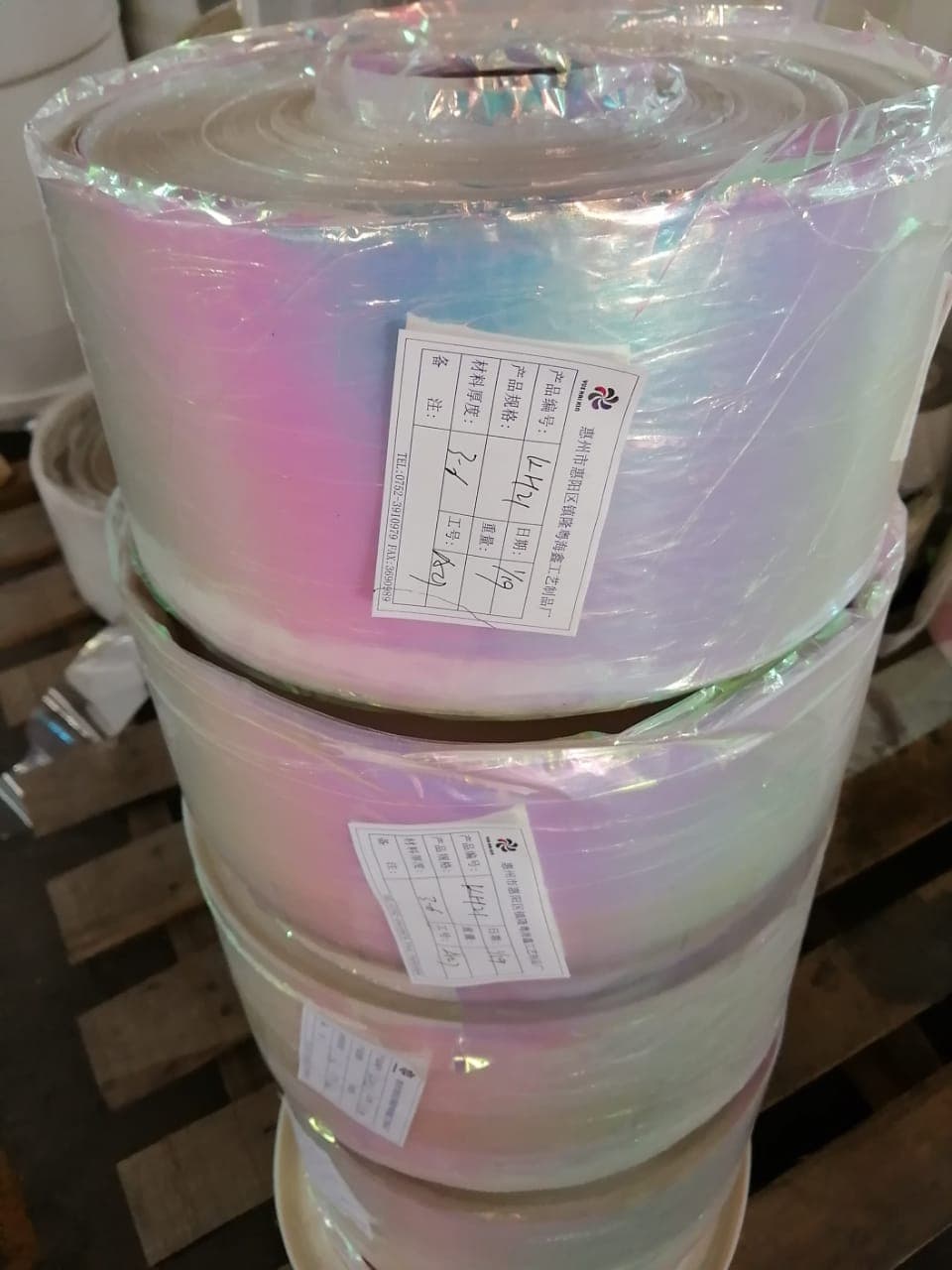
Whether formulating eyeshadow palettes, lip glosses, nail polishes, or compounding industrial epoxy resin, start with our 1kg low trial MOQ or complimentary 50g qualification sample with complete TDS and batch COA.