
Loading...
⚡ 1kg Low MOQ · Factory Direct Glitter & Mica⚡ Source Factory Direct Wholesale · Custom Loose Glitter & Mica Pigments · 1kg Low Trial MOQ · 48h Free 50g Lab Samples
mlmcustom@mlmcosmetic.com⚡ 1kg Low MOQ · Factory Direct Glitter & Mica⚡ Source Factory Direct Wholesale · Custom Loose Glitter & Mica Pigments · 1kg Low Trial MOQ · 48h Free 50g Lab Samples
mlmcustom@mlmcosmetic.comLoading...
Technical formulation guide for plant-derived cellulose glitter. OECD 301B testing, EU 2023/2055 microplastic transition, solvent stability, and 1kg pilot MOQ.
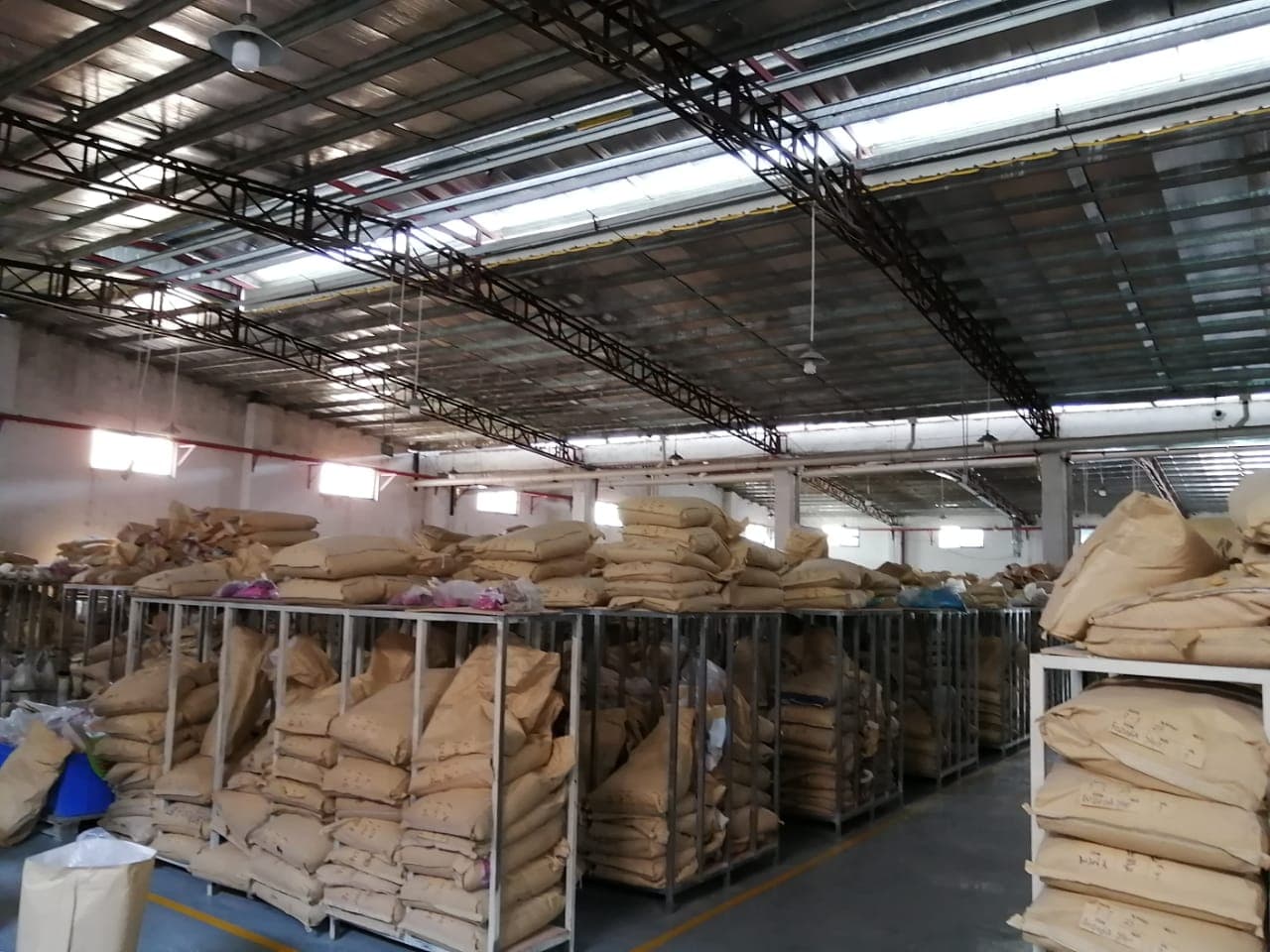
If you're sourcing decorative effect pigments for launch in the EU or UK post-2025, your current PET-based glitter portfolio is on borrowed time. EU Regulation 2023/2055, Annex XVII Entry 78, restricts intentionally added synthetic polymer microparticles in rinse-off and leave-on cosmetics. The transition clock is already running — rinse-off products face earlier enforcement windows, and leave-on glitter applications are squarely in the crosshairs of the extended timeline. Procurement teams that haven't locked in a validated plant-based cellulose glitter supply chain by Q3 2025 are going to be scrambling through reformulation under launch-deadline pressure. That's an expensive place to be.
This guide is written for formulators and procurement directors who need hard technical data, not marketing copy. We'll cover chemical architecture, certification boundaries, real solvent compatibility failure modes we've observed in our Shenzhen pilot lab, ICP-MS batch release criteria, and a benchtop qualification protocol you can run on a 1kg trial sample before committing to volume.
Not all "plant-based" glitter is built the same. The two dominant substrate architectures you'll encounter from Chinese and European suppliers are:
This is the workhorse substrate. Wood pulp or eucalyptus dissolve pulp is processed through the viscose or lyocell (Tencel-route) process, extruded as a continuous film, then slit and die-cut into hexagonal or square particles. The resulting particle is predominantly crystalline cellulose II polymorph with a degree of polymerization (DP) typically 250–450. Aluminium or bio-aluminium interference coatings are vacuum-deposited; the outer lacquer is typically nitrocellulose or a plant-derived acrylic alternative.
Critical failure mode #1 — Cellulose swelling in high-water emulsions: Regenerated cellulose is hygroscopic. At water activity > 0.85 in O/W emulsions, RC glitter particles absorb moisture, swell anisotropically (lateral expansion 3–8% depending on DP), and lose optical flatness. The result is a dull, hazy sparkle effect at the consumer end. If you're incorporating cellulose glitter into a gel cream or hydrogel base, you must either encapsulate the particle in a hydrophobic coating or limit water-phase contact time by using a two-part pack or anhydrous suspension format.
Polylactic acid (PLA) glitter is derived from fermented corn or sugarcane starch. It offers better dimensional stability in aqueous systems than RC but introduces its own complication: PLA has a glass transition temperature (Tg) of approximately 55–60°C, which means it deforms during hot-fill processes (>55°C) or in products stored in markets with high ambient temperatures (Southeast Asia, Middle East). Cellulose acetate (CA) hybrids sit between RC and PLA in both cost and performance.
Critical failure mode #2 — Dye bleeding into organic solvents: Colour-coated cellulose glitter uses either surface-adsorbed cosmetic dyes or vacuum-deposited metal oxide interference layers. The surface-adsorbed dye variants will bleed significantly into ethyl acetate, isododecane, and cyclopentasiloxane — solvents common in nail lacquers, long-wear foundations, and aerosol setting sprays. In internal qualification trials (Lab Protocol Ref: MLM-RD-2025-0814), dye migration of up to 12% was measured by spectrophotometric assay (absorbance at 520nm) in a 72-hour soak test at 40°C in isododecane on unsealed surface-dyed substrates. Specify interference-coated particles with a sealed nitrocellulose or bio-acrylic topcoat if your formula contains any ester or silicone solvent.
The phrase 'plant-based cellulose glitter microplastic compliance documentation' gets used loosely in supplier datasheets. Here's what the certifications actually cover and where their boundaries sit:
This is the gold-standard test for microplastic exemption claims under EU 2023/2055. The test measures carbon conversion (CO₂ evolution) of the test material relative to a theoretical oxygen demand over 28 days in an aerobic aqueous medium at 22°C ± 2°C, inoculated with activated sludge. To pass, the material must achieve ≥60% biodegradation within 28 days, with the 10-day window rule applied. Under these screening conditions, regenerated cellulose substrates historically achieve 68–74% carbon conversion (reference screening protocol: OECD 301B / ISO 14851; pilot batch screening dossier MLM-BIO-0492). PLA typically fails OECD 301B at ambient temperature because its hydrolysis rate is too slow — this is a critical procurement checkpoint. Demand the actual test report with raw data curves, not just a pass/fail certificate.
This certification confirms disintegration and biodegradation under industrial composting conditions: 58°C ± 2°C, controlled humidity, 12-week cycle. PLA glitter can pass this. RC cellulose glitter passes this easily. However — and this is non-negotiable to communicate to your marketing team — EN 13432 certification does NOT substantiate freshwater or marine biodegradability claims. A product certified to EN 13432 that ends up in a waterway is not compliant with the environmental narrative your brand may want to project. If your consumer-facing claim is "ocean-safe" or "freshwater biodegradable," you need OECD 301B data, not a compost certificate.
This is the most demanding biological certification for low-temperature environments (ambient, ~25°C). Very few glitter substrates achieve this. RC cellulose with no metallic coating can qualify; metallised variants typically cannot because the aluminium layer, even at nanometre thickness, disrupts the biological disintegration timeline. If a supplier claims OK Compost HOME for a full-effect metallised glitter, ask for the actual TÜV test report number and verify it on the TÜV Austria database.
Cellulose glitter used in cosmetics must be supported by a full ingredient dossier supporting EU Regulation 1223/2009 safety assessment and US FDA MoCRA facility and product documentation requirements. MLM Cosmetic provides batch-specific third-party laboratory test documentation (including ISO 17025 accredited laboratory test reports for OECD 301B biodegradability, Agilent 7800 ICP-MS heavy metal screens, and FTIR batch authentication spectra) upon request. These documents are provided to assist independent brand formulators and Responsible Persons in compiling their Cosmetic Product Safety Reports (CPSR) under EU 1223/2009 and meeting US FDA MoCRA facility and product documentation requirements. MLM Cosmetic manufactures cosmetic raw materials and effect pigments; finished cosmetic formulation safety and regulatory filings remain the responsibility of the brand owner or designated safety assessor.
| System Type | Base Example | Cellulose Glitter Compatibility | Key Risk | Recommended Particle Finish |
|---|---|---|---|---|
| High-Water O/W Emulsion | Gel cream, serum (≥70% water phase) | ⚠️ Conditional | Hygroscopic swelling, optical dulling | Hydrophobic-coated RC; add at fill temp <35°C |
| Low-Water W/O Emulsion | Stick foundation, balm | ✅ Good | Minimal swelling risk | Standard RC or PLA |
| Anhydrous Oil/Wax Base | Lip gloss, body oil, pomade | ✅ Excellent | Nil swelling; check dye bleed in ester oils | Interference-coated, topcoat sealed |
| Solvent/Lacquer System | Nail lacquer (EA/butyl acetate), setting spray (isododecane) | ⚠️ High Risk | Dye migration, particle dissolution (PLA) | Interference coat + sealed NC lacquer topcoat; avoid PLA |
| Aerosol/Alcohol Base | Body mist, hair spray (ethanol ≥40%) | ⚠️ Conditional | Dye bleed at high ethanol; electrostatic clumping in powder hopper | Interference coat; anti-static treatment on bulk bag |
| Hot-Fill Process | Lip balm, wax-based product (fill temp >55°C) | ❌ Avoid PLA | PLA deformation above Tg 55–60°C | RC cellulose only; confirm fill temp <50°C |
| Pressed Powder / Loose Powder | Highlighter, eyeshadow | ✅ Good | Electrostatic clumping in rotary powder hopper | Anti-static treated particles; ground hopper equipment |
Manufacturing note on electrostatic clumping: In dry powder blending operations, cellulose glitter particles — particularly fine-cut hexagonal particles below 200µm — accumulate static charge in pneumatic transfer lines and rotary hoppers. We've seen clump formation that causes non-uniform glitter distribution in pressed cakes, visible as streaking in the finished pan. Ground all metal hopper components, use anti-static liners, and consider a low-level triboelectric neutraliser bar at the hopper inlet. This is a shop-floor issue that doesn't appear in supplier technical sheets but will cost you a batch.
Manufacturing note on rotary die cutting: Blade dulling during micro-hex rotary die cutting of cellulose film is a real production cost driver. RC film at DP > 400 is significantly harder on tungsten carbide blades than PET film. Expect blade replacement intervals to be 30–40% shorter. Factor this into your unit cost comparison when evaluating RC glitter vs. PET on price.
Every batch of cellulose glitter shipped from our Shenzhen facility is released against the following QC protocol. We recommend your incoming QC team mirror these checks on first-article and periodic audit samples.
Analysis on Agilent 7800 ICP-MS following acid digestion (HNO₃/H₂O₂ microwave digestion, EPA 3052 method). Release limits aligned with EU 1223/2009 Annex II restricted substances and Chinese GB 7916:
Any batch with a single element exceeding these limits is quarantined and not released. We do not blend out-of-spec batches.
ATR-FTIR scan (4000–400 cm⁻¹, 32 scans, 4 cm⁻¹ resolution) is run on each batch and overlaid against our reference library spectra for RC cellulose (characteristic OH stretch 3200–3500 cm⁻¹, C-O-C glycosidic stretch at 1160 cm⁻¹) and PLA (carbonyl C=O at 1750 cm⁻¹). This catches substrate substitution — a real risk in the spot-buy market where PET is occasionally substituted for cellulose when cellulose film supply tightens. A correlation coefficient < 0.995 against the reference spectrum triggers a full investigation.
RC cellulose glitter is packaged under ISO 22716-compliant cleanroom conditions (Class 100,000 / ISO 8 equivalent).
Do not store opened containers in humid environments. Once a foil pouch is opened, transfer unused material to a sealed HDPE container with desiccant and use within 90 days.
Before you approve a cellulose glitter grade for full-scale production, run this qualification sequence on your 1kg trial sample:
MLM Cosmetic (mlmcosmetic.com) supplies plant-based cellulose glitter in particle sizes from 008 hex (200µm) to 040 hex (1000µm), in interference-coated and solid-colour variants, with full technical dossiers supporting EU Regulation 1223/2009, EU 2023/2055 microplastic transition compliance, and US FDA MoCRA documentation. Trial quantities start at 1kg vacuum foil pouches. Production volume ships in 25kg UN-rated drums with batch-specific third-party laboratory test documentation, ICP-MS CoA, and OECD 301B reports available upon technical qualification.
Contact our technical team for a formulation consultation specific to your application — we routinely work through compatibility challenges in nail, face, and body applications before you commit to production volume.
Disclaimer: Technical data and regulatory references provided herein (including EU Regulation 2023/2055, EU 1223/2009, and US FDA MoCRA) are based on current legislative texts and laboratory test parameters for raw materials manufactured by MLM Cosmetic. This documentation is intended solely to support independent brand formulators and Responsible Persons in compiling their Cosmetic Product Safety Reports (CPSR) and product filings. Final formulation compliance, toxicological risk assessment, and finished product registration remain the responsibility of the brand owner.
Target Formulation Material:
Plant-Based Cellulose Glitter: Technical Formulation & EU 2023/2055 Microplastic Compliance Guide
Includes 50g sealed lab pouch, lot-specific COA, Technical Data Sheet (TDS), and ISO 22716 regulatory package.
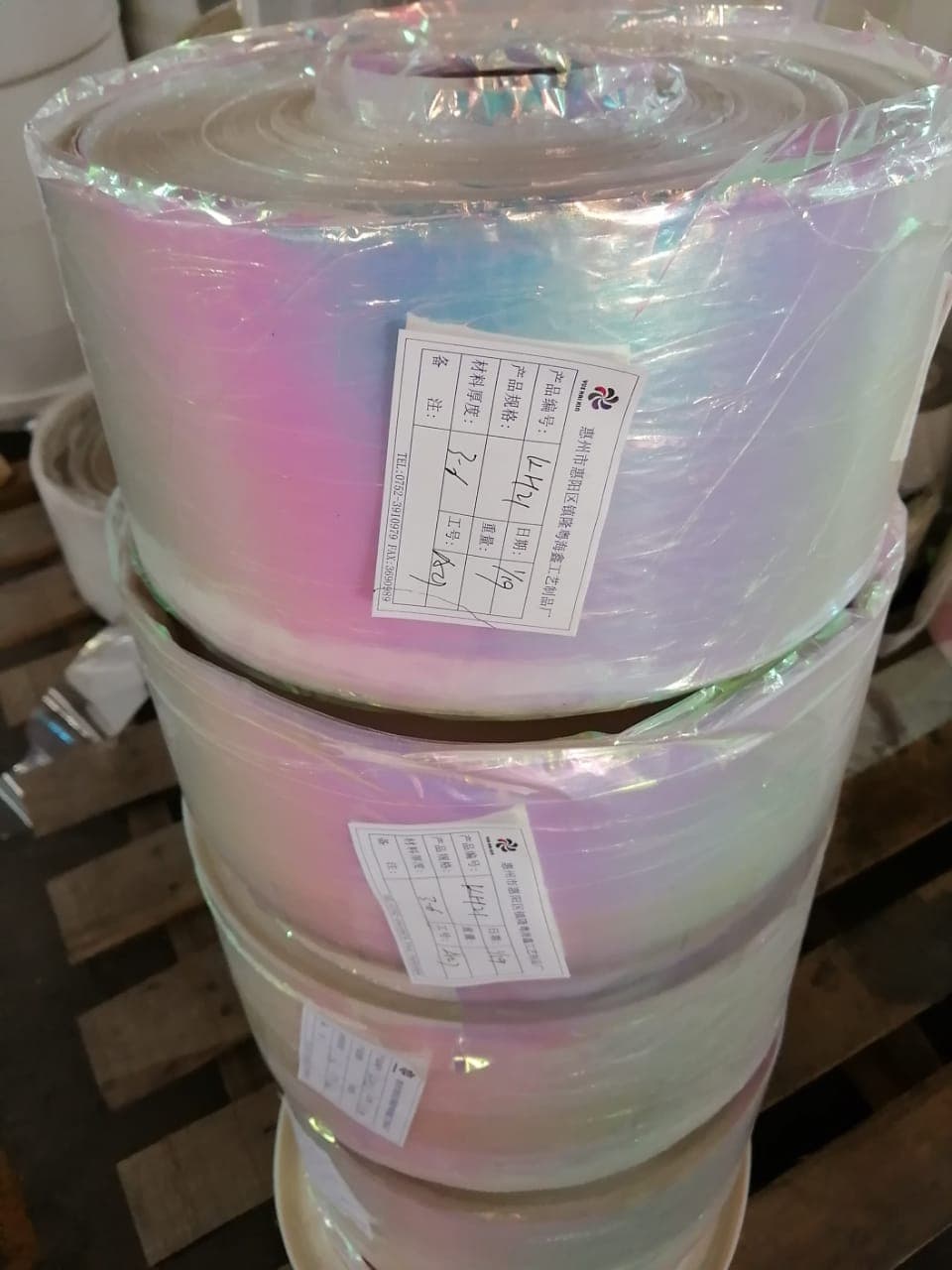
Whether formulating eyeshadow palettes, lip glosses, nail polishes, or compounding industrial epoxy resin, start with our 1kg low trial MOQ or complimentary 50g qualification sample with complete TDS and batch COA.