
Loading...
⚡ 1kg Low MOQ · Factory Direct Glitter & Mica⚡ Source Factory Direct Wholesale · Custom Loose Glitter & Mica Pigments · 1kg Low Trial MOQ · 48h Free 50g Lab Samples
mlmcustom@mlmcosmetic.com⚡ 1kg Low MOQ · Factory Direct Glitter & Mica⚡ Source Factory Direct Wholesale · Custom Loose Glitter & Mica Pigments · 1kg Low Trial MOQ · 48h Free 50g Lab Samples
mlmcustom@mlmcosmetic.comLoading...
Compare top 6 cosmetic grade photoluminescent powder suppliers. Technical B2B guide covering strontium aluminate chemistry, waterproof encapsulation, 1kg MOQ, and ICP-MS testing.
Formulator Advisory & Pilot Testing Notice: Long-afterglow strontium aluminate photoluminescent pigments require waterproof micro-encapsulation barrier protection when formulated in water-containing emulsions, body gels, and hydro-alcoholic systems to prevent crystal hydrolysis. Lot-specific documentation on request (TDS, SDS, zero-radioactivity verification, and Agilent 7800 ICP-MS heavy metal COA) is provided for benchtop pilot testing.
Contract cosmetic labs, formulators, and downstream contract fillers operating at benchtop and pilot scale face a persistent bottleneck when sourcing photoluminescent effect pigments: the persistent gap between bulk industrial material brokers and specialized cosmetic regulatory compliance.
From our production lines and rotary calcination kilns here in Bao'an, Shenzhen, we witness formulation failures on a weekly basis sent in by lab chemists troubleshooting unstable batches. In nine out of ten cases, the lab purchased unpassivated, industrial-grade strontium aluminate or obsolete copper-doped zinc sulfide from an online distributor. The consequence in aqueous bases is invariable: rapid hydrolysis, catastrophic pH spikes, gassing, phase separation, and the complete collapse of phosphorescent emission within 48 to 72 hours.
To engineer stable luminescent cosmetic products—whether water-based body paints, high-viscosity peel-off masks, clear hydrogels, or solvent-based nail enamels—procurement and R&D teams must align on core inorganic photochemistry, surface passivation mechanics, and practical supply chain parameters.
Legacy glow technologies relied almost entirely on copper-activated zinc sulfide (ZnS:Cu). While ZnS:Cu remains inexpensive and soft on the skin (Mohs hardness ~3.0), its performance is fundamentally limited:
Modern cosmetic-grade photoluminescence relies on rare-earth-doped alkaline earth aluminate lattices, predominantly:
SrAl2O4:Eu2+,Dy3+).Sr4Al14O25:Eu2+,Dy3+).The divalent europium ion (Eu2+) functions as the primary luminescent emission center via parity-allowed 4f6 5d1 -> 4f7 optical transitions. Trivalent dysprosium (Dy3+) acts as an auxiliary trapping agent. By introducing localized charge-compensating defect centers within the monoclinic host crystal, Dy3+ introduces intermediate trap depths (~0.65 eV to 0.75 eV).
When charged by ambient light (360–420 nm), electrons are trapped rather than immediately decaying radiatively. Ambient thermal energy at room temperature (298 K) gradually releases these trapped carriers back to the 5d band of Eu2+, yielding continuous, sustained photon emission exceeding 12 to 24 hours—delivering over 10 times the initial brightness and 10 times the persistence of ZnS:Cu.
Despite its crystalline robustness, raw strontium aluminate degrades violently in water. The basic aluminate lattice reacts spontaneously with water molecules:
This hydrolysis reaction produces several destructive effects in cosmetic formulations:
Eu2+ is cleaved, eliminating energy transfer and permanently halting phosphorescence.Sr(OH)2) dissolves, flooding the aqueous phase with hydroxyl (OH-) ions and driving bulk batch pH from neutral 6.5–7.0 up into the caustic 10.5–12.0 zone. This immediately destabilizes consumer skin barriers, triggers micro-gassing (hydrogen evolution in acidic systems), and destroys carbomer-based thickening networks.Al(OH)3) precipitates as a sticky, gelatinous sludge, locking heavy pigment particles into an irreversible agglomerated sediment at the bottom of the container.Standard industrial powder brokers frequently label raw powders as "water-resistant" without surface analysis. True cosmetic stability requires continuous, pinhole-free inorganic micro-encapsulation.
To prevent hydrolysis, MLM utilizes a dense, sub-micron inorganic nano-silica (SiO2) shell grown directly onto individual crystal surfaces via controlled liquid-phase sol-gel deposition.
By condensing tetraethoxysilane precursors under strictly modulated temperature, pH, and surfactant conditions, the silica coating covalently bonds to the oxygen atoms of the aluminate lattice without dampening optical excitation or quenching photon emission. This silica barrier isolates the crystal faces from water contact, permitting stable 12-month+ suspension in aqueous emulsions, gels, and body washes without pH migration or loss of luminosity.
Beyond raw chemistry, contract labs face severe commercial friction. Traditional multinational chemical brokers and legacy calcining plants routinely impose 25 kg to 100 kg minimum order quantities (MOQs) per particle grade. For an R&D chemist formulating a high-concept lip lacquer or water-based eye liner, a 25 kg pail represents thousands of dollars in tied-up capital and months of unused stock sitting in stability quarantine.
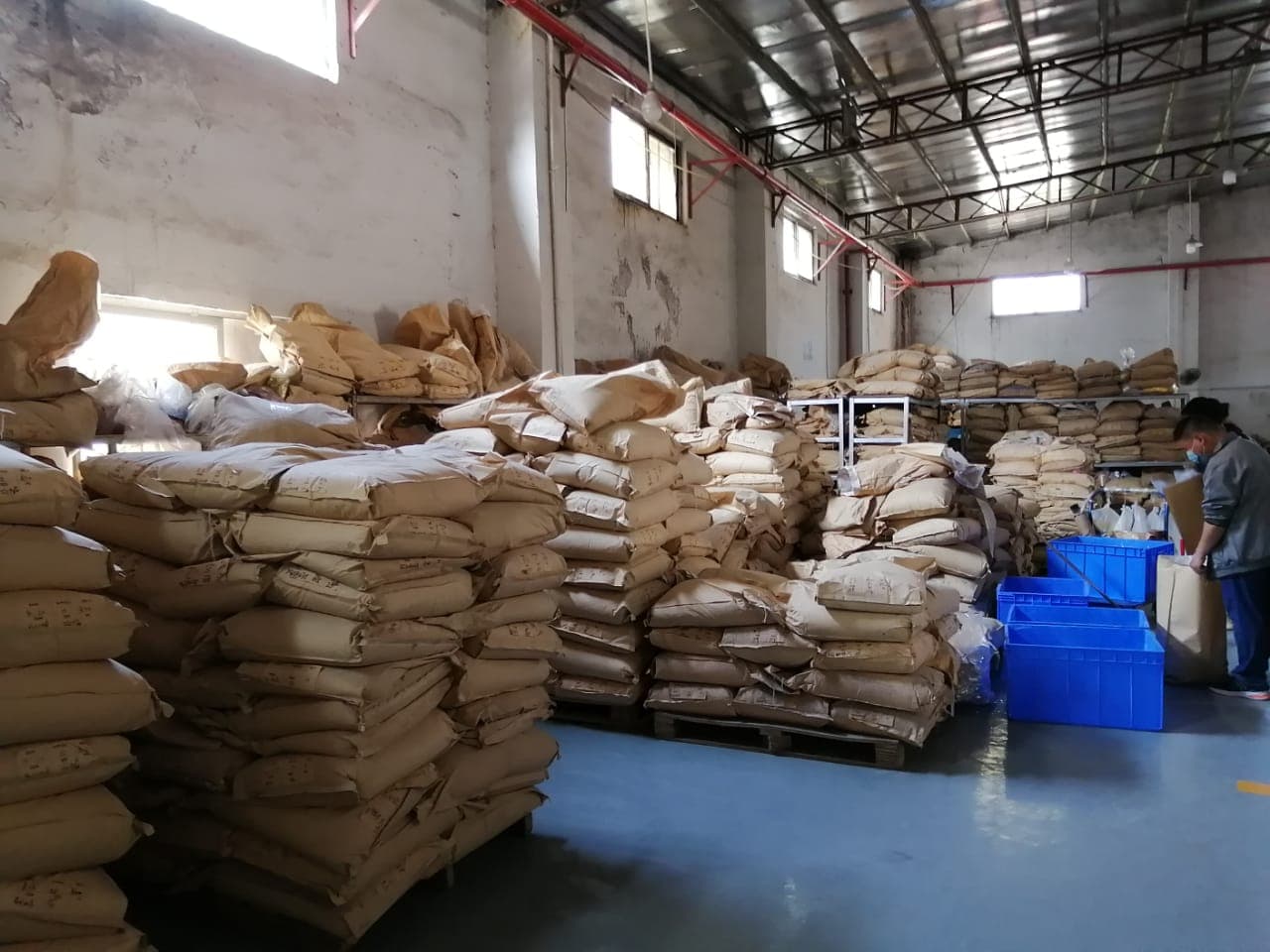
Our operating philosophy at MLM addresses this operational disconnect: we offer a factory-direct 1 kg moisture-barrier foil pouch pilot-trial MOQ, backed by 48-hour global air-dispatch of complimentary 50 g lab qualification kits. This gives R&D teams access to primary synthesis quality without forcing commercial-scale volume commitments during initial stability trials.
To guide contract research organizations, contract packaging manufacturers (CMOs), and independent indie beauty development labs, the following matrix benchmarks the top six global photoluminescent powder suppliers active in the cosmetic raw materials sector for 2026.
| Feature / Metric | 1. MLM Cosmetic Pigments | 2. Nemoto & Co., Ltd. (LumiNova) | 3. GloTech International | 4. Dalian Luminglight Co., Ltd. | 5. Glotech Industrial (Allureglow) | 6. Yixing Huanyu Luminescent |
|---|---|---|---|---|---|---|
| Primary Production Location | Bao'an, Shenzhen, China | Tokyo, Japan / Joint Ventures | USA (Distributor / Processing) | Dalian, Liaoning, China | USA (Compounder / Blended) | Yixing, Jiangsu, China |
| Supply Chain Tier | Direct Primary Calciner & Coater | Primary Patent Holder / Tier 1 Calciner | Secondary Processor & Importer | Primary Large-Scale Calciner | Formulator & Specialty Reseller | Primary Calciner (Industrial Focus) |
| Core Luminescent Chemistry | SrAl2O4:Eu,Dy (Green) & Sr4Al14O25:Eu,Dy (Blue) | SrAl2O4:Eu,Dy & Sr4Al14O25:Eu,Dy | Strontium Aluminate / Blends | Strontium Aluminate & Silicates | Strontium Aluminate Coatings | Strontium Aluminate & ZnS |
| Waterproof Encapsulation Tech | High-density nano-silica (SiO2) sol-gel encapsulation | Patented organo-silane & inorganic coatings | Resinated / Polymer surface coating | Silane surface treatment | Proprietary acrylic/silane blends | Untreated / Optional basic silane |
| Initial Luminance (mcd/m2 @ 10m) | >8,000–12,000 mcd/m2 (D50 ~35 µm) | >9,000–13,000 mcd/m2 (G-300 series) | ~6,000–8,500 mcd/m2 | ~7,000–9,500 mcd/m2 | ~5,000–7,000 mcd/m2 | ~6,500–8,000 mcd/m2 |
| Persistence Duration (>0.32 mcd/m2) | >14 to 20 Hours | >16 to 24 Hours | >10 to 14 Hours | >12 to 16 Hours | >8 to 12 Hours | >10 to 12 Hours |
| Cosmetic Heavy Metal Thresholds | Agilent 7800 ICP-MS: Pb<2, As<2, Hg<1, Cd<1, Sb<0.5 ppm | Strict global pharmacopeia compliance | Dependent on upstream batch sourcing | Industrial baseline; cosmetic lots selected | Blended product specs; variable | Standard industrial limits; elevated As/Pb |
| Radioactivity Verification | Absolute Zero (Background <0.2 µSv/h; Pm-147 / Tritium Free) | Screened for non-detection of ionizing radiation | Verified non-radioactive | Verified non-radioactive | Verified non-radioactive | Typically non-radioactive (untested per lot) |
| Benchtop Pilot MOQ | 1 kg (Moisture-barrier foil pouches) | 25 kg (Standard export fiber drum) | 5 kg to 25 kg | 25 kg (Rigid industrial MOQ) | 1 lb (~0.45 kg) to 5 kg | 25 kg (Fiber drum) |
| Lab Sample Kit Dispatch | 48 Hours (Complimentary 50 g kits) | 2 to 4 Weeks (Via distributor tiers) | 3 to 7 Business Days | 1 to 2 Weeks | 3 to 5 Business Days | 1 to 3 Weeks |
| Available Cosmetic D50 Cuts | 5–15 µm, 15–25 µm, 25–45 µm, 45–65 µm | Broad portfolio (Fine to Coarse) | Standard medium cuts (~25–35 µm) | Predominantly coarse cuts (>35 µm) | Screened cuts for craft/screen inks | Coarse cuts (30–60 µm dominant) |
| Best For / Target Formulator | Agile contract labs, cosmetic CMOs, indie labs | Premium enterprise brands with large budgets | North American labs avoiding direct import | High-volume industrial & plastic compounders | Textile printers & craft body paint makers | Low-cost industrial injection molding |
Incorporating inorganic phosphorescent crystals into sophisticated cosmetic vehicles requires clear protocols across four performance parameters: aqueous stability screening, particle-size distribution selection, rheological suspension engineering, and thermal processing envelope validation.
Before allocating bench time to preservative efficacy or stability testing, every incoming lot of photoluminescent pigment must undergo rapid hydrolysis screening. Industrial suppliers often market powders with incomplete silane treatments that shed coating molecules under low mechanical shear.
If a pigment fails this baseline screening, it will fail downstream PET (Preservative Efficacy Testing) by inactivating common organic acids (such as benzoic or sorbic acid) through alkaline neutralization, destroying the emulsion structure over standard 90-day stability cycles.
Strontium aluminate crystals operate on bulk solid-state energy storage mechanics. This creates an engineering trade-off: optical luminance correlates directly with crystalline domain volume, while cosmetic skin feel correlates inversely with particle diameter.
Strontium aluminate possesses a high specific gravity: true particle density ranges between 3.6 and 3.8 g/cm3—more than three times that of standard aqueous or organic cosmetic phases. Without proper rheological design, the pigment will settle into a dense, unshakeable sediment at the base of the packaging.
Applying Stokes' Law to particle sedimentation velocity (V_s):
Where:
r = particle radiusrho_p = pigment density (~3.6 g/cm3)rho_f = fluid base density (~1.0 g/cm3 for water, ~0.9 g/cm3 for ethyl acetate)g = gravitational accelerationeta = dynamic shear viscosity at restBecause (rho_p - rho_f) is high, formulators cannot rely on high plastic viscosity alone to prevent settling over long shelf lives. Instead, the formulation must exhibit a distinct yield stress ( au_0)—a three-dimensional polymeric micro-gel network capable of supporting the particles when the product is stationary.
Strontium aluminate crystals are synthesized in rotary kilns at calcination temperatures between 1,200°C and 1,450°C. The inorganic phosphor itself is completely refractory and will not melt, degrade, or decompose during cosmetic processing.
Hot-pour color cosmetics (such as hot-poured highlighters, lip balms, pomades, and cold-process or melt-and-pour soaps) often run processing temperatures between 75°C and 115°C, occasionally peaking up to 180°C in anhydrous wax blends. Pure strontium aluminate powders easily tolerate these conditions.
However, note the following processing cautions:
Factory Location: Bao'an District, Shenzhen, China | Upstream Tier: Primary Calciner & Micro-Encapsulation Surface Coater
SrCO3 and Al2O3). Production lots undergo scintillation probe screening; final powders are verified 100% free of Promethium-147, Tritium, and ionizing radiation, reading at ambient background levels (< 0.2 µSv/h).Headquarters: Tokyo, Japan | Upstream Tier: Primary Originator / Premium Calciner
SrAl2O4:Eu,Dy crystalline chemistry in the 1990s under the LumiNova brand name. Their manufacturing centers in Japan and affiliated joint-venture sites maintain exceptional quality control, tight crystal lattice uniformity, and low defect counts, yielding industry-standard afterglow brightness and persistence curves.Location: United States | Upstream Tier: Importer, Processor & Master Distributor
Location: Dalian, Liaoning Province, China | Upstream Tier: Primary High-Volume Calciner
Location: United States | Upstream Tier: Compounder, Formulator & Specialty Supplier
Location: Yixing, Jiangsu Province, China | Upstream Tier: Industrial Calcining Plant
ZnS:Cu) and photoluminescent alkaline earth aluminates. Their operations serve the export toy manufacturing, hardware, injection-molding, and novelty sectors.Unencapsulated strontium aluminate (SrAl2O4:Eu,Dy) undergoes a rapid, irreversible nucleophilic hydrolysis reaction when exposed to water molecules. The alkaline earth aluminate crystal lattice hydrolyzes into strontium hydroxide (Sr(OH)2) and gelatinous aluminum hydroxide (Al(OH)3):
The resulting free hydroxyl ions drive batch pH from neutral up to 11.5–12.0. This basic shift breaks down carbomer-based thickeners, destabilizes standard cosmetic preservative systems, and destroys the monoclinic crystal coordination environment around the Eu2+ optical centers—permanently extinguishing phosphorescence.
To safely formulate within water-containing systems, chemists must verify that the pigment has undergone complete inorganic surface passivation—such as MLM’s high-density nano-silica (SiO2) micro-encapsulation—which shields the core crystal lattice from direct water interaction.
No. Mechanical high-shear processing must not be used on finished photoluminescent pigments.
Best Practice: Always source the precise particle size distribution cut (D50) required for your formulation directly from the calciner, and incorporate the powder into the base during the final manufacturing phase using low-shear paddle mixers (150–300 RPM).
Photoluminescent pigments operate strictly by absorbing incident external light and re-emitting photons. Any opaque additive within the vehicle that competes for optical absorption will directly reduce glow performance:
TiO2) and Zinc Oxide (ZnO): Even small concentrations (0.5% to 1.0% w/w) of white scattering pigments can attenuate phosphorescent performance by 70% to 90%, blocking excitation light from reaching the phosphor crystals.If formulating a tinted cosmetic product, use completely transparent, non-scattering dye systems (such as water-soluble or oil-soluble dyes) at low inclusion levels, and load the luminescent pigment between 5% and 20% w/w based on performance and target cost per batch.
Cosmetic-grade glow pigments must comply with regional regulatory standards governing heavy metals and elemental impurities, including the US FDA 21 CFR Part 73/74, the EU Cosmetic Regulation (EC) No 1223/2009 (Annex II/IV), and China's Safety and Technical Standards for Cosmetics (STSC 2015). Typical elemental limit guidelines include:
Industrial glow powders intended for plastic injection molding or reflective paints often register Lead levels between 20 and 100 ppm and Arsenic levels exceeding 10 ppm, which breaches cosmetic limits. Contract labs must request lot-specific ICP-MS analytical verification to confirm compliance before scaling pilot batches.
Older generations of self-luminous safety components utilized radioluminescent materials doped with radioactive isotopes, including Promethium-147 (147Pm) and Tritium (3H). These emit beta particles that continuously bombard a phosphor matrix without requiring external optical charging.
Modern cosmetic-grade photoluminescent phosphors are purely photostimulated—they store energy from ambient photons and emit light via thermal relaxation, with no ionizing radiation.
To confirm compliance for brand regulatory teams, contract labs can inspect the powder using an energy-compensated Geiger-Mueller counter or an in-house scintillation spectrometer. The measured radiation level of pure, high-grade strontium aluminate matches standard natural background radiation, reading < 0.20 microSieverts per hour (< 0.2 µSv/h). Primary manufacturers should provide certified non-radioactivity screening documentation confirming absolute non-detection of alpha, beta, and gamma radiation.
Eliminate formulation delays caused by unpassivated industrial powders, missing regulatory files, and high minimum order quantities.
MLM Cosmetic Pigments (Shenzhen Meilianmei Technology Development Co., Ltd.) supports contract research laboratories, cosmetic brand developers, and third-party contract manufacturing organizations with direct factory access to calcined, surface-passivated, and fully tested luminescent pigments.
mlmcustom@mlmcosmetic.comwww.mlmcosmetic.comContact our technical director's desk directly with your product brief, carrier viscosity profile, target color wavelength, and vehicle pH range. Our engineering team will match the optimal crystal cut and surface-encapsulation profile to accelerate your benchtop-to-production timeline.
MLM Cosmetic Pigments (Shenzhen Meilianmei Technology Development Co., Ltd.) is an upstream manufacturer and micro-encapsulation processor of cosmetic-grade photoluminescent glow pigments and effect materials. The US FDA and global regulatory authorities do not certify or approve raw material chemical plants or finished cosmetic formulations. Finished product regulatory compliance (including 21 CFR § 73/74 colorant listings, EU Regulation (EC) No 1223/2009, and China CSAR filing) remains the legal responsibility of the cosmetic brand owner. Full technical documentation dossiers, non-radioactivity laboratory certificates, and ICP-MS trace metal analysis reports are provided on request to support safety evaluations conducted through benchtop pilot qualification.
Target Formulation Material:
Top 6 Cosmetic Grade Glow in the Dark (Luminescent) Powder Suppliers for Contract Labs (2026 Sourcing Guide)
Includes 50g sealed lab pouch, lot-specific COA, Technical Data Sheet (TDS), and ISO 22716 regulatory package.
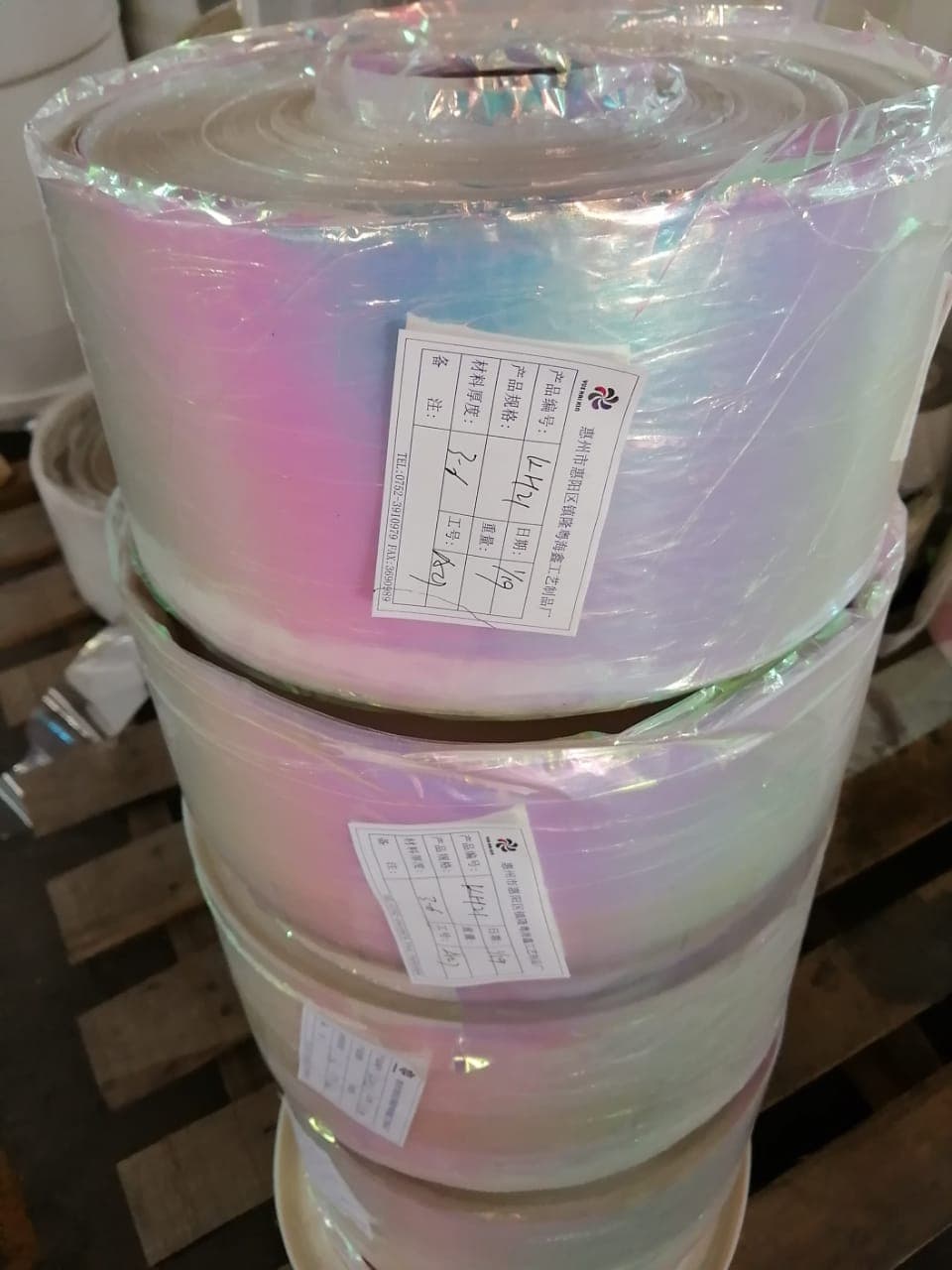
Whether formulating eyeshadow palettes, lip glosses, nail polishes, or compounding industrial epoxy resin, start with our 1kg low trial MOQ or complimentary 50g qualification sample with complete TDS and batch COA.