
Loading...
⚡ 1kg Low MOQ · Factory Direct Glitter & Mica⚡ Source Factory Direct Wholesale · Custom Loose Glitter & Mica Pigments · 1kg Low Trial MOQ · 48h Free 50g Lab Samples
mlmcustom@mlmcosmetic.com⚡ 1kg Low MOQ · Factory Direct Glitter & Mica⚡ Source Factory Direct Wholesale · Custom Loose Glitter & Mica Pigments · 1kg Low Trial MOQ · 48h Free 50g Lab Samples
mlmcustom@mlmcosmetic.comLoading...
Technical formulation data for ultra fine cosmetic mica powder in lip gloss: ICP-MS limits, solvent resistance, particle specs, and benchtop qualification protocol.
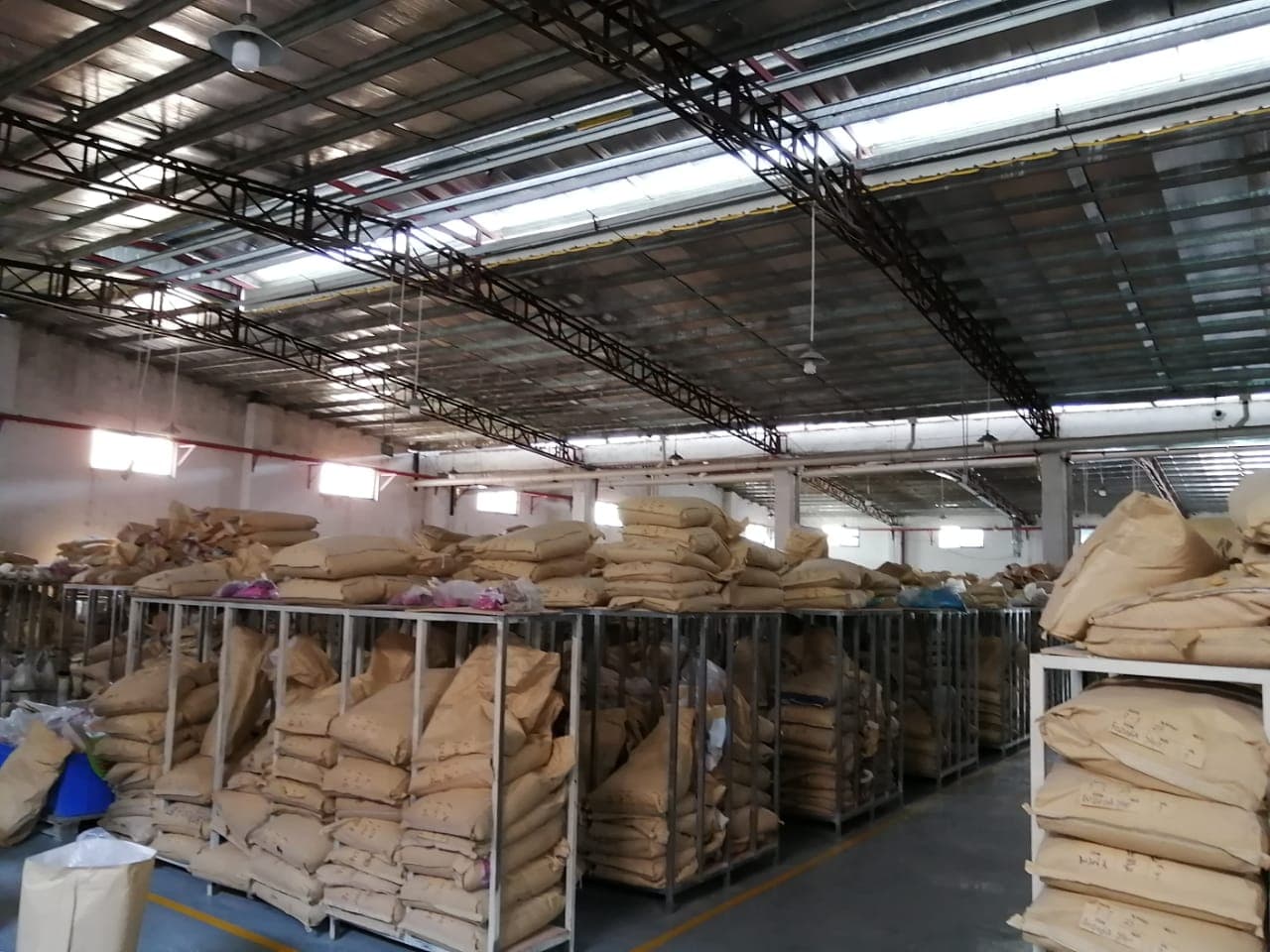
If you've reformulated a lip gloss three times because your mica keeps settling into a dense cake at the bottom of the tube after six weeks of accelerated stability, or your shimmer looks like wet sand under retail lighting instead of a clean pearl flash — this document is written for you. Not marketing. Not brand storytelling. This is the technical reference I wish someone had handed me when I was troubleshooting dye migration in polyisobutylene-based lip systems at 2 AM.
I'm the Senior Chief Formulation Chemist at MLM Cosmetic (mlmcosmetic.com), our raw material manufacturing operation in Shenzhen. We supply ultra fine cosmetic mica powder and effect pigments to contract manufacturers, indie brand formulators, and multinational procurement teams. What follows is peer-to-peer technical guidance — particle architecture, solvent resistance boundaries, real failure modes we've diagnosed on production lines, and a benchtop qualification protocol you can run before committing to scale.
A note on regulatory scope before we start: MLM Cosmetic supplies cosmetic raw materials and provides batch test documentation (CoA, ICP-MS reports, FTIR spectral fingerprints) upon request to support your brand filings. Finished formulation safety assessment remains the responsibility of the brand owner's qualified safety assessor or Responsible Person under EU frameworks. We do not make finished-product safety claims.
The term gets thrown around loosely. Here's how we define it at MLM Cosmetic, and why the distinction matters for lip gloss specifically:
The mica platelet itself is only the optical engine. The substrate it's built on — or the mineral source — determines your regulatory pathway, your solvent compatibility window, and your shelf-life failure modes.
| Substrate | Composition | Key Advantage for Lip Gloss | Key Limitation | EU Microplastic Status (Annex XVII Entry 78) |
|---|---|---|---|---|
| Natural Mica (Muscovite) | KAl₂(AlSi₃O₁₀)(OH)₂ | Cost-effective, proven track record, good platelet geometry | Higher inherent heavy metal variability (Fe, Mn trace levels vary by mine source); requires tighter ICP-MS batch screening | Not a synthetic polymer — not in scope |
| Synthetic Mica (Fluorphlogopite) | KMg₃(AlSi₃O₁₀)F₂ | Ultra-low heavy metal baseline, brighter interference colors, more uniform platelet thickness | ~30–40% cost premium over natural muscovite | Not a synthetic polymer — not in scope |
| PET Film-Based Glitter | Biaxially-oriented polyethylene terephthalate (BOPET) with metallized or pigmented layers | Maximum brightness, sharp sparkle, wide color gamut | Falls under EU microplastic restriction; transition deadline for rinse-off products already passed, leave-on products face Oct 2029 deadline with concentration and reporting obligations | In scope — requires compliance documentation or substrate switch |
| Regenerated Cellulose | Derived from wood pulp; biodegradable film substrate | Compliant alternative to PET for brands needing to exit microplastic risk | Lower solvent resistance than PET (degrades in ethyl acetate/butyl acetate systems — fine for lip gloss, problematic for nail lacquer); slightly lower optical brightness | Not a synthetic polymer — not in scope |
A practical note on BOPET crystallinity: If you're evaluating PET-based glitter for any application, ask your supplier about the biaxial orientation ratio and crystallinity percentage. Poorly oriented PET film (crystallinity below ~35%) will delaminate faster under thermal stress during hot-pour lip gloss manufacturing. The metallized aluminum layer separates from the PET carrier, and you get dull grey flecks instead of silver sparkle. We've seen this failure mode repeatedly with cheap PET glitter sourced without film specification control.
Lip gloss manufacturing typically involves a hot-pour stage — heating the vehicle (polybutene, hydrogenated polyisobutylene, or castor oil blends) to 75–90°C for mixing, sometimes up to 100°C for wax-containing formulas. Ultra fine mica powder itself is thermally inert well beyond these ranges.
This matters more than most formulators initially expect, especially if your lip gloss vehicle contains volatile solvents or if you're cross-qualifying a mica grade across lip gloss and nail lacquer lines.
| Solvent System | Natural/Synthetic Mica (TiO₂ coated) | Organic Dye-Coated Mica | PET Glitter | Regenerated Cellulose Glitter |
|---|---|---|---|---|
| Hydrogenated Polyisobutylene (typical lip gloss base) | Excellent — no interaction | Excellent at ambient | Excellent | Good |
| Castor Oil / Isopropyl Myristate | Excellent | Excellent | Excellent | Good |
| Ethanol (>70%) | Excellent | Monitor for dye bleed — run 72hr soak test | Good | Fair — swelling possible |
| Ethyl Acetate (nail lacquer solvent) | Excellent | Risk of dye migration — always run bleed test per MLM protocol below | Good | Poor — substrate degradation |
| Butyl Acetate (nail lacquer solvent) | Excellent | Risk of dye migration | Good | Poor — substrate degradation |
| Water / Glycol Emulsions | Excellent | Good — hydrolytic stability of lake dyes is generally adequate | Excellent | Good — but monitor for swelling in long-term stability |
Failure mode spotlight — dye migration in nail lacquer: We field this question monthly. A brand qualifies a red-coated mica in lip gloss (polybutene vehicle), gets beautiful results, then tries to use the same SKU in a nail lacquer with butyl acetate as the primary solvent. Within 48 hours in accelerated aging, the organic dye bleeds off the mica platelet into the solvent phase, tinting the entire lacquer and leaving the mica particles looking washed out. The fix is either switching to an inorganic iron oxide-coated mica (no bleed risk, but limited color gamut) or using a dye-coated grade specifically engineered with a crosslinked silicone or silica encapsulation layer. Ask us about encapsulated grades if you're running dual-application qualification.
Every production lot of ultra fine cosmetic mica powder shipped from MLM Cosmetic undergoes heavy metal screening via Inductively Coupled Plasma Mass Spectrometry. Our reference instrument is the Agilent 7800 ICP-MS, calibrated against NIST-traceable standards.
Release specifications per batch CoA:
| Element | MLM Internal Spec | Typical Actual (Synthetic Mica) | Typical Actual (Natural Mica) | Reference Regulatory Limit |
|---|---|---|---|---|
| Lead (Pb) | < 2 ppm | < 0.5 ppm | < 1.5 ppm | FDA: 20 ppm (color additives); Health Canada: 10 ppm |
| Arsenic (As) | < 1 ppm | < 0.3 ppm | < 0.8 ppm | Health Canada: 3 ppm |
| Mercury (Hg) | < 1 ppm | < 0.1 ppm | < 0.1 ppm | FDA: 1 ppm |
| Cadmium (Cd) | < 1 ppm | < 0.1 ppm | < 0.3 ppm | Health Canada: 3 ppm |
| Antimony (Sb) | < 5 ppm | < 0.5 ppm | < 2.0 ppm | EU Toy Safety ref. |
Note the gap between natural and synthetic mica on Pb and Cd. This is geological reality — natural muscovite deposits carry trace heavy metals from the parent rock. Synthetic fluorphlogopite is manufactured from purified reagents, so the baseline is inherently cleaner. If your brand's internal spec is tighter than regulatory minimums (and many premium brands set Pb < 5 ppm for lip products as an internal standard), synthetic mica gives you more headroom.
We include an FTIR (Fourier Transform Infrared) spectral fingerprint with every CoA on request. This is your fastest tool for incoming material identity verification at your own facility. Match the absorption bands at ~3620 cm⁻¹ (O-H stretch in muscovite), ~1020 cm⁻¹ (Si-O stretch), and ~530 cm⁻¹ (Al-O) against the reference spectrum on the CoA. If you're receiving synthetic fluorphlogopite, look for the characteristic F-substitution shift — the O-H band at 3620 cm⁻¹ will be absent or sharply reduced, replaced by lattice fluorine signatures.
This takes ten minutes on a benchtop ATR-FTIR and catches substrate substitution fraud — which, unfortunately, is not hypothetical in this supply chain.
Adding ultra fine mica to a lip gloss base changes rheology. How much depends on loading level, particle shape, and surface treatment. We recommend measuring viscosity impact using a Brookfield RVT viscometer (spindle #27 or #29, depending on your base viscosity range) at 25°C, 20 RPM.
Typical impact at 5% w/w loading in hydrogenated polyisobutylene (baseline viscosity ~8,000 cP):
If your target viscosity window is tight (many lip gloss formulas live in a narrow 6,000–10,000 cP band to balance doe-foot applicator pickup with non-drip behavior), factor this in during formulation development, not after you've locked the base.
| Parameter | Recommended Spec for Lip Gloss | Why It Matters | Test Method |
|---|---|---|---|
| Particle size D50 | 5–15 µm | Shimmer visibility vs. grit threshold on lip mucosa | Laser diffraction (wet, IPA dispersion) |
| Particle size D90 | < 25 µm | Eliminates coarse-fraction grittiness complaints | Laser diffraction |
| Mica loading (typical) | 2–8% w/w | Below 2%: insufficient visual effect. Above 8%: viscosity spike, settling risk | Gravimetric |
| Surface treatment | Dimethicone or trimethylsiloxysilicate coating preferred | Improves dispersion in non-polar vehicles, reduces clumping | FTIR confirmation of silicone peaks |
| Haze (in cast film) | < 15% per ASTM D1003 | Ensures gloss clarity is maintained; high haze = cloudy appearance | Haze-Gard Plus or equivalent |
| Electrostatic charge tendency | Low (surface-treated grades) | Untreated mica generates triboelectric charge during powder handling — causes clumping in hoppers, uneven dosing in automated filling lines | Faraday cup charge measurement |
| Moisture content | < 0.5% w/w | Excess moisture causes clumping during storage, microbial risk in aqueous-adjacent formulas | Karl Fischer titration or LOD at 105°C |
Before you commit to a 25 kg drum order and a production run, run these three tests. They take less than a week including the accelerated stability hold, and they'll catch 90% of the failure modes we see in the field.
Document results with photos and viscosity readings. This becomes your internal qualification record and supports your safety assessor's product dossier.
The restriction on intentionally added microplastics entered force on October 17, 2023. For leave-on cosmetic products (including lip gloss), the transition period extends to October 17, 2029, with labeling and reporting obligations beginning earlier. PET-based glitter falls within scope. Natural mica, synthetic mica (fluorphlogopite), and regenerated cellulose substrates do not — they are not synthetic polymers.
If you are currently using PET glitter in lip gloss for the EU market, start your substrate transition now. The 2029 deadline sounds distant, but reformulation validation, stability testing, and updated PIFs take 12–18 months for most brands. We supply regenerated cellulose and synthetic mica alternatives specifically engineered as drop-in replacements for common PET glitter particle sizes.
The Modernization of Cosmetics Regulation Act (2022) requires facility registration, adverse event reporting, and safety substantiation for cosmetic products. MLM Cosmetic maintains facility registration documentation and provides batch-level CoA, ICP-MS heavy metal reports, and FTIR identity confirmation to support your MoCRA compliance filings. We do not perform finished-product safety assessments — that responsibility sits with the brand owner or their designated qualified person.
Untreated ultra fine mica powder (especially synthetic fluorphlogopite below 10 µm) generates significant triboelectric charge during pneumatic transfer and hopper feeding. If your filling line uses powder dosing equipment, you may see clumping, bridging in hoppers, or uneven fill weights. Solutions: (a) specify a surface-treated grade (dimethicone coating bleeds off static charge), (b) install ionizing bars at the hopper throat, (c) control ambient humidity above 45% RH in the filling area. We've helped several contract manufacturers troubleshoot this exact issue — reach out if you're seeing erratic powder flow.
| Decision Factor | MLM Cosmetic Offering |
|---|---|
| Ultra fine mica for lip gloss — recommended grade | Synthetic fluorphlogopite, TiO₂-coated, D50 8–12 µm, dimethicone surface treatment |
| Trial MOQ | 1 kg vacuum-sealed foil bag |
| Production MOQ | 25 kg fibre drum |
| Batch documentation included | CoA (particle size, moisture, color coordinates), ICP-MS heavy metals report, FTIR spectrum |
| Additional documentation on request | TGA thermogram, solvent resistance soak test data, microbiological clearance |
| Regulatory substrate options | Synthetic mica, natural mica, regenerated cellulose (PET available but flagged for EU transition) |
| Product catalog | Bulk Cosmetic Mica Powder — MLM Cosmetic |
| Contact for technical consultation | Via mlmcosmetic.com — ask for formulation support team |
Three things I'd want another formulator to know before sourcing ultra fine cosmetic mica powder for lip gloss:
Specify D90, not just D50. D50 tells you the median. D90 tells you where your grit complaints will come from. Insist on seeing the full particle size distribution curve, not just a single number on the CoA.
Run the dye bleed soak test yourself. Even if the supplier says the grade is solvent-resistant, your specific vehicle chemistry matters. A 72-hour soak at 45°C in your actual base formula costs almost nothing and saves a failed production batch.
Don't skip the viscosity measurement. Mica isn't inert in your rheology. A 5% loading of untreated mica can push you outside your applicator pickup window. Measure it, record it, build it into your formula spec sheet from day one.
We manufacture these materials. We test them on the instruments described above. If you want the CoA data, the FTIR fingerprint, or a 1 kg trial bag to run your own qualification — that's what we're here for. Reach out through mlmcosmetic.com.
— Senior Chief Formulation Chemist & Materials Quality Director, MLM Cosmetic, Shenzhen
Disclaimer: Technical data and regulatory references provided herein (including EU Regulation 2023/2055, EU Regulation 1223/2009, and US FDA MoCRA) are based on current legislative texts and laboratory test parameters for raw materials manufactured by MLM Cosmetic. This documentation is intended solely to support independent brand formulators and Responsible Persons in compiling their Cosmetic Product Safety Reports (CPSR) and product filings. Final formulation compliance, toxicological risk assessment, and finished product registration remain the responsibility of the brand owner.
Looking for custom formulation or laboratory testing samples? Contact our MLM Cosmetic technical engineering team or request a free sample kit directly.
Target Formulation Material:
Ultra Fine Cosmetic Mica Powder for Lip Gloss: Formulation Data
Includes 50g sealed lab pouch, lot-specific COA, Technical Data Sheet (TDS), and ISO 22716 regulatory package.
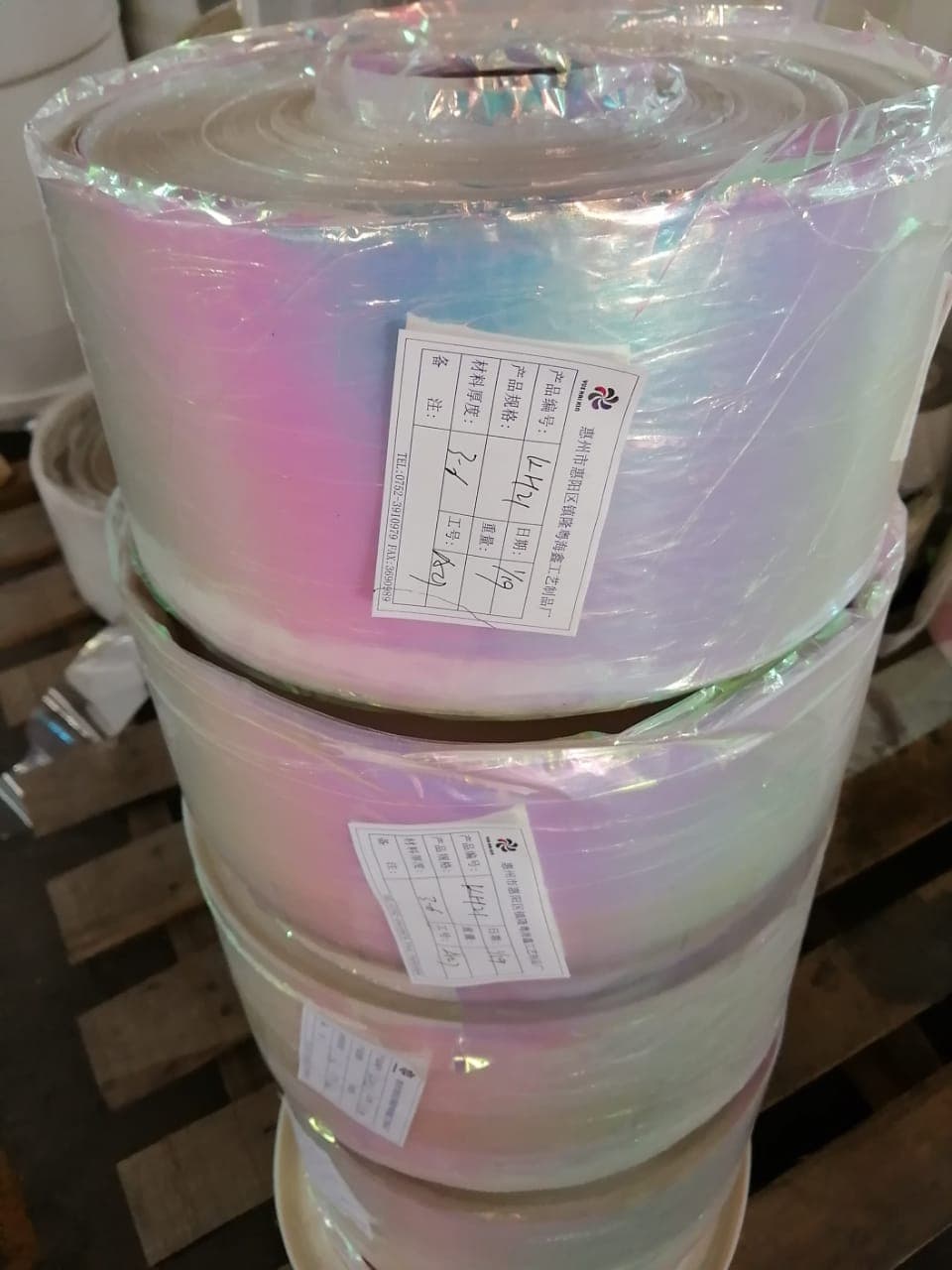
Whether formulating eyeshadow palettes, lip glosses, nail polishes, or compounding industrial epoxy resin, start with our 1kg low trial MOQ or complimentary 50g qualification sample with complete TDS and batch COA.