MLM Cosmetic (Beautychain) · Global Bulk Glitter Manufacturer · MOQ 25kg · ISO 22716
Home/Insights/Chameleon Mica vs. Holographic Glitter: Optical Differences Explained
Material ScienceBy MLM Technical Team

Chameleon Mica vs. Holographic Glitter: Optical Differences Explained

Understand the physics behind optical interference in Chameleon Mica Powders versus light diffraction in Holographic Glitters.
Chameleon Mica vs. Holographic Glitter: Optical Differences Explained

Two Distinct Paths to Color Shifting

Formulators often confuse the color-shifting properties of Chameleon Mica with the rainbow dispersion of Holographic Glitter. While both create dynamic visual effects, the underlying physics—and therefore their formulation requirements—are completely different.

Holographic Glitter (Diffraction)

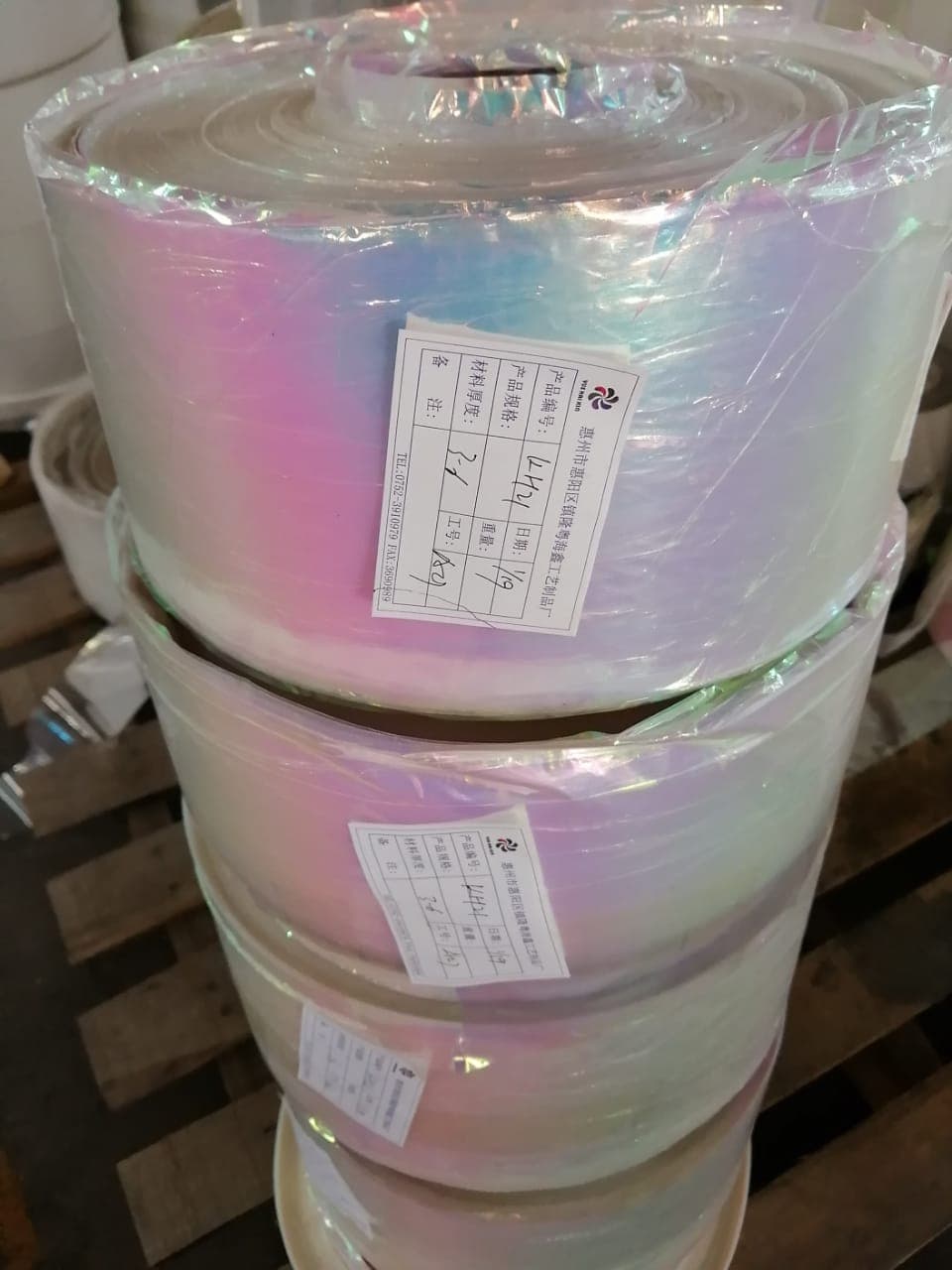
Holographic glitter is created by micro-embossing a diffraction grating onto a metallized PET film. When white light hits these microscopic grooves, it is physically split into its component colors (the rainbow spectrum), much like a prism. The effect is highly dependent on a direct, strong light source (like the sun or a camera flash). Because it relies on a physical grating, the effect can be destroyed if a solvent melts the surface.

Chameleon Mica Powder (Optical Interference)

Chameleon powders rely on thin-film optical interference. By coating a base substrate (like natural mica or synthetic fluorphlogopite) with highly precise, alternating layers of Titanium Dioxide and Silica, we dictate exactly which wavelengths of light are reflected and which are absorbed. As the viewing angle changes, the optical path length through these layers changes, causing the perceived color to shift dramatically (e.g., from Purple to Teal to Gold).

Formulation Considerations

Chameleon micas perform best over a dark base (which absorbs transmitted light, allowing the reflected interference color to pop). They are incredibly heat resistant (up to 800°C) and solvent-proof. Holographic glitters perform well in clear bases but are sensitive to aggressive solvents and high heat (>160°C).

Need Formulation Support?

Our engineering team is ready to assist with custom specs, safety documentation, and bulk sampling. Minimum order quantity starts at 10kg.